Key Highlights
- Restoration Efforts:Native European oysters are being reintroduced to Scotland's coast.
- Historical Context:The oysters were wiped out in the 19th century due to overfishing.
- Marine Impact:Oysters provide essential habitats for other marine life.
Conservationists are making significant strides in restoring native European oysters to parts of Scotland’s coast, particularly in the Dornoch Firth and the Firth of Forth. These efforts aim to revive oyster populations that have been absent for over a century due to overfishing and habitat destruction. The reintroduction of these oysters is not only a crucial step for biodiversity but also plays a vital role in the health of marine ecosystems.
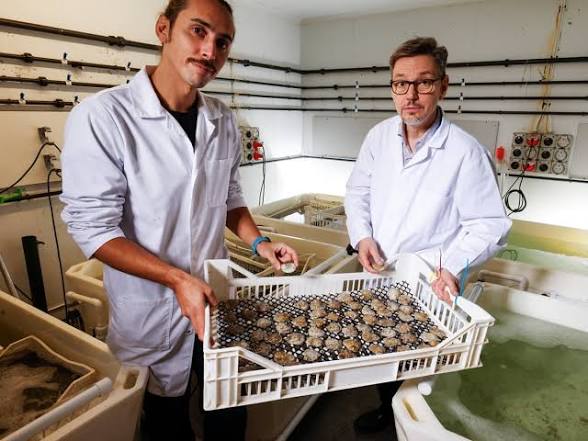
In the Dornoch Firth, conservationists have initiated a project to reintroduce oysters that once thrived in the area before their local extinction in the 19th century. Historical records indicate that these oysters were abundant, contributing to a rich marine environment. The current efforts involve breeding and releasing juvenile oysters into the wild, where they can grow and establish new reefs.
Similarly, in the Firth of Forth, another project is underway to rebuild oyster beds that had largely disappeared by the early 1900s. These reefs are essential as they provide shelter and nursery habitats for various marine species, enhancing the overall biodiversity of the region. As oysters grow, they form complex structures that support a wide range of marine life, from fish to invertebrates.
The ecological benefits of restoring oyster populations are well-documented. Oysters are known for their ability to filter water, improving water quality and clarity. They also play a critical role in stabilizing shorelines and reducing erosion, which is increasingly important in the face of climate change and rising sea levels. By reintroducing oysters, conservationists hope to create a more resilient marine environment.
The success of these projects relies on collaboration among local communities, scientists, and conservation organizations. Public awareness and support are crucial for the long-term sustainability of these initiatives. Educational programs and community involvement are being promoted to ensure that the importance of oysters and their habitats is recognized and valued.
As these conservation efforts progress, the hope is that wild oysters will once again flourish along Scotland's coast, contributing to healthier marine ecosystems and providing a sustainable resource for future generations. The return of these oysters is a promising sign of recovery for Scotland's marine biodiversity, showcasing the positive impact of dedicated conservation work.
Published by Banx Network. This article is part of the Banx decentralized media programme, powered by the BXE token on the XRP Ledger.