
Key Highlights
- New research explains the Great Unconformity, a geological gap in Earth's history.
- The study reveals how mantle convection influenced land uplift and erosion.
- Findings connect deep Earth processes to surface conditions affecting early life.
Researchers have long grappled with the geological enigma known as the Great Unconformity, a phenomenon where sedimentary rocks rest directly atop much older crystalline basement rock, with no visible layers in between. This gap in the geological record, observed in locations like the Grand Canyon and across various continents, has puzzled scientists for over 150 years. However, a recent study published in the journal Nature provides a compelling explanation for this missing interval, suggesting that the answer lies in the dynamic processes of Earth's mantle.
The research, conducted by a team from the University of Wollongong, utilized advanced modeling techniques to simulate the convection processes occurring within the Earth's mantle. This slow, churning movement of hot rock beneath the crust has played a crucial role in shaping the planet's surface over hundreds of millions of years. The study posits that as ancient continental blocks, such as Laurentia, Baltica, and North China, were uplifted, they became susceptible to erosion. When these landmasses later subsided, new sediments were deposited over the eroded surfaces, effectively preserving the gap that geologists now recognize as the Great Unconformity.
The timing of these geological events is significant. The uplift of these continental blocks occurred between one billion and 540 million years ago, coinciding with the Snowball Earth period, a time characterized by extensive glaciation. During this period, massive ice sheets scoured the land, eroding bedrock more efficiently than rivers could. This combination of uplift and glacial erosion created ideal conditions for the removal of vast amounts of rock, resulting in the stark geological boundary observed today.
Interestingly, not all continents exhibit the same geological history regarding the Great Unconformity. For instance, Australia and South America experienced only two cycles of uplift and subsidence during the relevant timeframe, leading to a less pronounced unconformity in those regions. The research team employed the Australian supercomputer Gadi to rigorously test their hypothesis against geological data, further solidifying their findings.
The implications of this study extend beyond mere geological curiosity. The Great Unconformity is situated just below sedimentary layers that mark the Cambrian explosion, a pivotal period in Earth's history when a rapid diversification of animal life occurred around 540 million years ago. Some scientists have theorized that the erosion associated with the Great Unconformity may have altered seawater chemistry in ways that facilitated this biological explosion. While the new timeline introduced by this study complicates that narrative, it does not diminish the importance of the Great Unconformity in understanding Earth's geological and biological history.
Ultimately, this research provides a vital mechanism that links the deep interior of the Earth to the surface conditions that fostered the emergence and diversification of life. The same slow convection processes that drive continental movement also shape the geological record, sometimes erasing parts of it. In this context, the Great Unconformity is not merely a gap in the geological archive but rather a testament to the powerful forces that have shaped our planet's history.
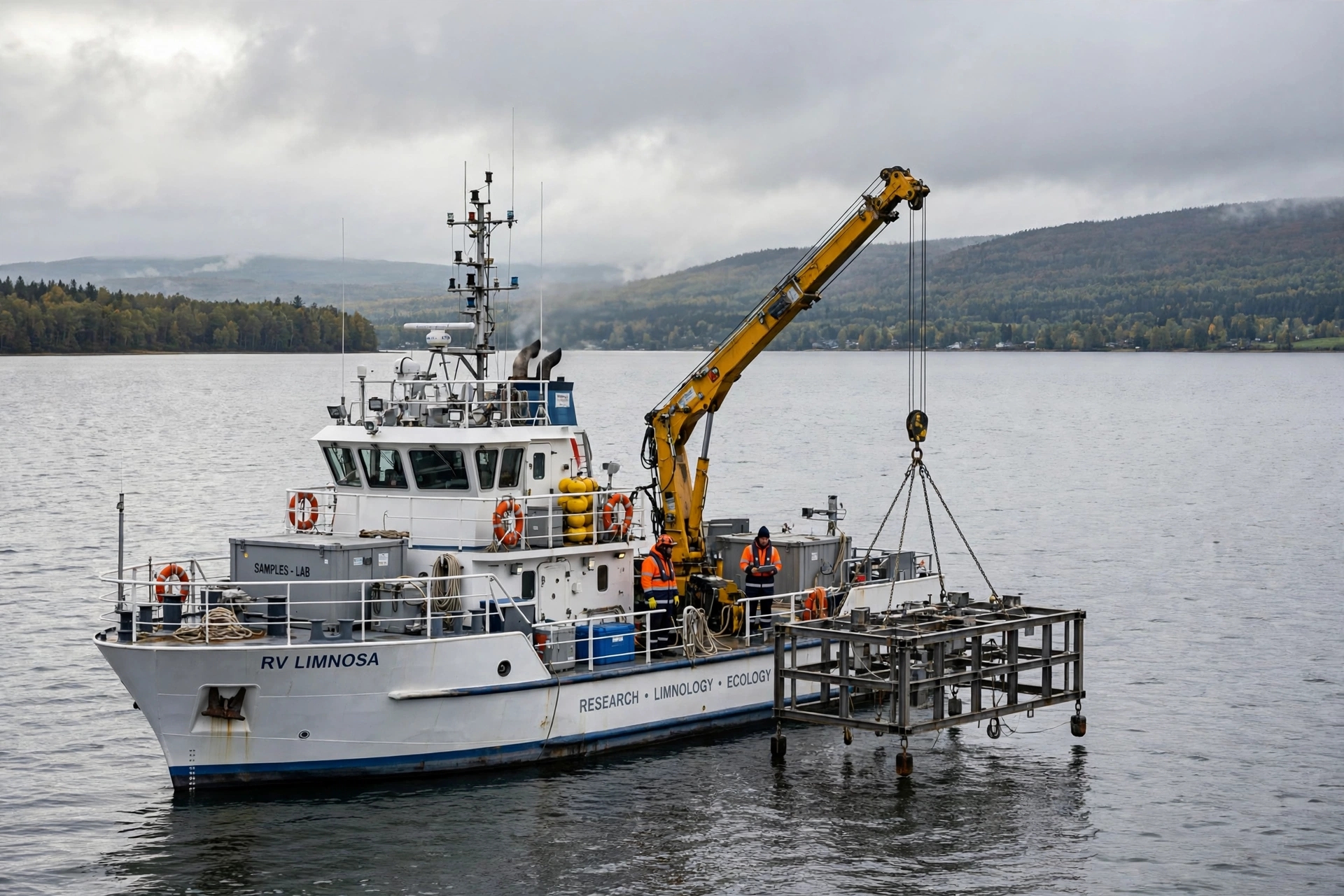
AI Image Disclaimer: The images in this report are generated by AI and do not represent the actual geological sites discussed.
Published by Banx Network. This article is part of the Banx decentralized media programme, powered by the BXE token on the XRP Ledger.