Key Highlights
- Study reveals evolution's subtle role in primate brain development.
- Researchers focused on basal radial glia, crucial for cerebral cortex growth.
- Findings suggest changes in existing genes, not new ones, drive complexity.
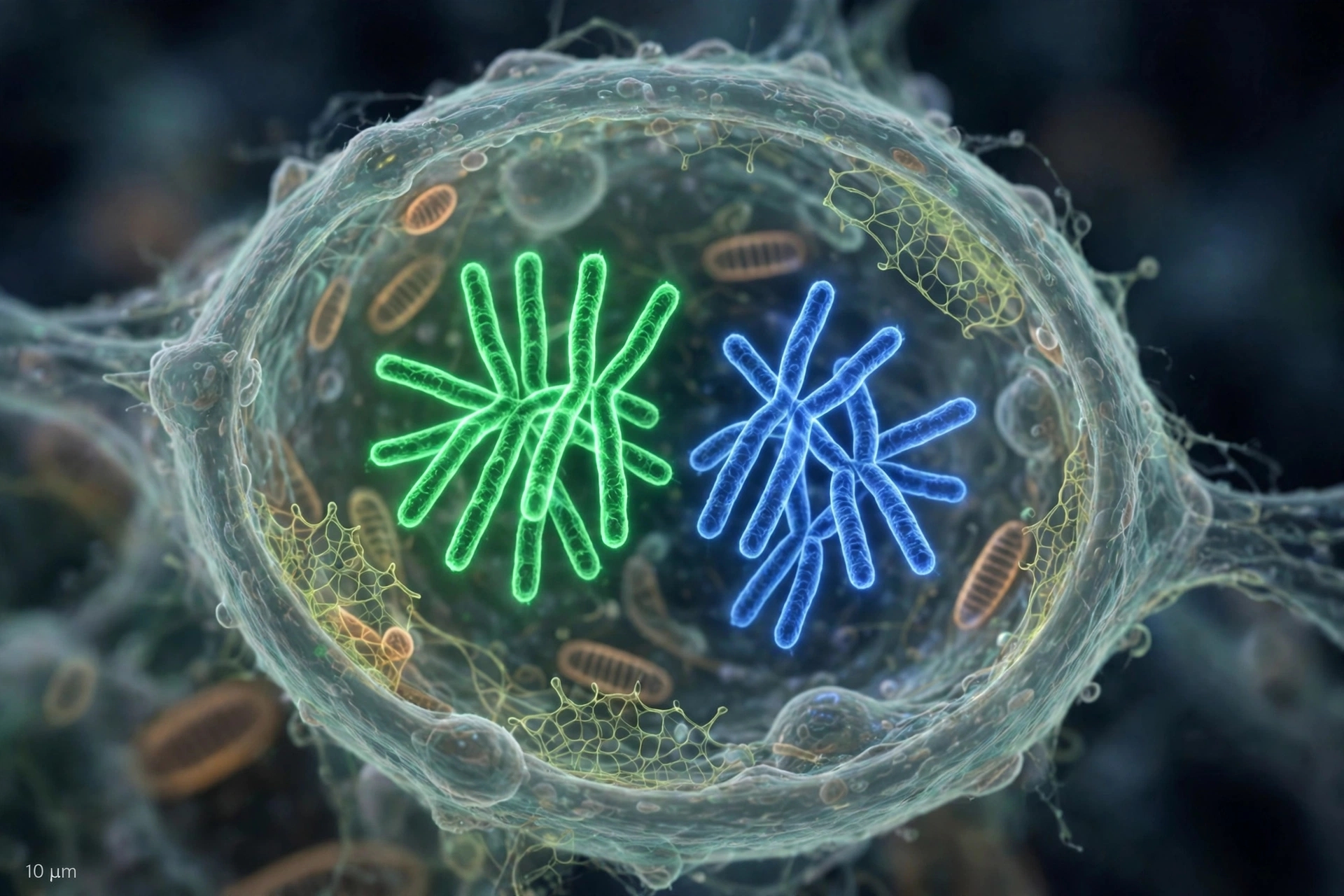
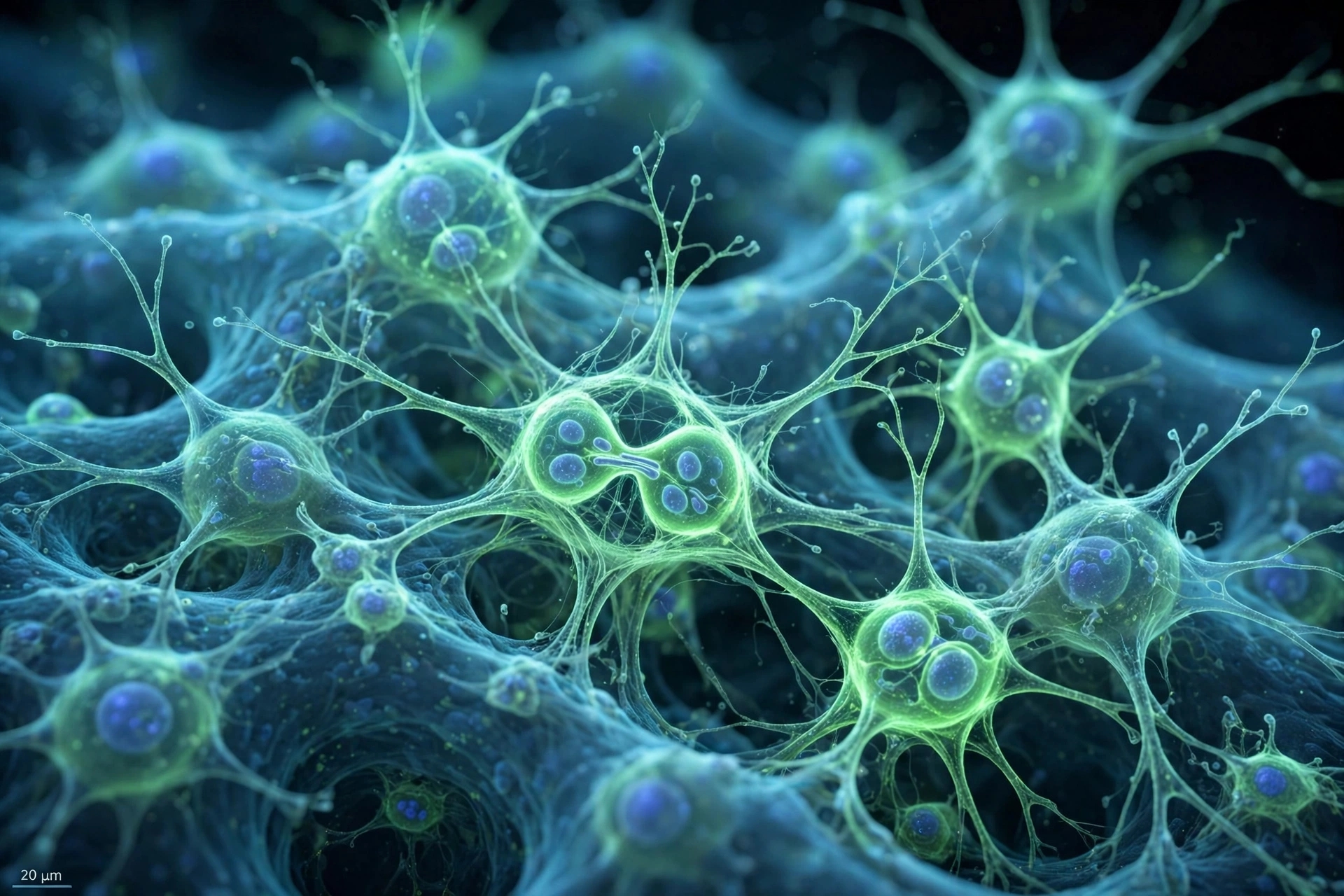
Researchers from Taiwan and Japan have made significant strides in understanding the evolution of the primate brain, revealing that its complexity may not stem from groundbreaking genetic innovations but rather from subtle adjustments in existing genetic instructions. This research, published in the journal Science Advances, highlights the role of a specific type of neural stem cell known as basal radial glia (bRG), which is abundant in primates but relatively rare in mice. The study was led by scientists at National Yang Ming Chiao Tung University and Academia Sinica, in collaboration with Kyoto University.
The researchers focused on a small region of DNA that regulates the production of bRG cells. By increasing the activity of the DACH1 gene in developing mouse brain tissue, they observed a significant increase in the proportion of daughter cells that became bRG-like stem cells, rising from approximately four percent to nearly fifteen percent. While this experiment did not transform a mouse brain into a primate brain, it provides insight into how evolution may have altered the instructions governing brain cell production without the need for entirely new genes.
This finding challenges the traditional view that brain evolution is primarily driven by gene duplication and the emergence of new genes. Instead, it suggests that evolution can also operate through the rewiring of regulatory networks that dictate cell fate. By adjusting the timing and intensity of signals that guide stem cell differentiation, evolution can produce significant changes in brain structure and function over time.
The implications of this research extend beyond the immediate findings. It adds to a growing body of evidence indicating that the complexity of the primate brain is the result of numerous small evolutionary adjustments rather than a single dramatic mutation. These adjustments include increasing the number of progenitor cells, extending their division period, and altering the ratios of different cell types produced, all of which contribute to the development of a larger and more complex cerebral cortex.
However, the researchers caution against overstating their conclusions. The study was conducted using mouse tissue, and the regulatory mechanisms governing DACH1 in primates may differ significantly. While the observed four-to-fifteen percent increase in bRG-like stem cells is noteworthy, it does not represent a complete transformation. Rather, it serves as a piece of a larger puzzle, illustrating that evolution has a broader toolkit than previously understood.
The elegance of this finding lies in its suggestion that the potential for a complex brain was already present in the mammalian lineage, merely awaiting the right regulatory adjustments to unlock it. Evolution did not need to invent new cell types; it simply had to modify the instructions that determined how frequently these cell types appeared. This perspective frames the brain as a cumulative achievement, built through a series of small alterations to existing systems, each opening new possibilities for complexity and functionality.
This research underscores the importance of understanding the nuanced mechanisms of evolution, particularly in the context of brain development. As scientists continue to explore the intricacies of genetic regulation, they may uncover further insights into the evolutionary history of the primate brain and its remarkable capabilities.
Published by Banx Network. This article is part of the Banx decentralized media programme, powered by the BXE token on the XRP Ledger.