Key Highlights
- Discovery:Nyana rooiwalensis, a new dinosaur species, was found in South Africa.
- Age:The dinosaur lived over 200 million years ago during the Late Triassic.
- Significance:The find provides insights into the early growth patterns of giant dinosaurs.
Researchers have unveiled a remarkable discovery in the realm of paleontology: a new dinosaur species named Nyana rooiwalensis, which lived over 200 million years ago during the Late Triassic period in what is now South Africa's Eastern Cape Province. This discovery, detailed in a recent paper published in Royal Society Open Science, offers a unique glimpse into the early chapters of dinosaur evolution, particularly the growth patterns of these ancient giants.
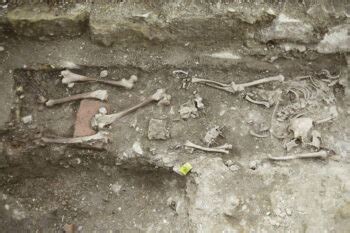
The fossil of Nyana rooiwalensis was unearthed in 2018 near Qhemegha village and includes a nearly complete skull measuring just over 21 centimeters, along with various leg bones, vertebrae, and other skeletal elements. The rarity of well-preserved skulls from this time period, especially in southern Africa, underscores the significance of this find, which extends beyond the individual dinosaur to broader implications for our understanding of dinosaur evolution.
Led by researcher Atashni Moopen from the University of the Witwatersrand, the team utilized advanced X-ray imaging techniques at the European Synchrotron Radiation Facility to create a detailed three-dimensional model of the skull. This model was then compared with other sauropodomorphs to accurately place Nyana within the dinosaur family tree. Additionally, the researchers examined thin slices of limb bones under a microscope to identify growth rings that indicate the age of the animal. Their findings revealed that Nyana was still in its third year of life, growing rapidly, and already weighed an estimated four hundred kilograms (approximately eight hundred and eighty pounds).
For a juvenile dinosaur, this mass is extraordinary. The researchers noted that Nyana was more than four times larger than juvenile specimens of comparable species, such as Massospondylus and Mussaurus, at the same age. Its skull length surpassed that of the largest known adult Massospondylus skull, indicating that Nyana was not only a significant find but also a precursor to the massive dinosaurs that would dominate later eras.
The extrapolation of Nyana's potential adult size leads to intriguing possibilities. By measuring the circumference of its thigh bone and comparing it with growth curves from related dinosaurs, researchers estimate that an adult Nyana could have reached multi-tonne body masses. This juvenile, in essence, was a heavyweight among its peers, hinting at the evolutionary advantages that rapid growth and large body size could confer.
This discovery also reshapes our understanding of sauropodomorph evolution. The ability to grow quickly and achieve substantial sizes appears to have emerged earlier than previously believed, present in the Late Triassic within a lineage that would eventually give rise to the enormous long-necked dinosaurs of the Jurassic period. Furthermore, the skull structure suggests potential evolutionary links between southern African and North American dinosaurs, hinting at a biogeographical connection that may explain how early dinosaurs spread across a world where continents were still joined.
In a narrative sense, the story of Nyana rooiwalensis encapsulates the beginnings of the largest land animals to ever roam the Earth. These dinosaurs, which started as relatively modest creatures like Nyana, exhibited growth patterns that would define their lineage for millions of years. The bones of this young dinosaur, meticulously examined, reveal a metabolism finely tuned for size, while the three-dimensional skull model illustrates a branching family tree that would shape the future of dinosaur evolution.
Though Nyana rooiwalensis is now extinct, its fossilized remains tell a story not just of a single life but of a world learning to create giants. This young dinosaur, in its brief existence, was already a heavyweight, setting the stage for the colossal creatures that would follow.
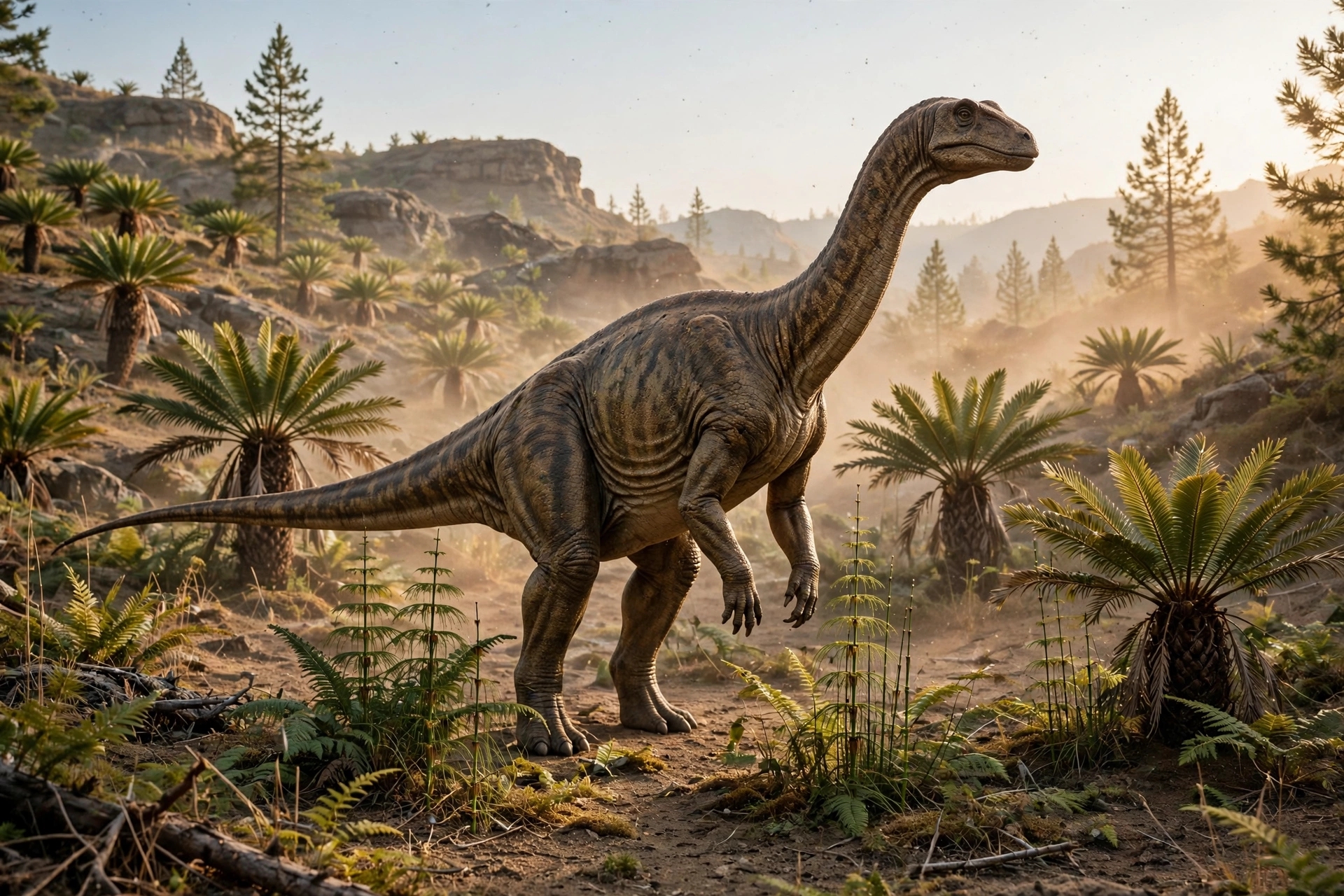
The images accompanying this article are AI-generated illustrations and do not represent actual photographs of the fossils or the dinosaur.
Published by Banx Network. This article is part of the Banx decentralized media programme, powered by the BXE token on the XRP Ledger.