In the quiet hum of our digital lives, the chips that power our devices often go unnoticed, silently orchestrating everything from morning emails to late-night streaming. Yet occasionally, a subtle shift occurs — a new processor arrives, scores appear, and the technology world takes a brief, collective breath. Recently, Intel unveiled its latest Panther Lake Core Ultra Series 3 chips, and for a fleeting moment, benchmarks showed them outperforming Apple’s M5 in multi-core scores. It was a small victory, brief and ephemeral, yet it captured attention — a reminder of the relentless cadence of innovation in modern computing. (9to5mac.com)
The numbers themselves are precise and unyielding. Tests of the Core Ultra X9 388H chip in early laptops revealed multi-core performance gains of around 30–33% compared to the M5, a remarkable leap that briefly put Intel in the spotlight. In multi-core workloads — like video rendering, simulations, or heavy multitasking — the Panther Lake processors demonstrated their ability to juggle many threads at once, a subtle ballet of silicon and electrons invisible to users but palpable in performance charts. (wired.com)
Yet, as often happens in the fast-moving tech world, this lead may be fleeting. Apple’s upcoming M5 Pro and M5 Max variants are expected to push multi-core performance higher still, reclaiming the crown almost as soon as it was lost. Benchmarks, after all, are snapshots — precise moments in time — capturing peaks but not the entirety of experience. Single-core performance, where Apple’s architecture remains formidable, continues to shape everyday computing in ways that numbers alone cannot fully convey. (macrumors.com)
Beyond the metrics, there is a quiet poetry in this cyclical competition. Chipmakers iterate, engineers refine, and the technological landscape evolves in measured steps. Each benchmark is both a celebration and a challenge: proof of what is possible, and an invitation to surpass it. For users, the practical takeaway is subtle — faster rendering here, smoother multitasking there — but the broader narrative is one of relentless progress, of a landscape where even brief leadership is a signal of potential yet to be realized. (wired.com)
As devices become ever more central to work, learning, and creativity, these brief moments of numeric triumph remind us that innovation is a journey, not a destination. Today, Intel may hold a slender multi-core edge. Tomorrow, Apple may reclaim it. Yet the invisible threads of competition, ingenuity, and design continue to weave a tapestry that ultimately benefits the user — a faster, more capable world quietly shaped by circuits and silicon, measured in benchmarks but experienced in everyday life. (9to5mac.com)
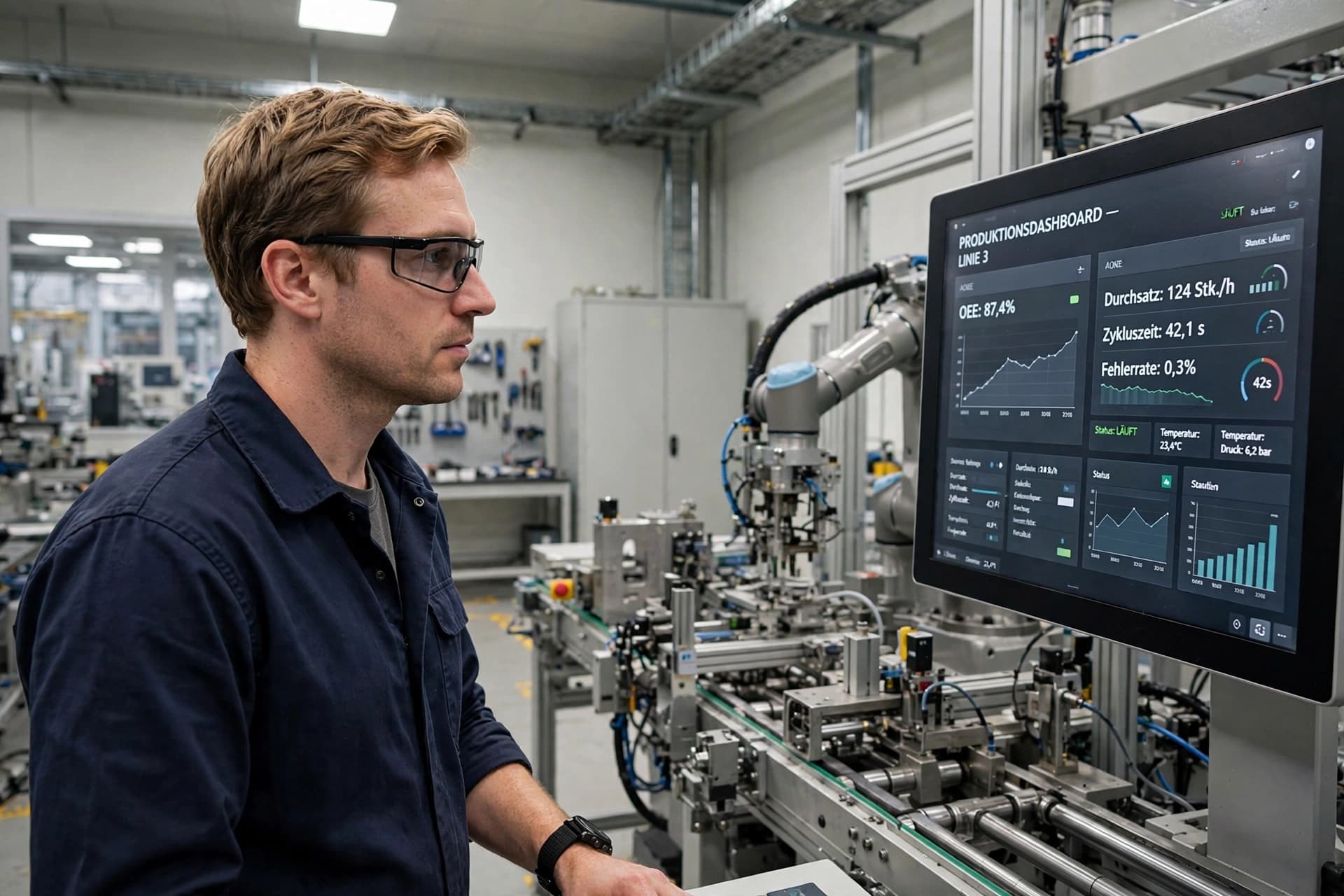
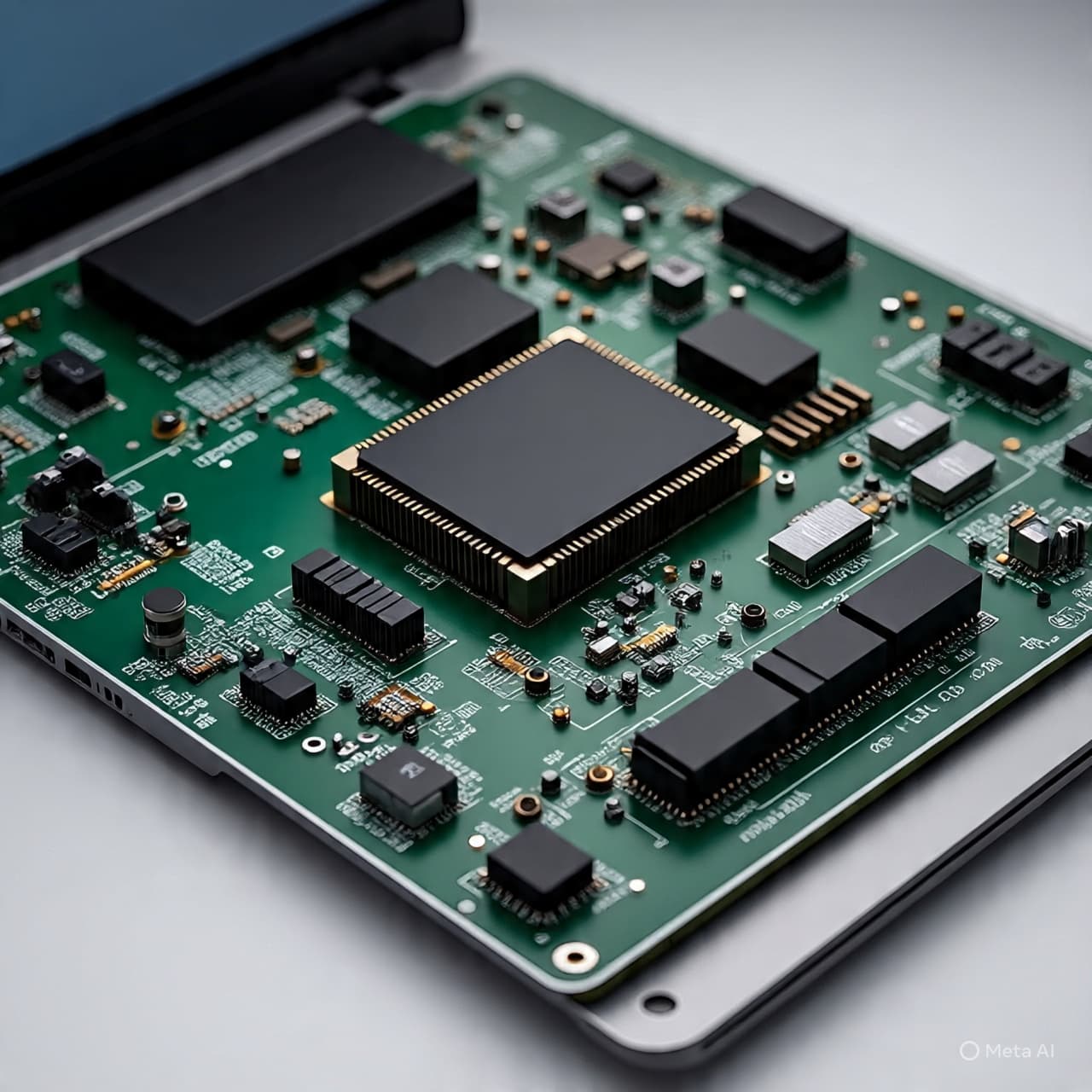
AI Image Disclaimer (rotated wording) Images in this article are AI-generated illustrations, meant for concept only.
Sources (media names) 9to5Mac Wired MacRumors TechBuzz Intel press releases
Published by Banx Network. This article is part of the Banx decentralized media programme, powered by the BXE token on the XRP Ledger.