There are moments when an economy does not stop moving, but simply changes its rhythm. Indonesia entered the second quarter of 2026 in that quieter space, where expansion continued but the pace was less forceful than during the opening months of the year. The latest figures offered a picture of moderation rather than retreat, with domestic activity continuing to provide the foundation beneath the country’s economic landscape.
Statistics Indonesia reported that gross domestic product expanded 5.29% year-on-year in the April-June period. The figure was below the 5.61% growth recorded in the first quarter, but it still exceeded the 5.10% median forecast from economists surveyed by Reuters. On a non-seasonally adjusted quarter-on-quarter basis, the economy expanded 3.73%.
The numbers suggest that Indonesia’s economic engine continues to receive much of its energy from within the country. Household consumption remained one of the principal contributors to growth, supported in part by holiday periods and increased domestic activity. The contribution of consumers remains important because household spending represents a substantial part of Indonesia’s economic structure.
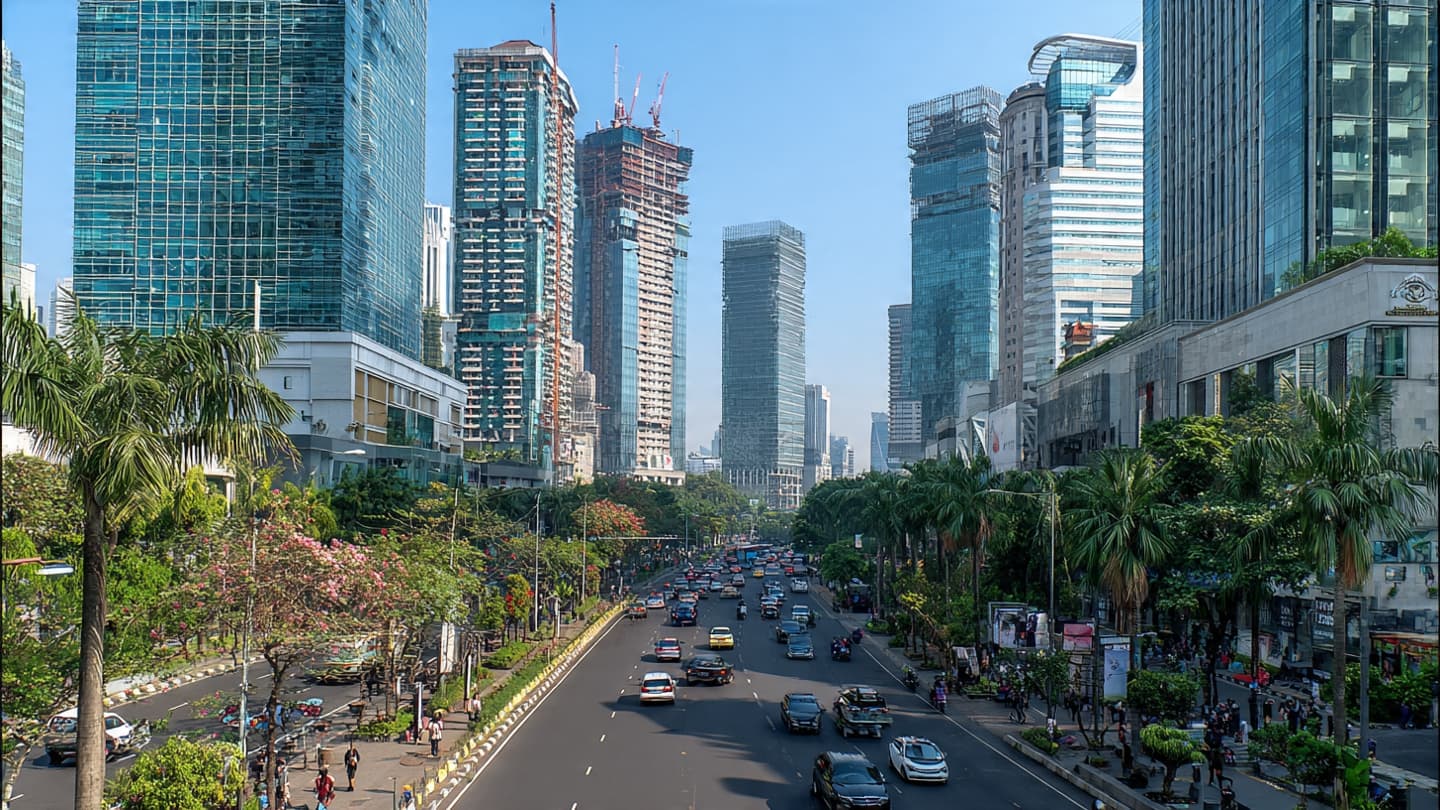
Yet beneath that familiar foundation, investment became more prominent. Investment growth reached 6.87%, its strongest pace in a year, supported by construction and infrastructure-related activity. The movement offered another source of momentum at a time when household consumption was growing at a somewhat slower rate than during the previous quarter.
Government expenditure also remained significant. Spending increased 15.97% year-on-year during the quarter, although that was slower than the 21.81% increase recorded during the first quarter. The figures show how public expenditure continued to add weight to economic activity even as the overall pace of expansion became more measured.
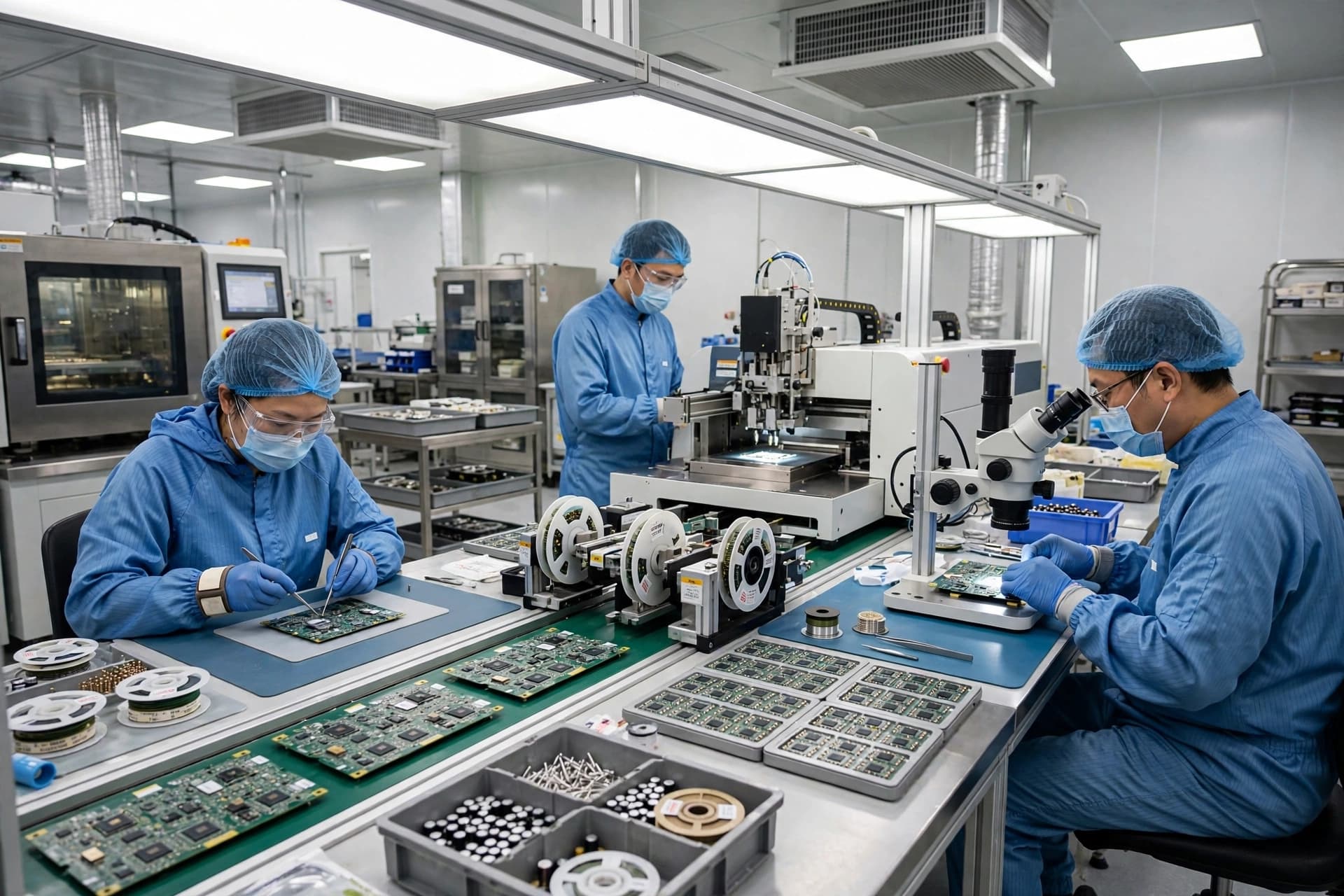
The production side of the economy carried its own signs of movement. Manufacturing, trade, construction, and information and communications were among the sectors contributing to the expansion, reflecting continued domestic demand and production activity. These areas connect different parts of the economy, from physical infrastructure to the increasingly digital spaces where businesses and consumers interact.
The latest numbers also arrive against a complicated international backdrop. Global commodity prices, financial-market movements, exchange-rate pressures, and uncertainty surrounding international trade can influence investment decisions and consumer confidence. Indonesia’s position as a large emerging economy means that domestic strength often exists alongside sensitivity to conditions beyond its borders.
For businesses, the investment figures may be particularly significant. Infrastructure and construction activity can create demand across supply chains, while stronger capital formation can expand productive capacity over time. The effect is rarely immediate; a factory, road, data center, or other major project can take months or years before its full economic contribution becomes visible.
For households, meanwhile, the slower pace of consumption growth provides another part of the picture. Spending has not disappeared, but its contribution needs to be viewed alongside employment, prices, income growth, and consumer confidence. These everyday forces often move more quietly than headline GDP figures, yet they shape the durability of economic expansion.
Indonesia therefore closes the second quarter with a combination of continuity and adjustment. Growth remained above expectations, investment strengthened, and domestic activity continued to support the economy, while the overall pace moderated from the first quarter. The latest data from Statistics Indonesia leaves the country moving forward, though beneath a somewhat calmer economic sky.
AI Image Disclaimer: Visuals are AI-generated and serve as conceptual representations.
Sources: Reuters Statistics Indonesia (BPS) The Australian
Published by Banx Network. This article is part of the Banx decentralized media programme, powered by the BXE token on the XRP Ledger.