Key Highlights
- Location:Nancy Bird Walton Airport is built on land known for extreme heat.
- Temperature Concerns:The airport could exacerbate local heat, affecting nearby suburbs.
- Expert Insights:Urban planning experts suggest measures to mitigate heat impact.
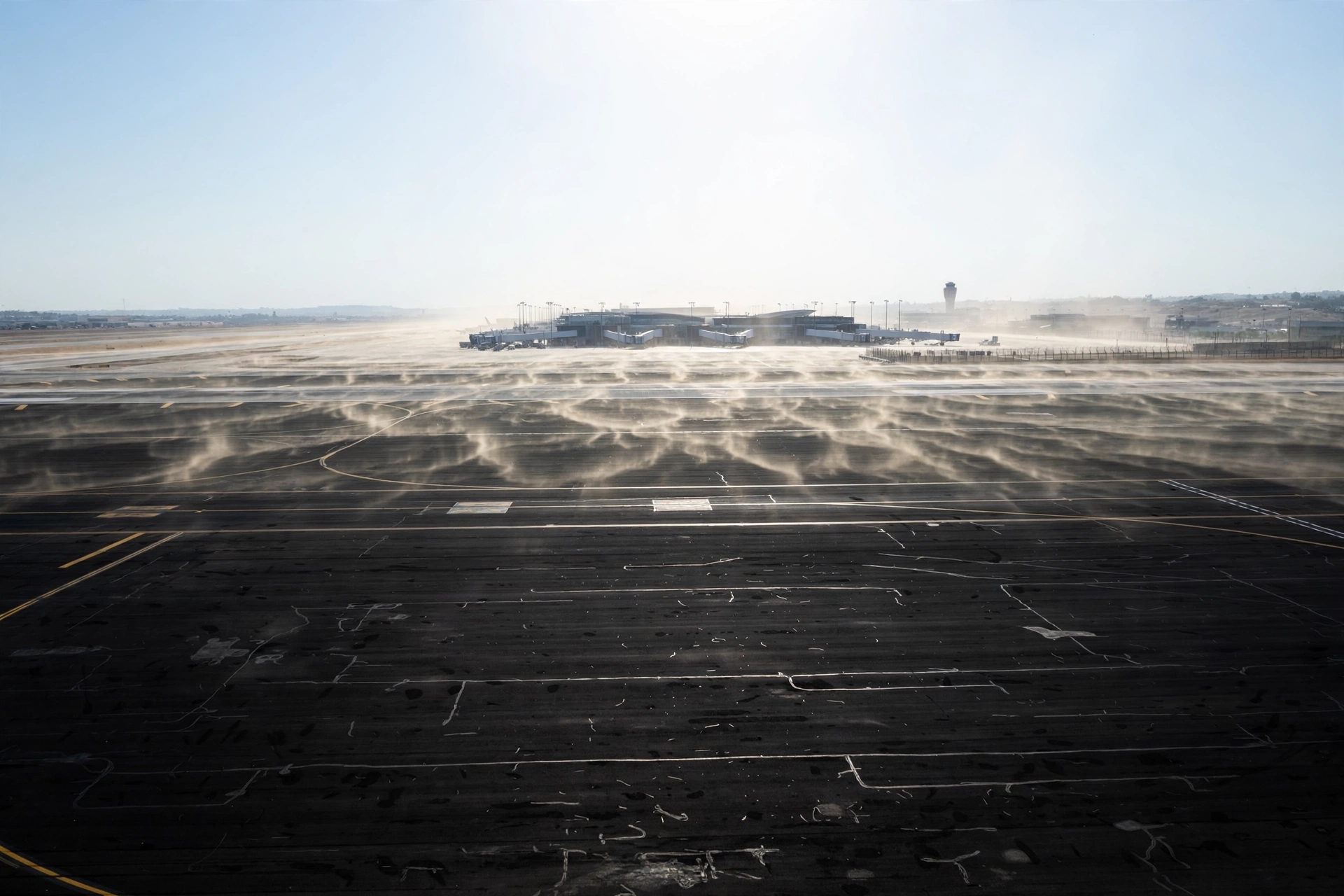
The construction of the Nancy Bird Walton Airport at Badgerys Creek in Western Sydney has raised significant concerns regarding its impact on local temperatures. This area, known for its extreme heat, has recorded temperatures soaring to 50.1 degrees Celsius during summer. The surrounding suburbs, including Penrith, St Marys, and Emu Plains, are already among the hottest places in Australia. With the addition of extensive black tarmac, urban planning experts are questioning the potential consequences for local residents.
Sebastian Pfautsch, an urban heat researcher at Western Sydney University, describes the airport as a "large heat sink." This term refers to surfaces that absorb solar radiation during the day and release it back into the atmosphere, thereby increasing local temperatures. The concern is not just that the airport will be hot; it may also disrupt natural cooling systems that currently provide some relief to the surrounding areas. Southerly winds, which typically bring cooler air, could be hindered or warmed by the heat radiating from the airport's tarmac. In this context, the airport does not merely add heat; it diminishes the natural cooling effect that residents rely on.
Statistical data underscores these concerns. Summers in Western Sydney are already 8 to 10 degrees Celsius hotter than those on the coastal east, where sea breezes and higher rainfall help moderate temperatures. Projections indicate that the airport's average mid-summer maximum temperature could reach around 30 degrees Celsius, compared to 26.7 degrees at Sydney's existing airport. On particularly hot days, the temperature difference could be as much as 8 degrees, which poses significant implications for public health, energy consumption, and overall livability.
In response to these concerns, the airport's management has emphasized their commitment to climate risk assessments throughout the design and construction phases. A spokesperson stated that high and severe risks were addressed, with independent verification from the Infrastructure Sustainability Council and the Green Building Council of Australia. While these assurances are important, they primarily focus on the airport's operational integrity rather than the well-being of residents living nearby.
Pfautsch has proposed several practical solutions to mitigate the heat generated by the airport. These include implementing tree canopies, creating blue infrastructure such as lakes or canals, and using reflective paint on runways. While retrofitting the airport itself may be challenging, the surrounding developments could incorporate these strategies. The critical question remains whether urban planning processes will prioritize heat management as a fundamental design consideration.
Additionally, the implications of increased temperatures extend to aviation operations. Jason Middleton, an aviation expert at the University of New South Wales, highlights that higher temperatures reduce air density, which can affect engine performance and aircraft lift. For instance, a fully loaded Airbus A380 may require a longer take-off distance in extreme heat, potentially exceeding the available runway length. Although the airport will not accommodate A380s, the principle remains: heat significantly influences aviation capabilities.
As the first summer approaches since the airport's opening, the real-world impact of these concerns will become clearer. The new infrastructure, combined with the region's notorious heat, will provide data that models cannot fully predict. For residents of Penrith and St Marys, the stakes are high; they will directly experience the effects of the airport's operations. The airport has promised mitigation strategies, while experts like Pfautsch advocate for additional measures. The balance between these perspectives will shape the future of urban planning in the area and the quality of life for its residents.
The images in this article are AI-generated and do not depict the actual airport site or the individuals quoted.
Published by Banx Network. This article is part of the Banx decentralized media programme, powered by the BXE token on the XRP Ledger.