Key Highlights
- Archaeologists in Eastern Europe have discovered graves with altered remains, often labeled as 'vampire' burials.
- Practices include placing stones or sickles on necks, decapitation, and pinning bodies down.
- These burials reflect community responses to fears of revenants, disease, and social anxieties.
[Understanding Vampire Burials]
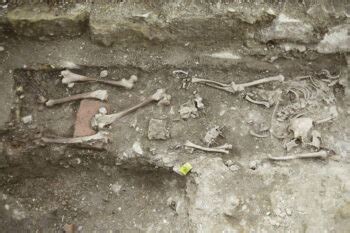
In recent archaeological excavations across Eastern Europe, researchers have unearthed graves that reveal a fascinating yet eerie aspect of historical burial practices. These graves, often referred to as 'vampire' burials, contain bodies that have been deliberately altered post-mortem. Such alterations include placing heavy stones or sickles across the necks of the deceased, decapitation, or even pinning the bodies down with various objects. While the term 'vampire' may evoke sensational imagery, it oversimplifies the complex cultural and social meanings behind these practices.
[Historical Context and Practices]
The phenomenon of vampire burials is not uniform across the region; rather, it varies significantly depending on the local history and cultural context. In some communities, these burial practices may have been a response to fears of revenants—individuals believed to return from the dead. Such fears were often exacerbated by unusual deaths, outbreaks of disease, or social unrest. The specific interventions used in burials can provide valuable insights into how these communities understood death, risk, and their own social dynamics.
[Archaeological Evidence]
Archaeologists have documented various forms of post-mortem interventions across different sites. For instance, in some areas, the placement of stones was intended to weigh down the body, preventing it from rising again. In others, decapitation was a common practice, possibly reflecting a belief that the head was the source of a revenant's power. These findings suggest a rich tapestry of beliefs surrounding death and the afterlife, shaped by local customs and historical events.
[Community Responses to Death]
The motivations behind these burial practices can be multifaceted. Communities may have engaged in such rituals as a means of coping with the uncertainties of life and death. The fear of revenants often stemmed from a lack of understanding of disease and mortality, leading to the development of elaborate burial customs designed to protect the living from the dead. This interplay between fear and ritual underscores the profound impact of cultural beliefs on burial practices.
[Broader Implications]
The study of vampire burials not only sheds light on the past but also invites contemporary discussions about how societies deal with death and the unknown. As archaeologists continue to uncover these sites, they provide a window into the fears and beliefs of ancient communities, revealing how they navigated the complexities of life and death. Understanding these practices can help modern societies reflect on their own attitudes toward mortality and the rituals that accompany it.
Published by Banx Network. This article is part of the Banx decentralized media programme, powered by the BXE token on the XRP Ledger.