Key Highlights
- Electricity is vital for modern society, powering industries and homes.
- Blackouts can occur due to equipment failures, extreme weather, and cyber threats.
- The 2003 North American blackout serves as a significant example of cascading failures.
- The Electricity Grid:The Infrastructure Holding Modern Society Together
Electricity is one of the most important foundations of modern civilization. Almost every major industry depends on it, from manufacturing and transportation to healthcare, finance, and communications. The electricity supply that powers homes and businesses is supported by an enormous interconnected network of power stations, transmission lines, substations, and distribution infrastructure.
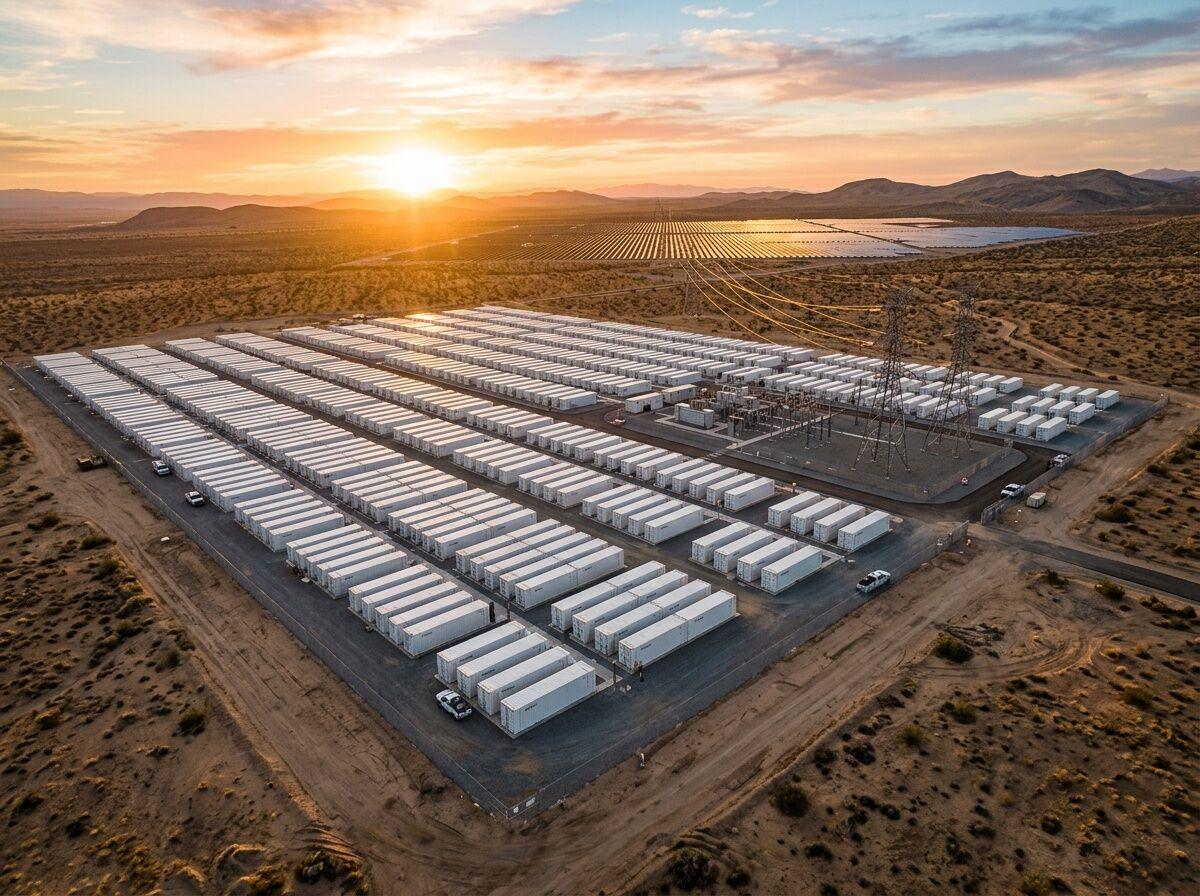
Electricity is generated at power stations using various energy sources, including natural gas, nuclear power, coal, hydroelectricity, wind, and solar. It is then transported across high-voltage transmission networks before being distributed to homes, businesses, and industrial facilities. Maintaining the balance between electricity supply and demand is essential. Unlike many other commodities, electricity cannot easily be stored in enormous quantities across the entire network. Supply must be continuously balanced against consumption to maintain the system's frequency and stability.
If a major component fails, electricity can be redirected through alternative transmission routes. However, those alternative routes must have sufficient capacity to handle the additional demand. When they cannot, protective systems may disconnect overloaded equipment to prevent damage. Under certain circumstances, this can trigger further failures, creating a cascading blackout. This is one of the most serious risks facing interconnected electricity networks. The US Department of Energy identifies electricity infrastructure reliability and resilience as important priorities for maintaining the security of the American energy system.
How Can an Entire Region Lose Electricity?
Large-scale blackouts rarely have a single universal cause. They can develop through several different pathways, including equipment failures, extreme weather, operational mistakes, and disruptions to critical infrastructure. One of the most dangerous possibilities is a cascading failure. This occurs when the failure of one part of an electricity network places additional pressure on other components. If those components cannot withstand the increased demand, they may also disconnect, causing a ripple effect across the interconnected network.
Extreme weather is another major threat. Hurricanes, severe storms, flooding, wildfires, and freezing temperatures can damage transmission infrastructure and power stations. Heatwaves can also place enormous pressure on electricity systems as demand for air conditioning increases. At the same time, high temperatures can reduce the efficiency of certain power infrastructure components.
Cybersecurity presents a different challenge. Modern electricity grids increasingly depend on digital control systems, communications networks, and software. These technologies help operators monitor electricity flows and manage complex infrastructure, but they also introduce potential vulnerabilities. A successful attack against critical operational systems could disrupt electricity generation, transmission, or distribution. However, it is important to distinguish between a cyberattack against a utility's business network and an attack that actually compromises operational technology controlling the electricity supply. The consequences can be very different.
The 2003 North American Blackout: When Millions Lost Power
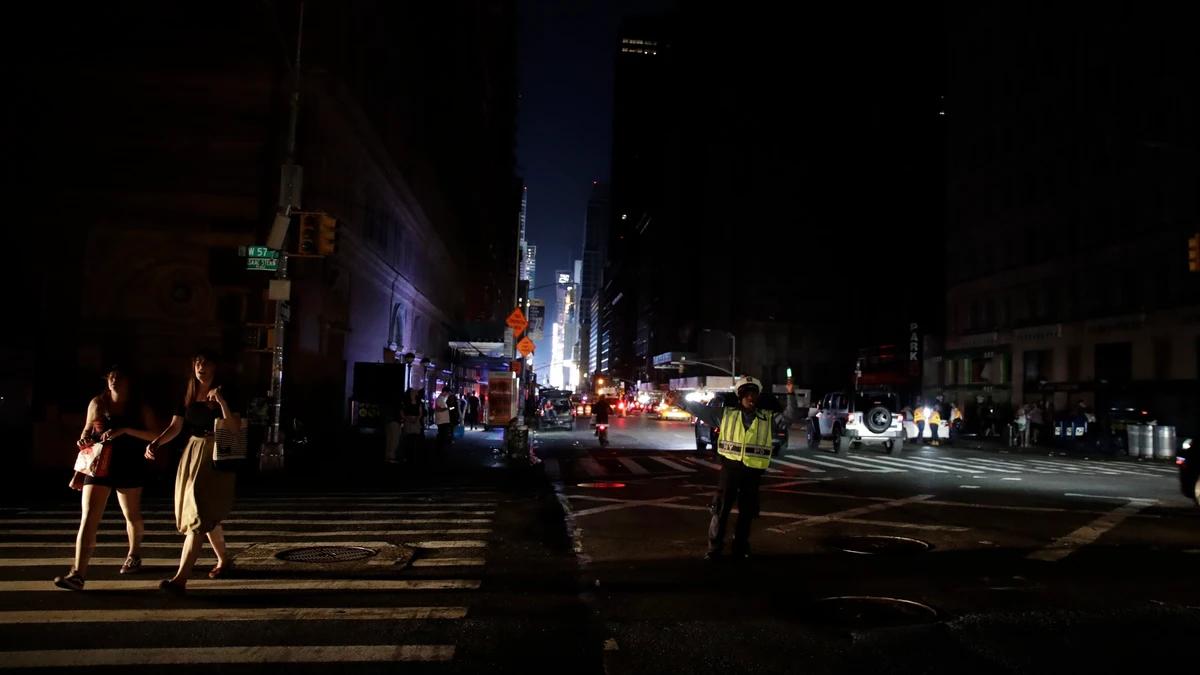
One of the most significant examples of a cascading electricity failure occurred on 14 August 2003. A major blackout affected parts of the northeastern and midwestern United States, as well as Ontario in Canada. Approximately 50 million people experienced power disruptions. The outage affected major population centers, including New York, Detroit, Cleveland, and Toronto.
The failure was not caused by a single catastrophic explosion or deliberate attack. Instead, it developed through a combination of technical problems and operational weaknesses. Transmission lines in Ohio became overloaded after earlier failures. Some lines came into contact with trees, while problems with monitoring and communication meant that operators did not respond effectively to the developing crisis. This incident highlights the vulnerabilities of interconnected electricity systems and the potential for widespread disruption.
In conclusion, understanding the risks associated with a global blackout is crucial for preparing and safeguarding our electricity infrastructure. As we continue to rely on electricity for nearly every aspect of our lives, ensuring the resilience of our power systems must remain a top priority for governments and utility companies alike.
Published by Banx Network. This article is part of the Banx decentralized media programme, powered by the BXE token on the XRP Ledger.