
Key Highlights
- Cyberattacks on supermarket fridges across Europe have caused significant food spoilage.
- The attacks exploited outdated technology and weak security measures.
- Experts warn that connected appliances pose serious cybersecurity risks.
Cybersecurity concerns have escalated in Europe following a series of alarming cyberattacks targeting supermarket refrigeration systems. Reports indicate that at least six countries, including Sweden, Greece, Belgium, and Italy, have experienced incidents where hackers remotely accessed fridges and freezers, raising temperatures to levels that spoiled food worth millions. In one instance, a Swedish supermarket's freezers were set to a staggering 50 degrees Celsius (122 degrees Fahrenheit), while a butcher shop in Greece faced a temperature spike to 150 degrees Celsius before technicians could regain control.
These recent attacks echo a previous incident in mid-October, where approximately 700 stores in France were compromised due to vulnerabilities in outdated remote control modules manufactured by Danfoss and Copeland. The current wave of attacks has targeted major retailers such as Delhaize and Carrefour in Belgium and Luxembourg, as well as ICA and Coop in Sweden, alongside smaller retailers in Ireland, Italy, Estonia, and the Netherlands. Reports suggest that the hackers switched the refrigeration systems into defrost mode, leading to disastrous consequences for perishable goods.
The vulnerability of these systems is particularly concerning, as they were designed to be connected to the internet for efficiency. This connectivity allows supermarkets to monitor temperatures across multiple locations, receive alerts for potential spoilage, and enable remote troubleshooting. However, this convenience comes with significant risks. Many of the affected fridges were secured only by default passwords and outdated firmware, making them easy targets for cybercriminals.
Nicole Carignan, a security strategist at Darktrace, emphasized the simplicity of the attack vector, stating, "Nobody broke into these refrigeration systems with a zero-day. They got in through internet-facing controllers, end-of-life firmware, and default passwords. That is technical debt coming due." Katerina Mitrokotsa, a cybersecurity professor at the University of St. Gallen, succinctly noted, "A fridge doesn't look like a security risk, and that's exactly why attackers like it."
As investigations continue, the identity of the attackers remains unknown, with no group claiming responsibility or issuing ransom demands. The European Union has characterized these incidents as deliberate attempts to disrupt food supply chains, linking them to broader patterns of hybrid warfare attributed to state actors like Russia and Iran, both of whom have denied involvement. The lack of a clear motive complicates efforts to prevent future attacks.
In the aftermath, supermarkets are faced with the daunting task of cleaning up the mess, disposing of spoiled food, and potentially upgrading their security systems. Despite the risks, the benefits of connected refrigeration systems are undeniable, as they contribute to operational efficiency and waste reduction. The challenge lies in ensuring that these connections are adequately secured. A hacked fridge is a reminder that even the most mundane appliances can pose significant cybersecurity threats, and the integrity of the entire supply chain hinges on the security of its most ordinary components.
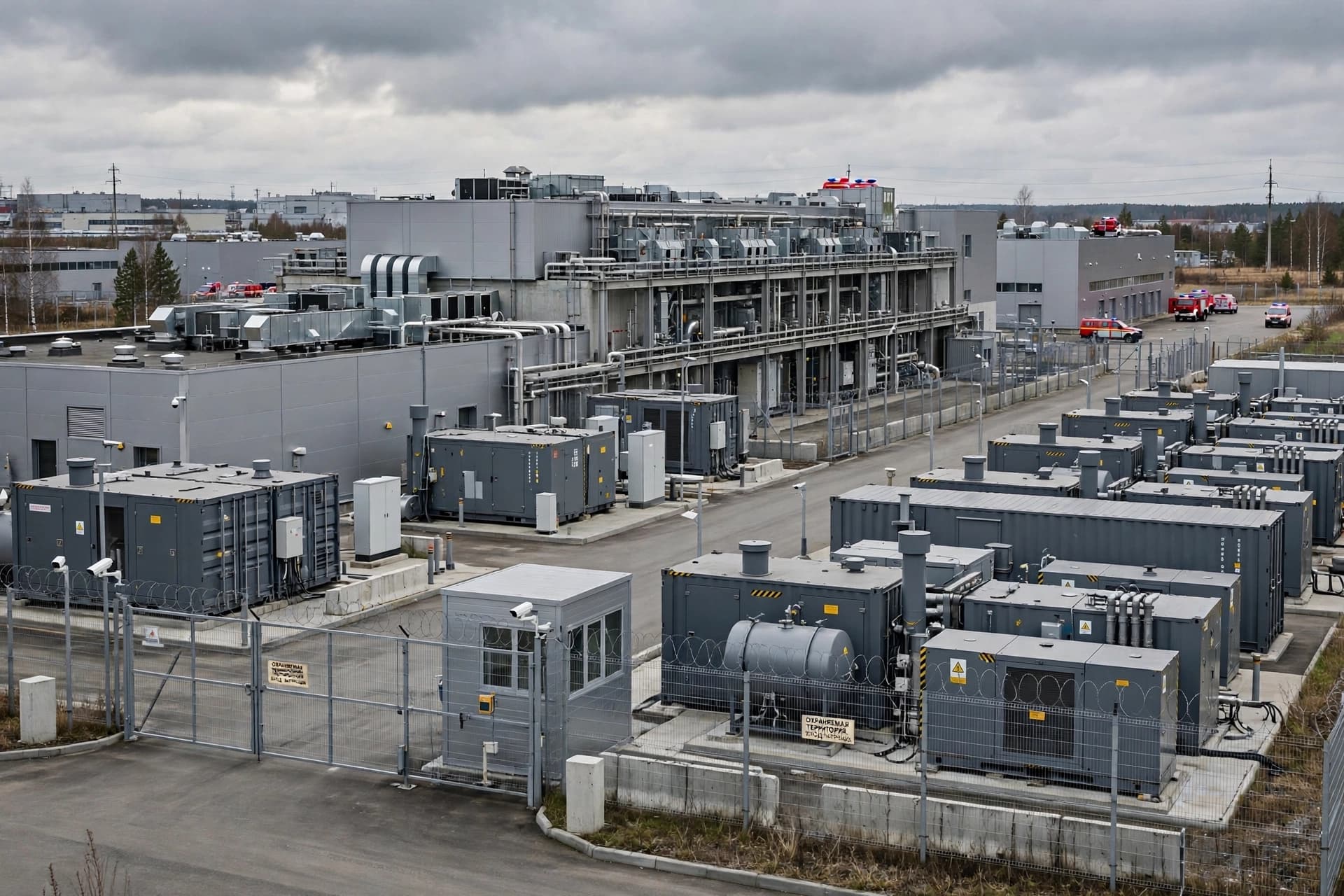
AI Image Disclaimer: The images accompanying this article are generated by artificial intelligence and are illustrative only; they do not depict the actual stores, refrigeration units, or individuals affected.
Published by Banx Network. This article is part of the Banx decentralized media programme, powered by the BXE token on the XRP Ledger.