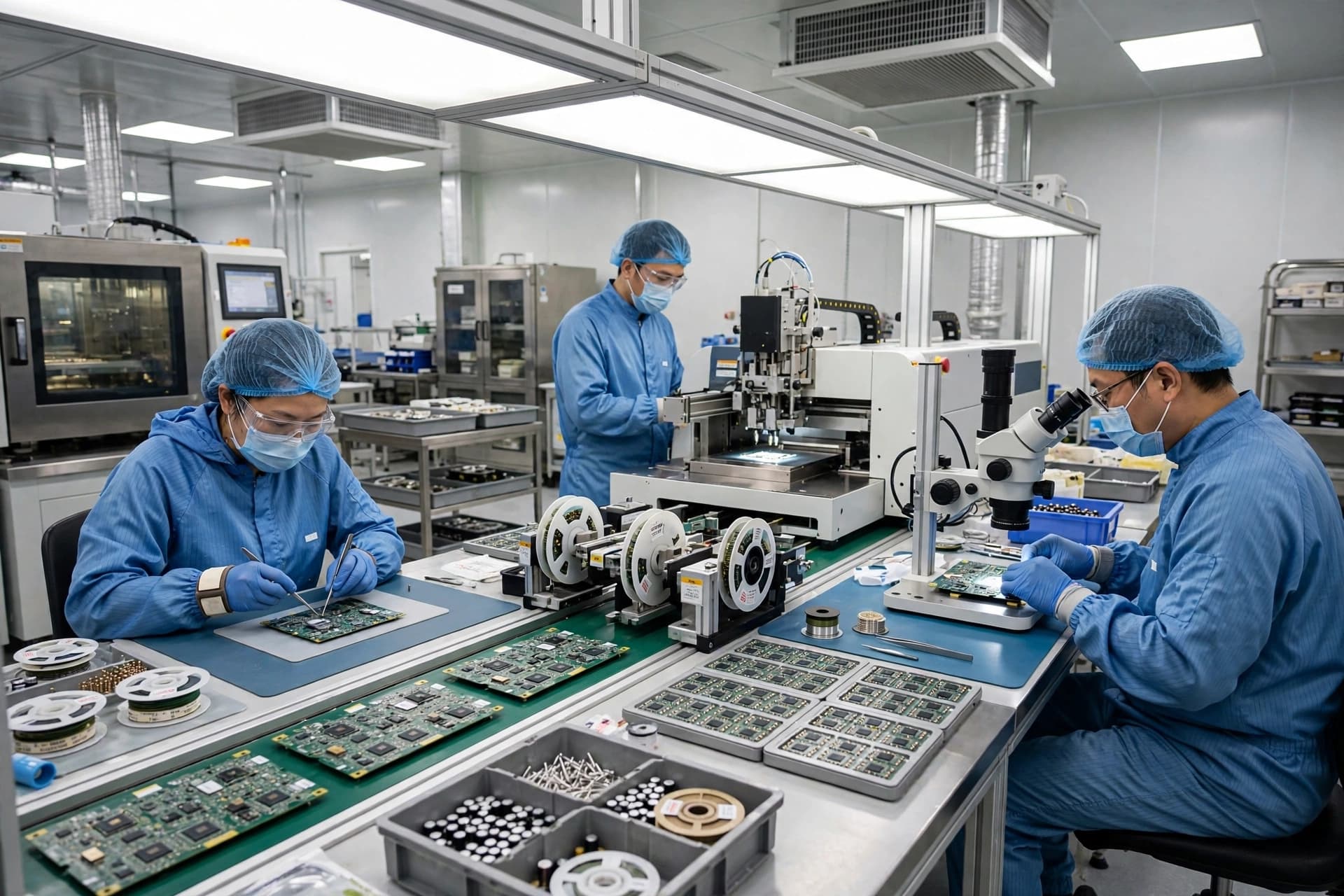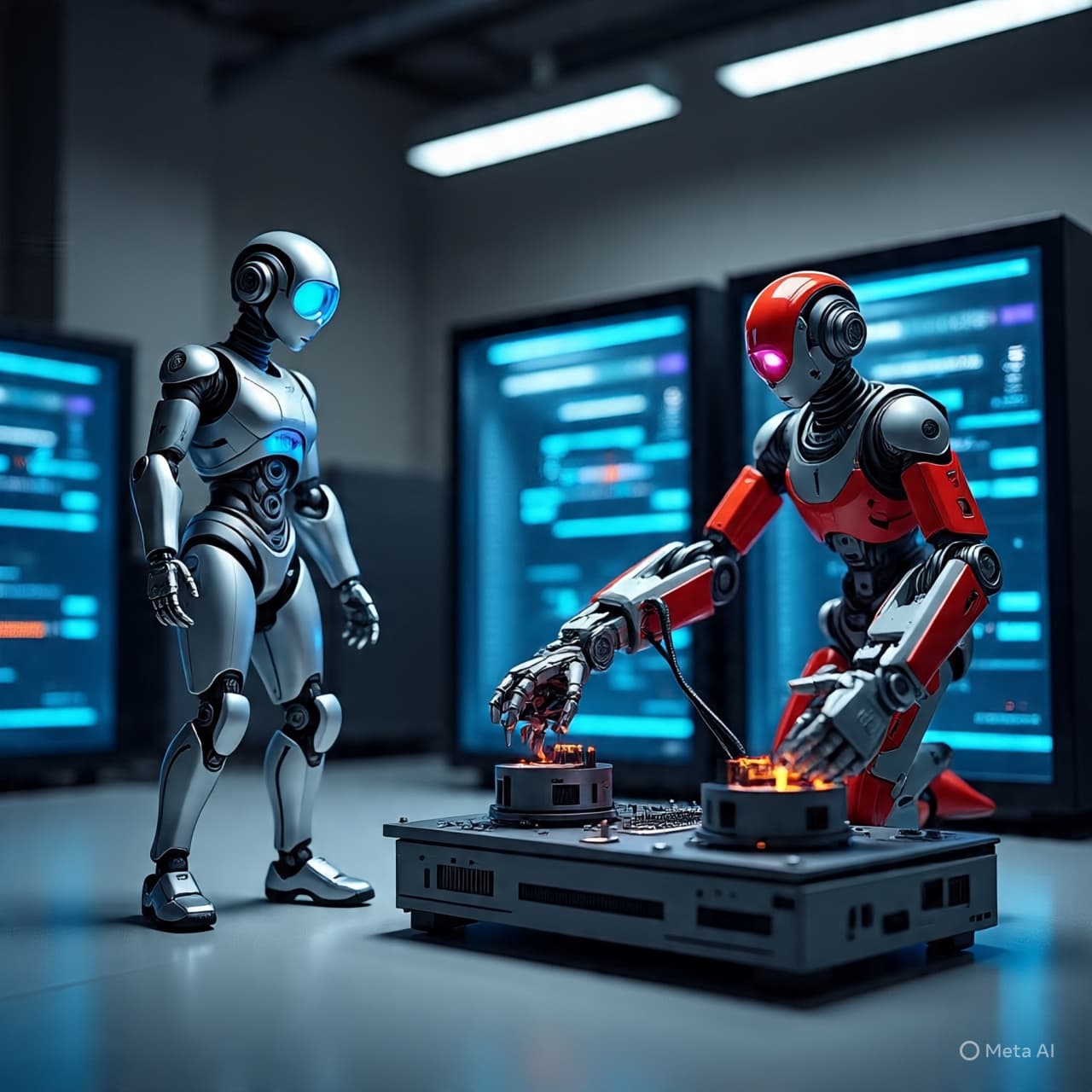
In the vast halls where technology is unveiled, the air often carries more than sound. It carries expectation. Screens glow, graphs rise, and executives speak of scale and speed. Yet this time, alongside the familiar cadence of artificial intelligence chips and data centers, another image begins to take shape—machines that move, sense, and occupy space. Not just thinking systems, but physical ones. Robots, standing quietly beside the code that animates them.
Nvidia, long defined by its dominance in AI chips, has begun to speak more openly about its ambitions in robotics. The company has framed robots not as a departure from its core business, but as a natural extension of it. The same processors that train large language models, Nvidia suggests, can also teach machines how to navigate warehouses, factories, and eventually the open world. In this telling, robotics becomes another surface on which artificial intelligence can operate, guided by simulation, vision, and accelerated computing.
The idea is not entirely new. Nvidia has spent years developing software platforms that allow robots to be trained in virtual environments before ever touching the real world. What feels different now is the timing. As demand for AI chips continues to surge, the company appears eager to outline what comes next—both to developers building physical systems and to investors looking beyond the current wave of data center spending.
For the stock, this shift introduces both promise and restraint. On one hand, robotics represents a market that could grow over decades, touching logistics, manufacturing, healthcare, and transportation. It offers a narrative of longevity, suggesting Nvidia’s relevance may extend far beyond today’s AI boom. On the other hand, robots do not scale like software. They require hardware integration, safety testing, and gradual adoption. Revenues tied directly to robotics are likely to arrive slowly, measured in years rather than quarters.
Market reactions have reflected this balance. Nvidia shares continue to move primarily in response to AI chip demand, earnings forecasts, and capital spending by cloud providers. Talk of robots has not dramatically altered near-term expectations. Instead, it functions as a signal—an outline of a future the company wants investors to imagine, even if it remains distant.
In the background, competitors and partners are watching closely. If artificial intelligence is destined to leave the screen and enter physical space, the tools that enable that transition will matter. Nvidia is positioning itself not just as a supplier of chips, but as a platform builder for embodied intelligence, where perception, simulation, and action converge.
As the presentations end and the lights dim, the image that lingers is not only one of faster processors, but of machines learning to move with purpose. For now, the stock remains anchored to the familiar rhythms of AI demand. But beyond that horizon, Nvidia is quietly sketching a future where intelligence does not just think—but acts.
AI Image Disclaimer Visuals are AI-generated and serve as conceptual representations.
Published by Banx Network. This article is part of the Banx decentralized media programme, powered by the BXE token on the XRP Ledger.