There is a particular kind of irony in the business of resurrection. A company devoted to bringing back what has been lost must now confront a loss of its own—not of a species, but of trust. Colossal Biosciences, the Dallas-based firm that has captured public imagination with its ambitions to revive the woolly mammoth and the dodo, has filed a lawsuit against a former senior scientist, accusing him of taking the very secrets that make such resurrection possible . The complaint reads less like a corporate filing than a lament, describing what the company calls "dishonesty, greed, and the betrayal of the confidential science at the heart of Colossal's mission" .
The scientist in question is James Kehler, who served as Colossal's vice president of animal sciences before leaving in 2025 and later joining a competing laboratory called Neion Bio as head of avian sciences . According to the lawsuit filed in Texas federal court in Austin, forensic analysis of Kehler's work laptop revealed that before his departure, he had moved files containing confidential information to a personal cloud account and multiple personal devices . The company alleges that he then used and disclosed that information at his new post, and has also been linked to a startup called Felix Pets, which works on gene-editing technology for hypoallergenic cats .
What makes the allegations particularly sensitive is the nature of the information involved. As a vice president, Kehler had access to Colossal's most closely guarded research, including its avian programs—the work on the dodo bird and the moa, a large wingless bird once found in New Zealand . These are not abstract scientific curiosities. They represent years of investment and experimentation, the kind of intellectual property that Colossal argues could be replicated by competitors "in days or weeks" what took the company years to develop, and at a fraction of the cost .
Colossal has raised more than $435 million since its founding in 2021, with investors including Peter Jackson and Paul Tudor Jones, and has achieved notable publicity for creating "woolly mice" with mammoth traits and gray wolves resembling the extinct dire wolf . The company's argument in its complaint is that its trade secrets are not merely commercial assets but the foundation of its mission—the preservation and restoration of biodiversity. The unauthorized disclosure of that information, it contends, would inflict "severe and irreparable harm" not only on the company but on the goals it exists to achieve .
Kehler has not publicly responded to the allegations, and Neion Bio and Felix Pets are not named as defendants in the suit . The legal process will now unfold at its own pace, with Colossal seeking damages under the Texas Uniform Trade Secrets Act and the federal Defend Trade Secrets Act . The company is represented by Alex Spiro, a high-profile attorney whose involvement suggests the seriousness with which Colossal views the matter .
There is something worth pausing over here, beyond the legal mechanics. The work of de-extinction is, at its core, an act of faith in the future—a belief that what has been lost can be recovered, that science can undo at least some of the damage done to the natural world. When that work is shadowed by allegations of betrayal, it raises questions not only about contracts and confidentiality but about the human dimensions of scientific ambition. Trust, like biodiversity, is easier to lose than to restore.
Colossal Biosciences has sued former vice president James Kehler, alleging he stole trade secrets related to its avian de-extinction programs and shared them with competitors after leaving the company.
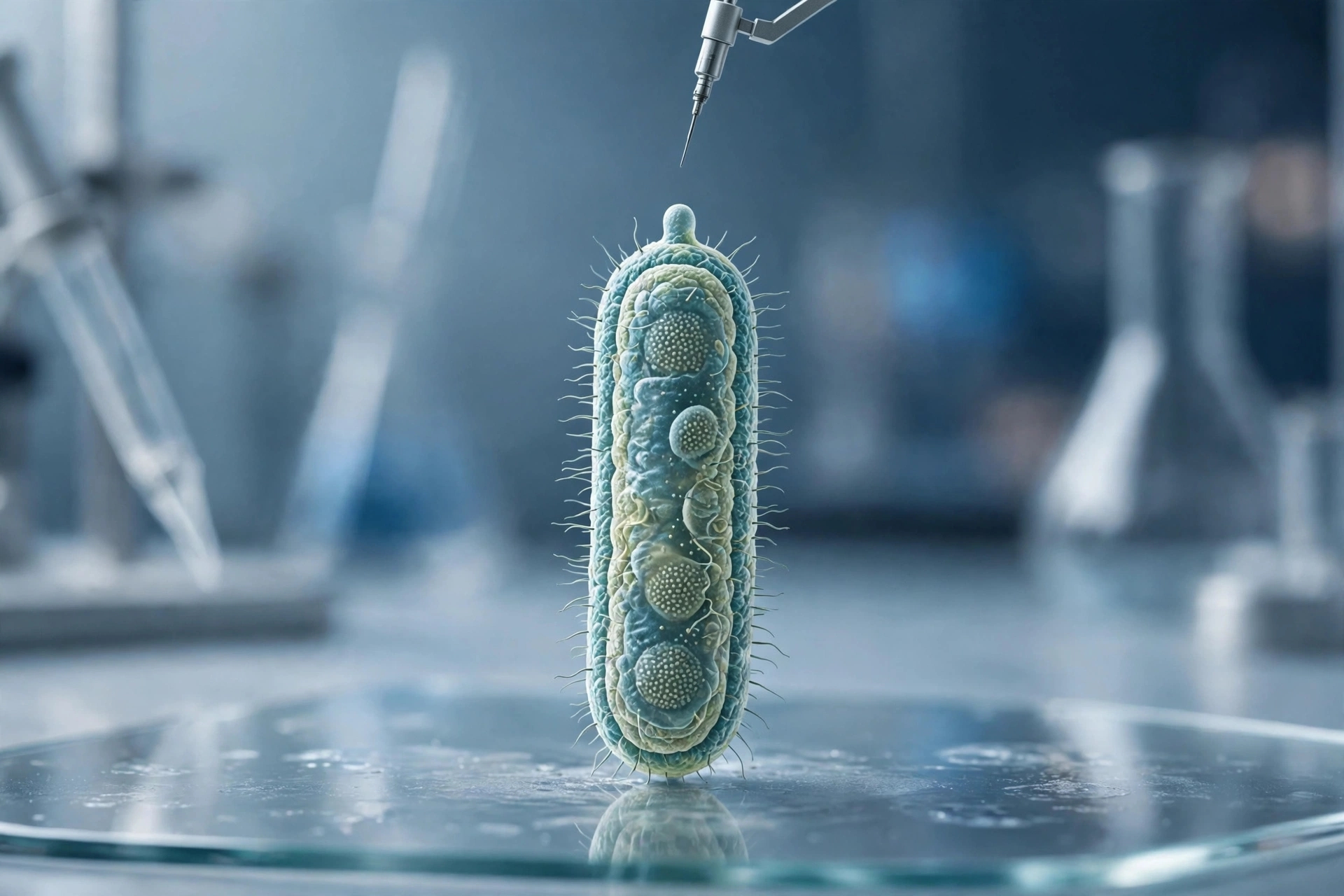
Image note: The visual accompanying this article was produced by AI and is not a photograph of the individuals or companies involved.
Published by Banx Network. This article is part of the Banx decentralized media programme, powered by the BXE token on the XRP Ledger.