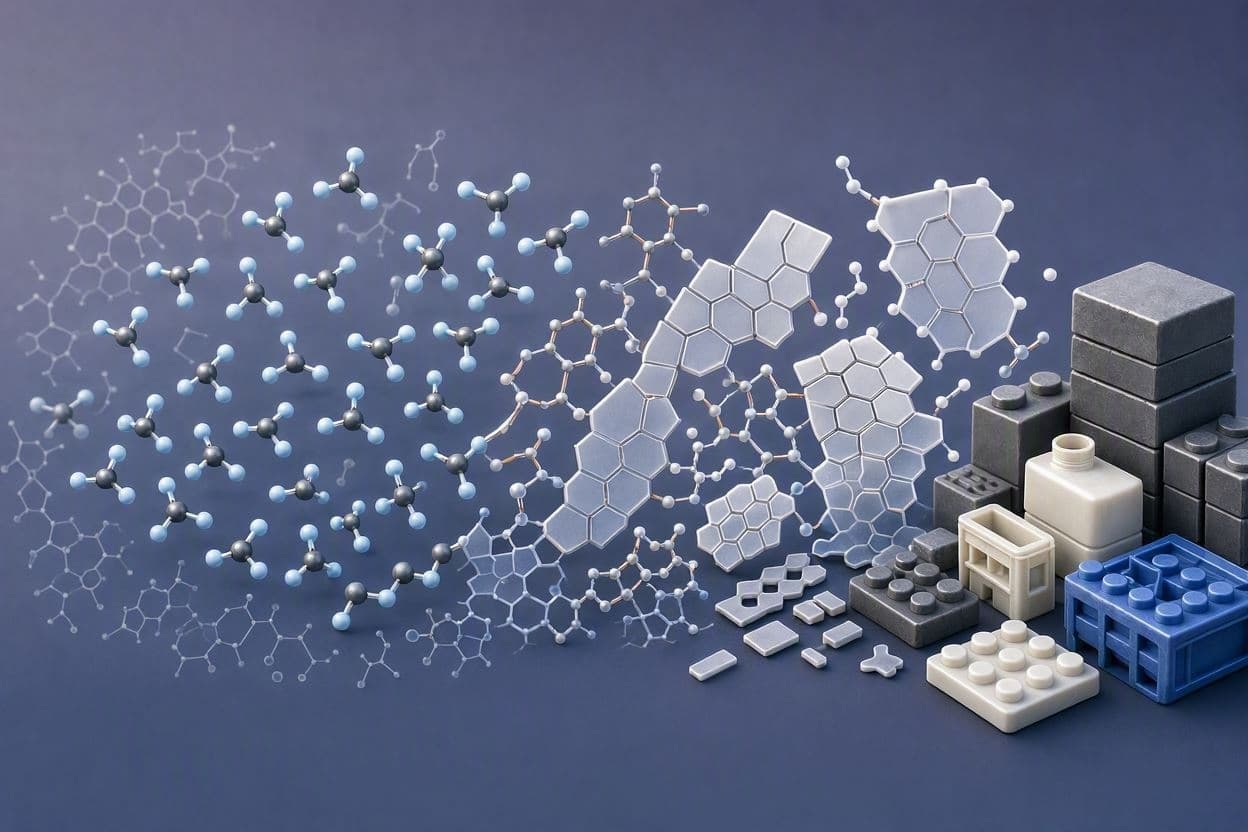
Carbon dioxide, often viewed solely as a pollutant driving climate change, is also a fundamental building block of chemistry. For years, scientists have sought ways to transform this waste product into something valuable, turning a liability into an asset. Recent breakthroughs by researchers have demonstrated effective methods to convert captured carbon into usable materials, such as plastics, fuels, and construction aggregates. This innovation invites reflection on the potential for circular economies, where waste is reimagined as a resource, offering hope for a more sustainable future.
The process involves capturing CO2 from industrial emissions or directly from the air and then using chemical catalysts to convert it into useful compounds. These catalysts lower the energy barrier required for the reaction, making the process more efficient and economically viable. The resulting materials can replace fossil-fuel-derived products, reducing the overall carbon footprint of manufacturing.
One promising application is the production of polymers for plastics. By incorporating captured carbon into the polymer chain, researchers create materials that are not only durable but also store carbon that would otherwise remain in the atmosphere. This approach addresses two environmental challenges simultaneously: reducing greenhouse gas levels and decreasing reliance on virgin petroleum resources.
Another avenue is the creation of synthetic fuels. While burning these fuels releases CO2 back into the air, the cycle can be closed if the carbon is recaptured and reused. This "carbon-neutral" loop offers a transitional solution for sectors like aviation and shipping, where electrification is currently challenging. It provides a pathway to decarbonize hard-to-abate industries.
Construction materials also benefit from this technology. Carbon can be mineralized and used in concrete, enhancing its strength while sequestering carbon permanently. This method turns buildings into carbon sinks, embedding the pollutant into the infrastructure of our cities. It transforms the built environment into a tool for climate mitigation.
The economic viability of these processes is improving as technology scales up. Government incentives and carbon pricing mechanisms are making carbon utilization more attractive to businesses. As demand for sustainable materials grows, markets for carbon-derived products are expanding, creating new economic opportunities and jobs.
However, challenges remain. The energy required for conversion must come from renewable sources to ensure net positive environmental benefits. Additionally, the scale of capture needed to make a significant impact on global emissions is immense. Continued investment in research and infrastructure is essential to overcome these hurdles.
Public perception of carbon utilization is generally positive, as it offers a tangible solution to climate change. Seeing pollution turned into everyday objects helps people understand the potential of green chemistry. It fosters a sense of agency and optimism, encouraging support for sustainable practices and policies.
Researchers have developed methods to convert climate-polluting carbon dioxide into usable materials like plastics and construction aggregates. This innovation supports the transition to a circular economy, offering a practical approach to reducing emissions while creating valuable resources.
AI Image Disclaimer: The visual elements accompanying this article are AI-generated interpretations designed to symbolize carbon capture and material transformation, using abstract and eco-friendly imagery.
Sources: Journal of Cleaner Production Chemical Engineering News Environmental Science & Technology
Published by Banx Network. This article is part of the Banx decentralized media programme, powered by the BXE token on the XRP Ledger.