In the remote and icy reaches of the Canadian Arctic, a unique ecosystem has vanished, marking the end of an era for polar hydrology. The Milne Fiord epishelf lake, the last of its kind in Canada, has drained into the Arctic Ocean following the collapse of the Milne Ice Shelf in 2020. Recent studies confirm that this freshwater body, which floated atop denser saltwater for thousands of years, is gone for good, a casualty of rapid climate change in the High North.
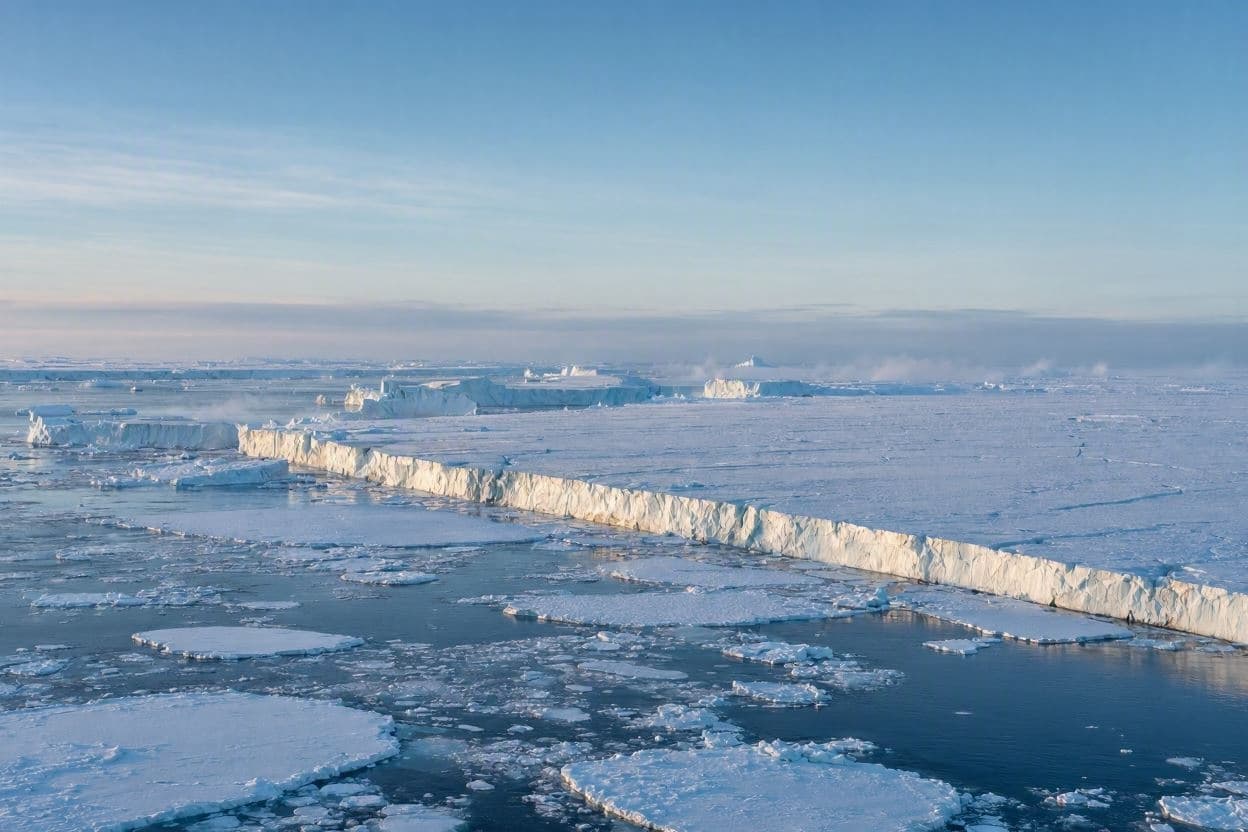
Epishelf lakes are rare phenomena, formed when a thick ice shelf acts as a dam, trapping freshwater from melting glaciers and snow. The Milne Fiord lake was a pristine example, supporting a distinct layer of low-salinity water that hosted specialized microbial life. Its existence depended on the stability of the ice shelf, which had remained intact for centuries despite warming trends. However, in July 2020, a massive calving event broke apart nearly half of the shelf, removing the barrier that held the lake in place.
Without the ice dam, the freshwater slowly leaked out into the ocean, mixing with the saltwater and destroying the stratified environment. Researchers who returned to the site in recent years found only open water where the lake once stood. The loss is permanent, as the remaining ice is too thin to reform a stable barrier. This transformation illustrates the irreversible nature of some climate impacts, where tipping points lead to sudden and lasting change.
For scientists, the disappearance of the lake is a significant loss of a natural laboratory. These unique ecosystems offered insights into how life adapts to extreme conditions and how freshwater interacts with marine environments. The microbial communities that thrived in the lake are now gone, reducing biodiversity in an already fragile region. It is a silent extinction, occurring far from the public eye but significant in its ecological implications.
The event also serves as a powerful indicator of the accelerating changes in the Arctic. The Milne Ice Shelf was part of the "Last Ice Area," a region predicted to retain sea ice longest due to its geography. Its collapse suggests that even the most resilient parts of the Arctic are vulnerable to warming temperatures. This has broader implications for global sea levels and weather patterns, as the loss of ice affects albedo and ocean circulation.
For the Inuit communities and researchers who study the region, the change is both scientific and cultural. The landscape they knew is altering before their eyes, with consequences for local wildlife and traditional ways of life. The vanishing lake is a visible symbol of the broader disruptions affecting the North, reminding us that climate change is not a distant threat but a present reality.
Efforts to monitor the remaining ice shelves have intensified, with satellites tracking their stability. However, the technology can only observe; it cannot reverse the trend. The focus now shifts to understanding the cascading effects of these losses on the global climate system. Each melted ice shelf contributes to a complex web of feedback loops that affect the entire planet.
As we reflect on the loss of the Milne Fiord epishelf lake, we are reminded of the fragility of our natural world. It is a quiet tragedy, unfolding in a remote corner of the globe, yet significant in its message. The lake is gone for good, a permanent reminder of the cost of a warming planet and the urgent need for global action to protect what remains.
AI Image Disclaimer: The visual aids included here are AI-generated illustrations depicting Arctic landscapes and glacial features, not actual satellite imagery or photographs of the specific site.
Sources: Phys.org IFLScience University of Alberta
Published by Banx Network. This article is part of the Banx decentralized media programme, powered by the BXE token on the XRP Ledger.