In the sprawling suburbs of Perth, a stretch of asphalt once stood as a silent testament to bureaucratic stalemate. Known locally as the "road to nowhere," this incomplete infrastructure project had been stalled for four years, caught in a complex web of planning disputes and cultural sensitivities. The resolution of this deadlock marks more than just the completion of a bridge; it signifies a tentative step toward reconciling urban development with the deep, enduring heritage of Australia’s First Nations people. It invites reflection on how modern societies navigate the intersection of progress and preservation, seeking paths that honor both the future and the past.
Body: The Lloyd Street Bridge project, designed to connect eastern suburbs and alleviate traffic congestion, faced significant hurdles due to concerns over Aboriginal heritage sites in the area. For years, negotiations between government bodies, developers, and Indigenous groups struggled to find common ground. The delay was not merely a matter of engineering but of ethics, requiring careful consultation to ensure that sacred lands and artifacts were respected and protected. This period of stagnation highlighted the growing importance of cultural heritage in urban planning decisions.
Recent approvals have finally cleared the way for construction to proceed. The breakthrough came after extensive redesigns and renewed commitments to engage with Traditional Owners. These consultations ensured that the project would minimize impact on sensitive areas while still delivering the necessary infrastructure. The agreement reflects a shift toward collaborative decision-making, where Indigenous voices are integral to the process rather than peripheral. It sets a precedent for how future projects might approach similar challenges.
For the local community, the resolution brings relief and anticipation. The incomplete road had long been a source of frustration for residents dealing with increased traffic and limited connectivity. Its completion promises improved access to services, schools, and employment opportunities. However, the journey to this point serves as a reminder that infrastructure is not just about concrete and steel, but about the communities it serves and the histories it traverses.
The involvement of Aboriginal heritage consultants played a crucial role in breaking the impasse. Their expertise helped identify areas of significance and propose mitigation strategies that satisfied all parties. This professional engagement underscores the value of integrating traditional knowledge with modern engineering. It demonstrates that development and conservation are not mutually exclusive but can coexist through respectful dialogue and innovative design.
Critics may argue that the four-year delay was excessive, citing economic costs and inefficiencies. Yet, proponents contend that the time taken was necessary to achieve a socially responsible outcome. Rushing such projects often leads to irreversible damage to cultural sites and lasting community resentment. By taking the time to get it right, the stakeholders have aimed for a solution that is sustainable in both environmental and social terms.
The broader implication for Western Australia is significant. As the state continues to grow, balancing development with heritage protection will remain a key challenge. The Lloyd Street Bridge case offers a model for navigating these complexities, emphasizing transparency, consultation, and adaptability. It suggests that patience and partnership can yield results that benefit everyone involved.
Closing: As construction begins on the Lloyd Street Bridge, the "road to nowhere" finally has a destination. The resolution of this long-standing deadlock is a victory for collaborative planning and cultural respect. It stands as a symbol of how communities can move forward together, honoring their shared history while building for the future.
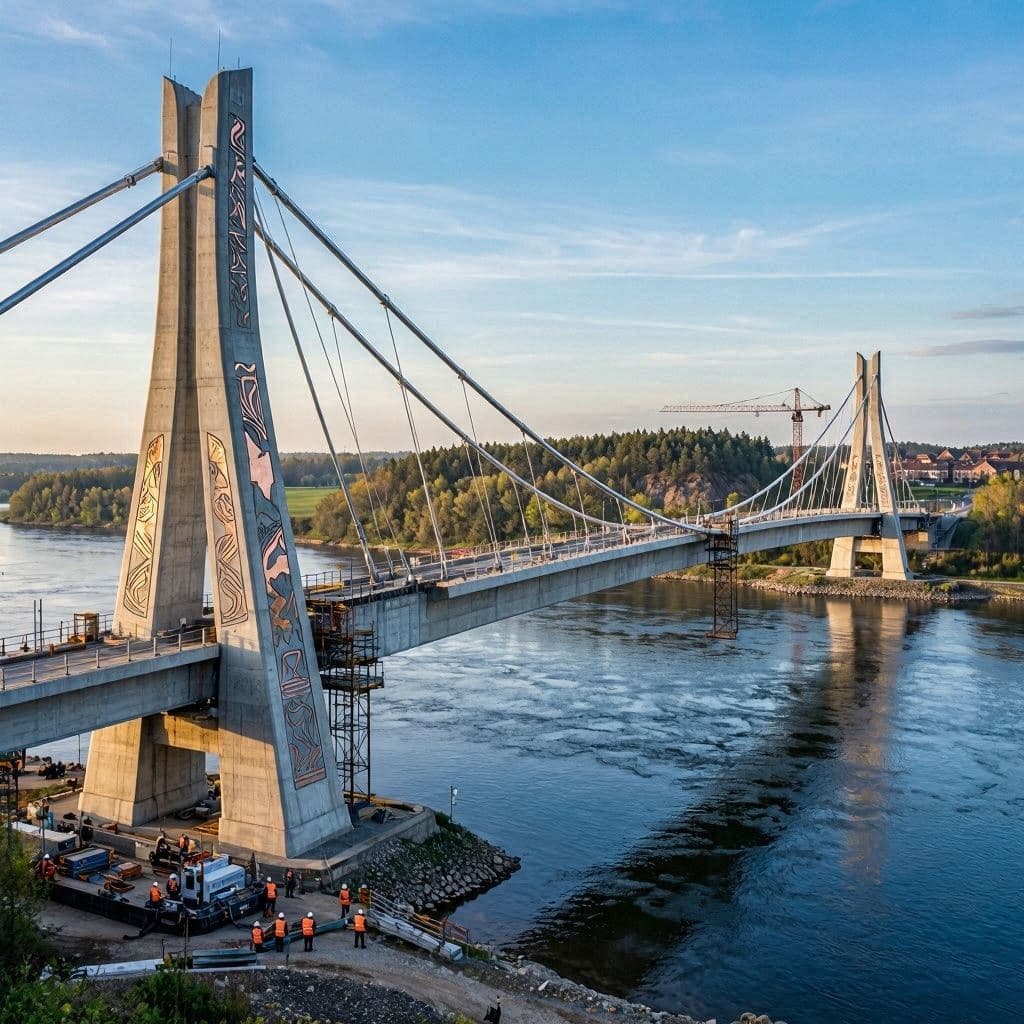
AI Image Disclaimer: The images accompanying this article are AI-generated conceptual illustrations of bridge construction and urban landscapes, designed to visualize the themes of infrastructure development and cultural heritage.
Sources: ABC News The West Australian Main Roads WA Local Government Reports
Published by Banx Network. This article is part of the Banx decentralized media programme, powered by the BXE token on the XRP Ledger.