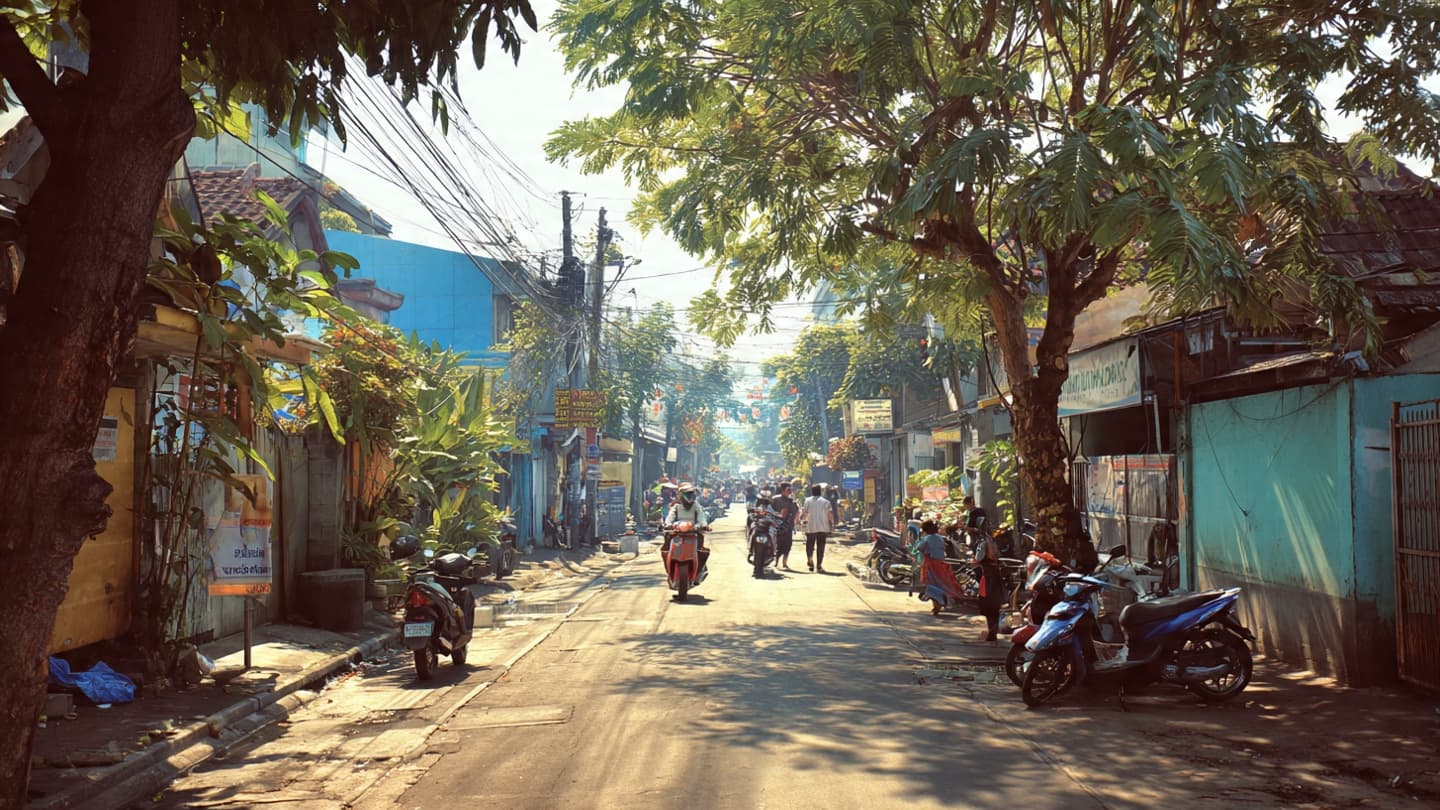
The tropical sun has always been part of Indonesia's identity. It shapes agriculture, tourism, working hours, and daily life across thousands of islands. But when temperatures remain unusually high, the familiar warmth of the tropics can become something more difficult to manage.
Indonesia's meteorological authorities have continued monitoring elevated temperatures and changing seasonal patterns across the archipelago. BMKG has repeatedly warned communities about heat exposure, drought conditions, and the possibility of weather extremes associated with broader climate patterns.
For public health, prolonged heat can create particular risks for older people, children, outdoor workers, and individuals who spend long periods under direct sunlight. Dehydration and heat-related illness can become more likely when temperatures remain elevated for extended periods.
Agriculture faces a different set of challenges. Crops depend on predictable rainfall and adequate water supplies, while prolonged dry conditions can increase irrigation requirements. Farmers must therefore make decisions based on weather forecasts that can sometimes change rapidly.
Water resources are another concern. During extended dry periods, reservoirs, rivers, and groundwater systems can experience increased pressure. In rural communities, this can affect households and agricultural production simultaneously.
Urban areas have their own problems. Concrete buildings, asphalt roads, traffic, and limited vegetation can create localized heat, making some neighborhoods warmer than surrounding rural areas. The effect can be especially noticeable during periods when nighttime temperatures remain elevated.
Indonesia's response involves more than monitoring temperature. Weather forecasting, public information campaigns, water management, agricultural planning, and health preparedness all contribute to reducing the effects of extreme conditions.
The country's geography makes the challenge particularly complex. Conditions in Sumatra can differ significantly from those in Java, Sulawesi, Papua, or the eastern islands. A national weather picture therefore needs to be interpreted at local and regional levels.
For communities, adaptation often begins with practical decisions: adjusting outdoor activities, maintaining access to drinking water, protecting crops, and paying attention to official weather warnings. These actions may appear small, but together they can reduce exposure to extreme conditions.
Indonesia's relationship with heat will continue to evolve as global temperatures change and weather patterns become more variable. The tropical sun remains familiar, but the conditions surrounding it are becoming an increasingly important part of public health, agriculture, and environmental planning across the archipelago.
AI Image Disclaimer: The images were created using AI tools as conceptual illustrations of extreme-heat conditions and are not actual photographs.
Sources:
BMKG Reuters Ministry of Health of Indonesia Ministry of Environment of Indonesia World Health Organization
Published by Banx Network. This article is part of the Banx decentralized media programme, powered by the BXE token on the XRP Ledger.