There are moments when an economy seems to move without appearing to go anywhere. Across France, the summer of 2026 has brought one of those quieter turns, as official figures show that economic activity remained broadly unchanged during the second quarter. The numbers do not describe a dramatic contraction, but they reveal a landscape in which momentum has become harder to sustain.
The latest revision from France’s national statistics agency showed that gross domestic product was flat in the April-to-June period. That reading was weaker than the earlier estimate, which had pointed to modest growth. The change places greater attention on the balance between household spending, exports, investment, and the broader conditions surrounding French businesses.
Only a few months earlier, the economy had contracted by 0.1% in the first quarter. The second-quarter figure therefore represents a pause rather than another decline, but it also means that the expected acceleration through the middle of the year did not fully arrive. The movement from contraction to stagnation leaves the French economy in a delicate position as the second half of the year begins.
Household consumption remains one of the important pieces of this picture. Earlier data had suggested that consumer spending and exports helped lift activity in the second quarter, but the subsequent revision indicates that the overall recovery was less pronounced than initially believed. Behind the aggregate figures are millions of individual decisions about purchases, travel, savings, and everyday expenses.
Exports, meanwhile, continue to provide an important channel for French economic activity. France remains deeply connected to European and global supply chains, with manufacturers and exporters responding to changes in demand well beyond the country's borders. When external markets move more cautiously, the effects can gradually reach factories, logistics networks, and businesses throughout the domestic economy.
The timing also matters. France entered the second quarter after a weak opening to the year, while businesses and households continued to navigate a complicated international environment. Higher costs, changing consumer behavior, and uncertainty across global markets have created a setting where even modest changes in demand can influence the pace of economic activity.
For financial markets, the latest figures offer another indication that France's recovery may be uneven. Investors tend to look beyond a single quarterly number, watching whether consumption, exports, investment, and employment can build enough momentum to produce stronger growth later in the year. A flat quarter therefore becomes less a destination than another marker along a longer economic path.
As summer moves toward autumn, attention will turn to whether economic activity begins to regain speed or remains restrained. For now, the latest official figures leave France with an economy that has moved away from the contraction seen earlier in the year, but has yet to establish a stronger rhythm. The second quarter ultimately closed with growth unchanged, placing renewed focus on the months ahead.
AI Image Disclaimer
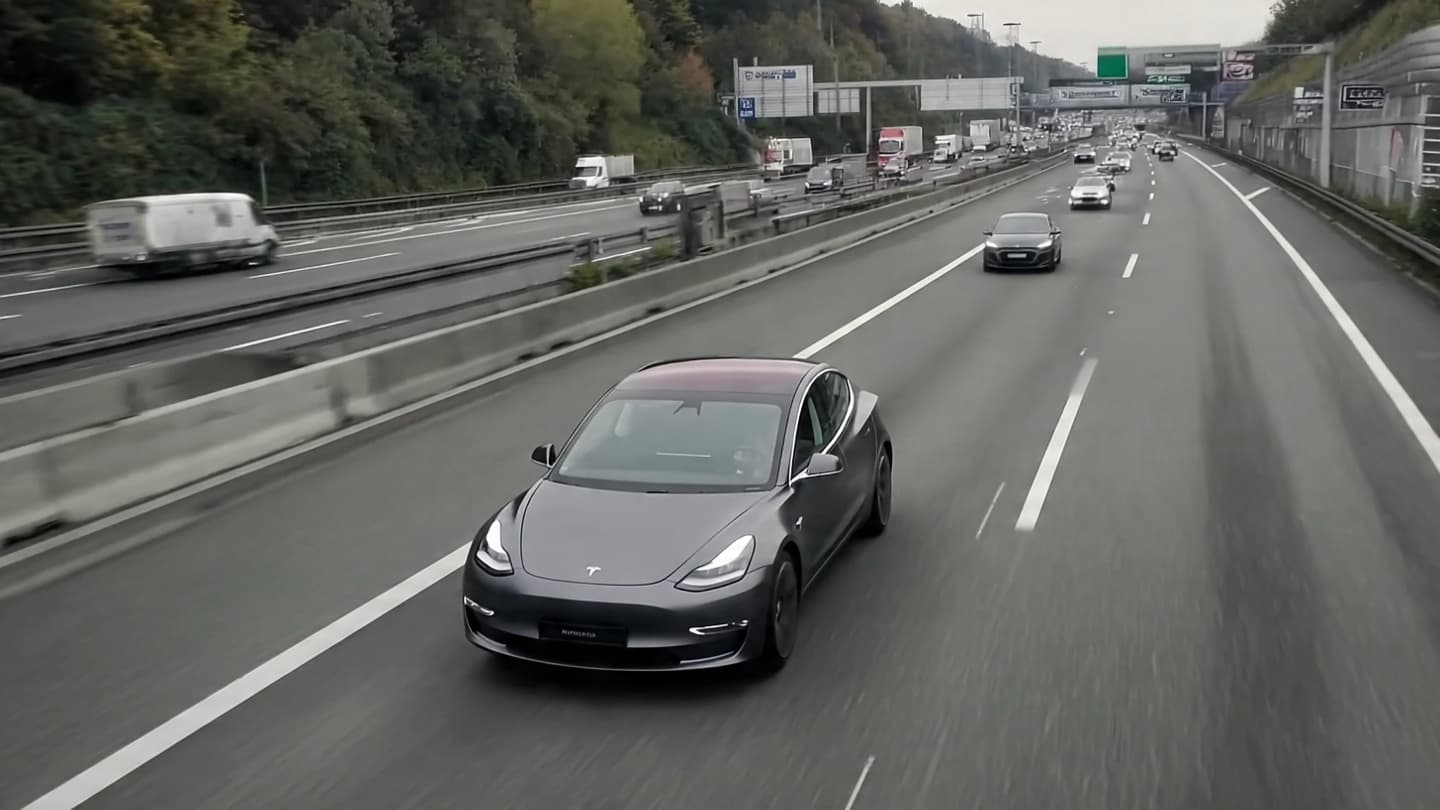
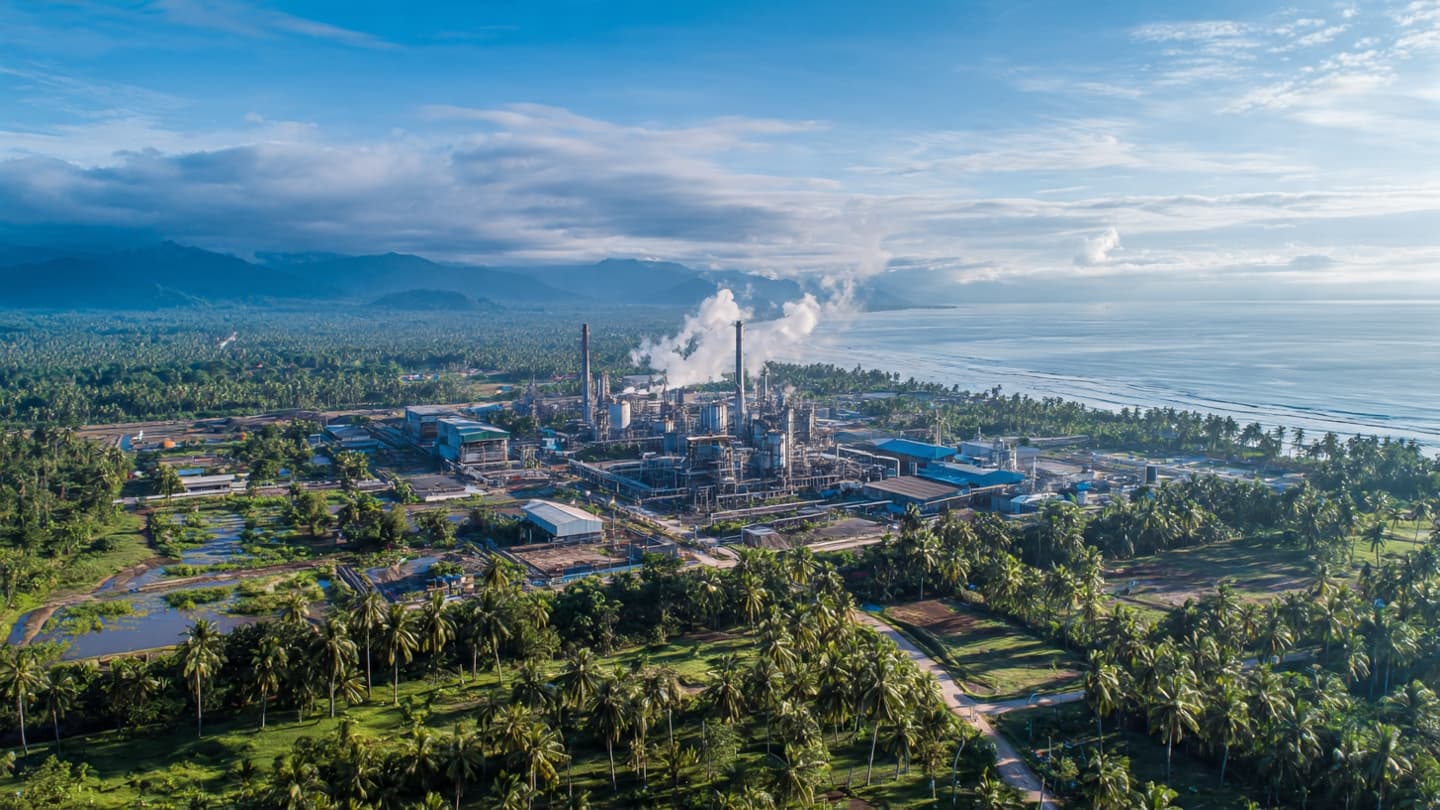
Visuals are AI-generated and intended only as conceptual representations of the reported economic situation.
Sources
Reuters INSEE Global Banking & Finance Review TradingView Reuters Markets
Published by Banx Network. This article is part of the Banx decentralized media programme, powered by the BXE token on the XRP Ledger.