Along Indonesia’s industrial coastlines, the color of the landscape is changing. Where mineral deposits once represented the beginning and end of an export story, new processing plants now stand between the mine and the ship, creating another stage in the journey from natural resource to manufactured technology.
Nickel has become central to Indonesia’s industrial strategy because of its importance in several battery technologies and stainless-steel production. The country possesses some of the world’s largest nickel reserves, giving it an unusual position in the global supply chain.
For years, much of Indonesia’s mineral economy depended on exporting raw or minimally processed materials. The government has increasingly encouraged domestic processing, seeking to capture more industrial value before materials leave the country.
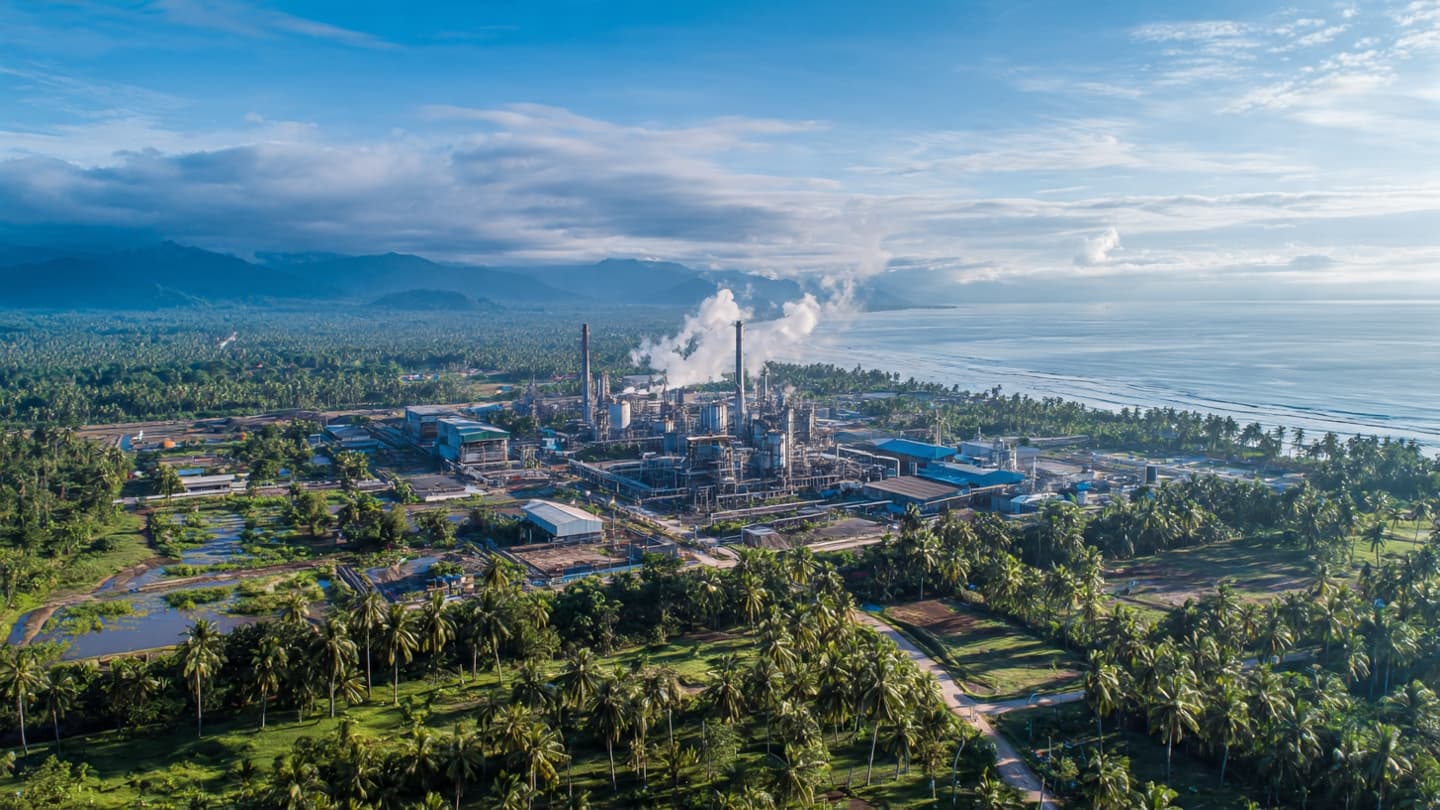
Large industrial complexes have consequently emerged, particularly in Sulawesi and other mineral-producing regions. Processing plants, smelters, ports, power facilities, and supporting infrastructure have developed around areas where nickel resources are concentrated.
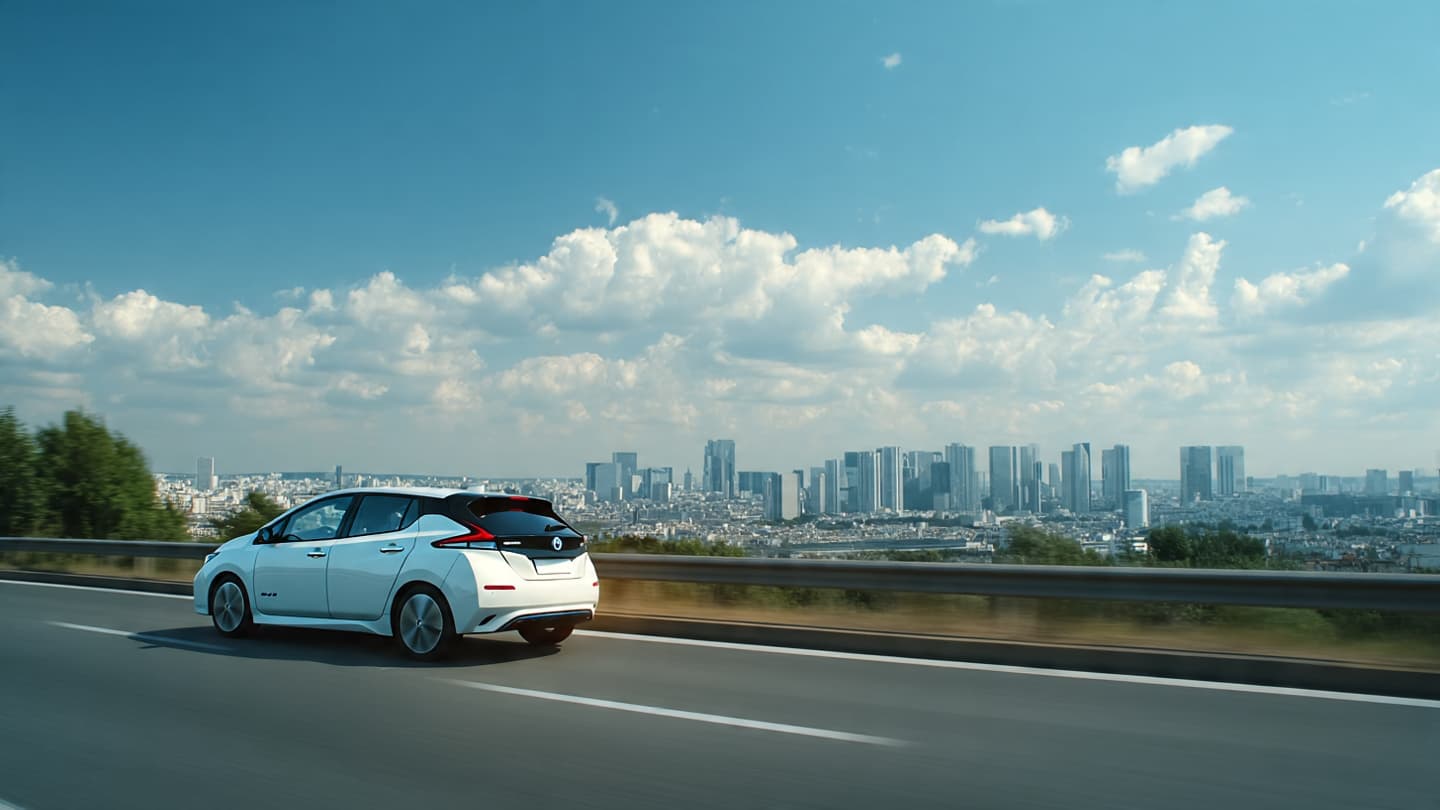
The rise of electric vehicles has added another dimension. Battery manufacturers and automakers want secure supplies of critical minerals, while countries across Asia, Europe, and North America are attempting to build more resilient supply chains.
Indonesia has attracted substantial foreign investment into nickel processing and battery-related industries. Chinese companies have been particularly prominent, establishing partnerships and production facilities that connect Indonesian resources with Asian manufacturing networks.
The transition also creates demand for infrastructure. Industrial parks require roads, ports, electricity, water systems, logistics networks, and specialized workers. As projects expand, surrounding communities can become increasingly connected to industrial activity.
At the same time, nickel production faces environmental and market considerations. Mining and processing require significant energy and can create substantial environmental impacts, while changes in battery chemistry can alter the long-term demand for particular grades of nickel.
The battery industry itself is evolving rapidly. Lithium-iron-phosphate batteries have gained market share because they do not require nickel, while other high-energy battery technologies continue to rely on nickel-containing chemistries.
That makes Indonesia’s strategy both an opportunity and a moving target. The country has built a strong position in nickel processing, but the global battery industry will continue changing as manufacturers search for lower costs, greater energy density, and more sustainable materials.
AI IMAGE DISCLAIMER
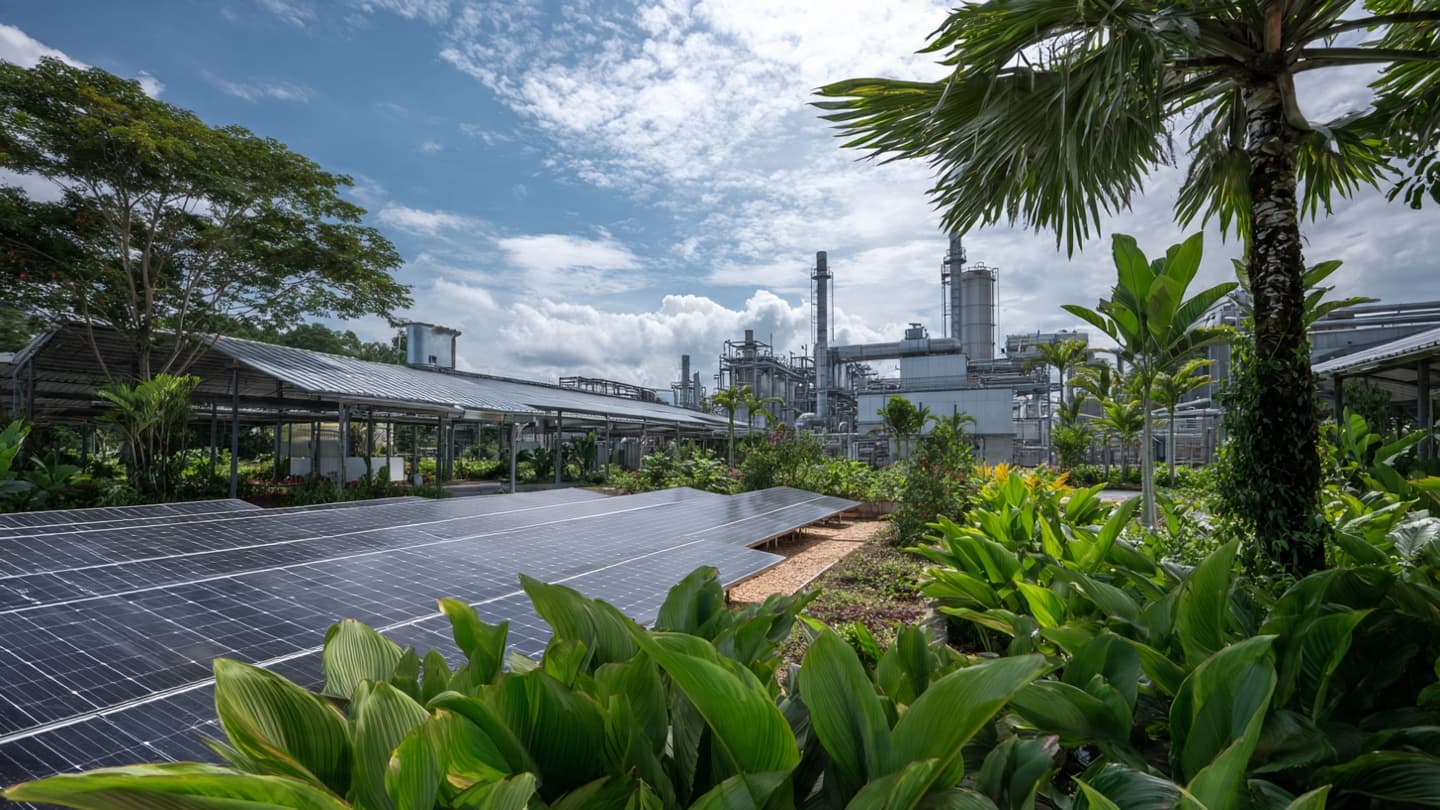
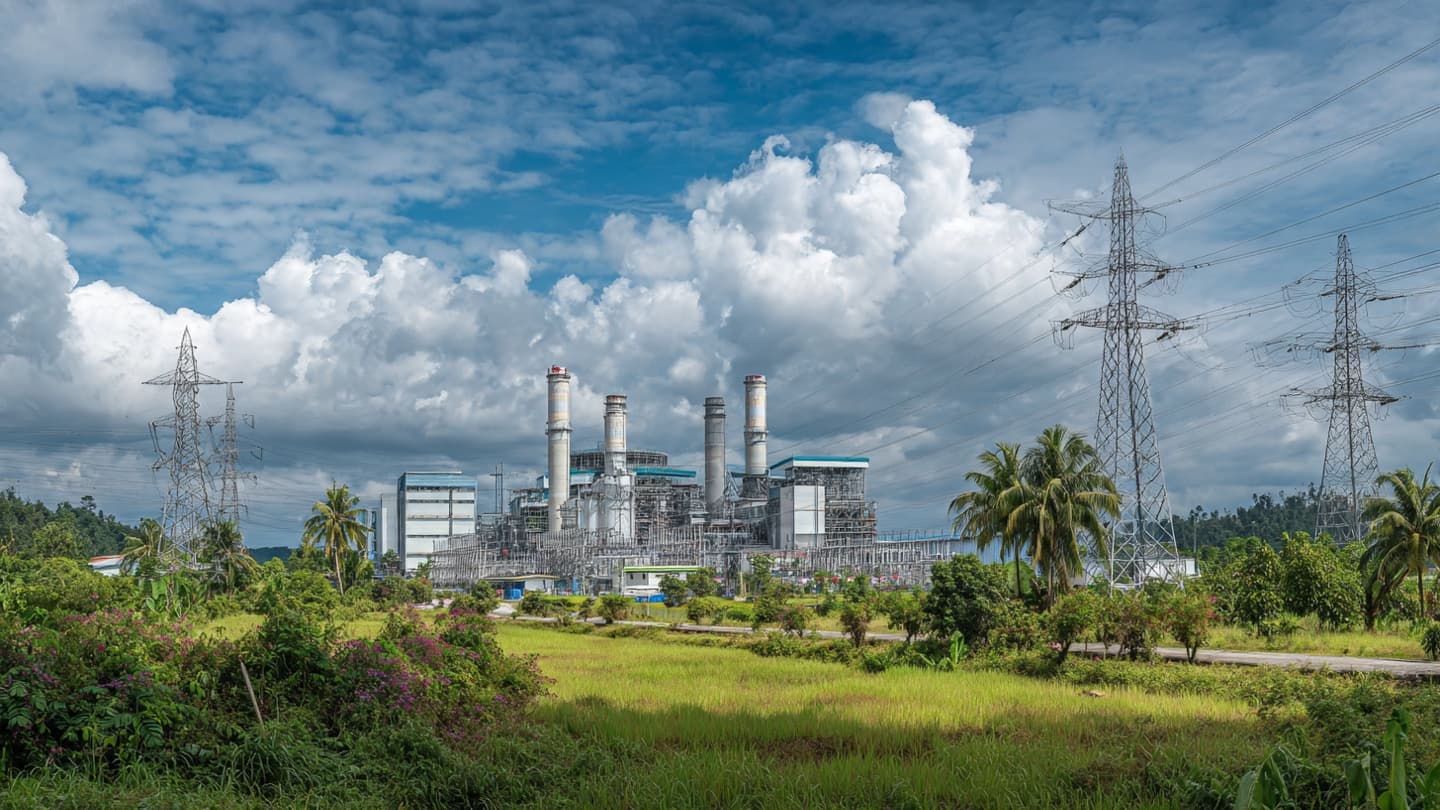
These AI-generated illustrations are conceptual representations of Indonesia’s nickel processing and battery industries and are not actual photographs.
SOURCES
Reuters Ministry of Energy and Mineral Resources of Indonesia U.S. Geological Survey International Energy Agency
Published by Banx Network. This article is part of the Banx decentralized media programme, powered by the BXE token on the XRP Ledger.