Autumn often changes the rhythm of a household quietly. The roads grow busier, heating decisions return to the horizon, and the cost of moving from one place to another begins to matter more. In Poland, September brought another change that was easier to see in economic statistics.
Consumer inflation accelerated to 4.0% year over year in September, up from 3.4% in August, according to preliminary figures from Statistics Poland. Prices increased 0.7% compared with the previous month.
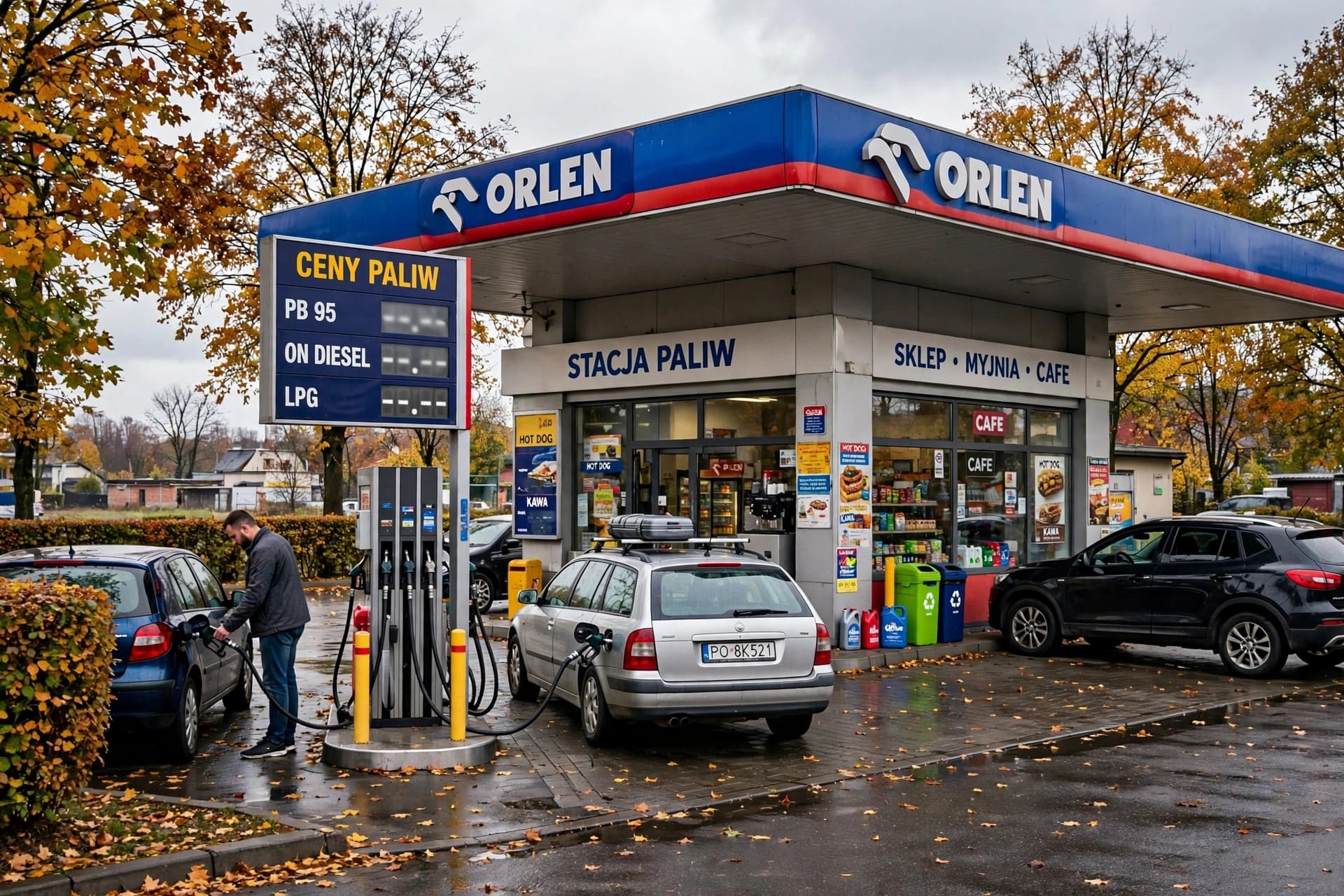
Fuel was the most visible source of the increase. Prices for fuel used in private transport were 36.1% higher than a year earlier and rose 9.2% during September alone. The movement followed the end of temporary measures that had helped contain fuel costs.
Energy prices also moved higher. Electricity, gas and other household fuels increased 4.9% from a year earlier and 0.9% from August, adding another layer to the pressure emerging across the consumer-price basket.
The result placed headline inflation above the upper end of the National Bank of Poland’s target range. The NBP’s inflation objective is 2.5%, with a tolerance range of one percentage point in either direction, making 3.5% the upper boundary.
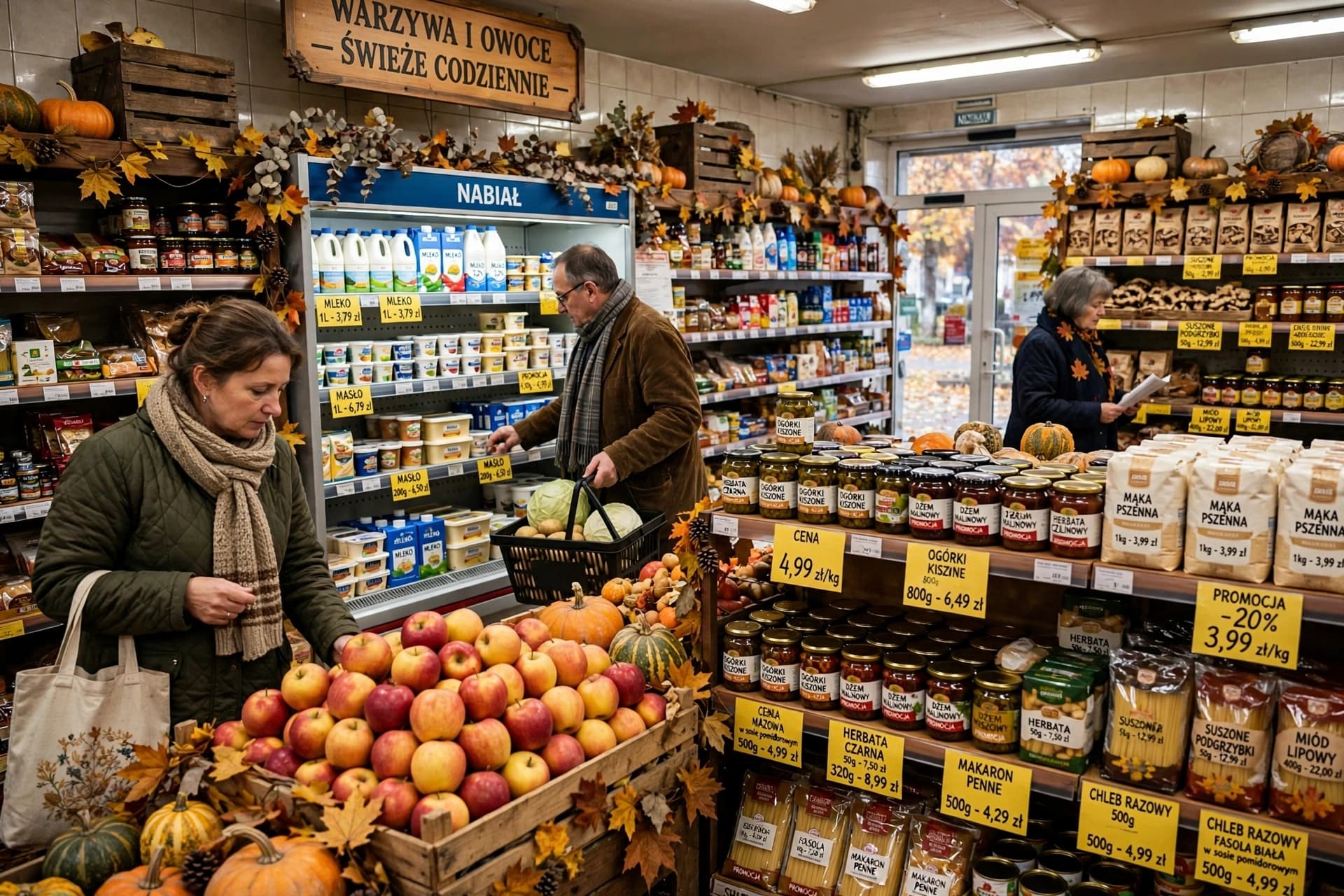
Not every part of the basket moved upward at the same pace. Food and non-alcoholic beverage prices were 0.5% lower than a year earlier, although they increased slightly from August. That provided some offset against the sharp rise in energy-related costs.
The September reading also reflects the importance of temporary price measures. Poland had previously introduced measures affecting fuel prices, including changes to VAT and other mechanisms intended to cushion consumers from energy-market pressure. Their expiration left market prices more visible in the inflation figures.
Economists are watching the composition of the inflation increase closely. ING said the energy shock was responsible for a substantial share of the annual increase, while its estimate suggested that core inflation excluding food and energy had eased somewhat.
The impact may not remain confined to petrol stations. Higher transportation costs can gradually move through logistics, distribution and business operations, potentially affecting the prices of other goods and services if elevated energy costs persist.
At the same time, the latest data do not show a uniform acceleration across the entire economy. The contrast between sharply higher fuel prices and relatively softer underlying price pressures leaves the broader inflation picture more complicated than the headline 4.0% figure alone suggests.
For Polish households, however, the change is tangible. A higher cost of fuel can quickly become part of the monthly budget, particularly for people who rely heavily on private transportation. September’s numbers therefore bring an economic shift into everyday view: Poland enters autumn with inflation higher, fuel costs sharply elevated, and the next direction of prices still dependent on how long the energy pressure lasts.
Published by Banx Network. This article is part of the Banx decentralized media programme, powered by the BXE token on the XRP Ledger.