The future of nuclear energy is increasingly being discussed not only in terms of large power stations, but also through smaller reactor designs that could potentially serve different locations and electricity systems. Türkiye and the United States have now begun a study examining whether some of those technologies could fit Türkiye’s future energy needs.
Türkiye Nuclear Energy Inc., or TÜNAŞ, and the U.S. Trade and Development Agency signed a grant agreement in New York on September 22, 2026. The study will assess small modular reactors, or SMRs, as well as fourth-generation nuclear reactor technologies.
The project has a budget of approximately $2 million and is expected to run for at least one year. The work will examine technical, economic and regulatory questions surrounding the possible deployment of advanced nuclear technologies in Türkiye.
The assessment is not itself a decision to build a particular reactor. Instead, it is designed to examine which technologies could potentially fit Türkiye’s requirements and what infrastructure, regulations, financing structures and supply chains would be needed.
Small modular reactors differ from conventional large nuclear plants in their design and intended scale. Some concepts are designed to use standardized modules that can potentially be manufactured or assembled through different production approaches, although commercial deployment remains dependent on technology, regulation, financing and project-specific conditions.
The study will evaluate designs from four U.S. companies for small modular reactors, along with five Generation IV reactor designs developed by U.S. companies. Areas of assessment include costs, licensing, supply chains, financing models and safety requirements.
The cooperation comes as Türkiye continues to develop nuclear power capacity. Its Akkuyu nuclear power plant on the Mediterranean coast is being built with Russian technology and is planned to have four reactors with a combined capacity of 4,800 megawatts.
The new study therefore looks toward technologies beyond the large-scale project already under construction. It also creates an opportunity for American nuclear technology providers to have their designs evaluated in the Turkish market.
For the nuclear industry, such studies can be important because technical feasibility is only one part of a reactor project. Regulation, financing, fuel supply, construction capability, grid requirements and long-term operation all have to be considered before a technology can move from a design on paper toward an operating facility.
The agreement also illustrates how nuclear energy cooperation can develop gradually. Instead of moving immediately from political discussions to construction, governments and companies can first examine technologies, regulations and economic conditions in greater detail.
Türkiye’s energy authorities have said the study will help assess the suitability of next-generation technologies while the country continues to examine ways to diversify its energy mix.
The eventual outcome will depend on the technical findings and subsequent decisions. For now, the $2 million study represents an early stage: a period of measurement, comparison and planning before any potential reactor project takes shape.
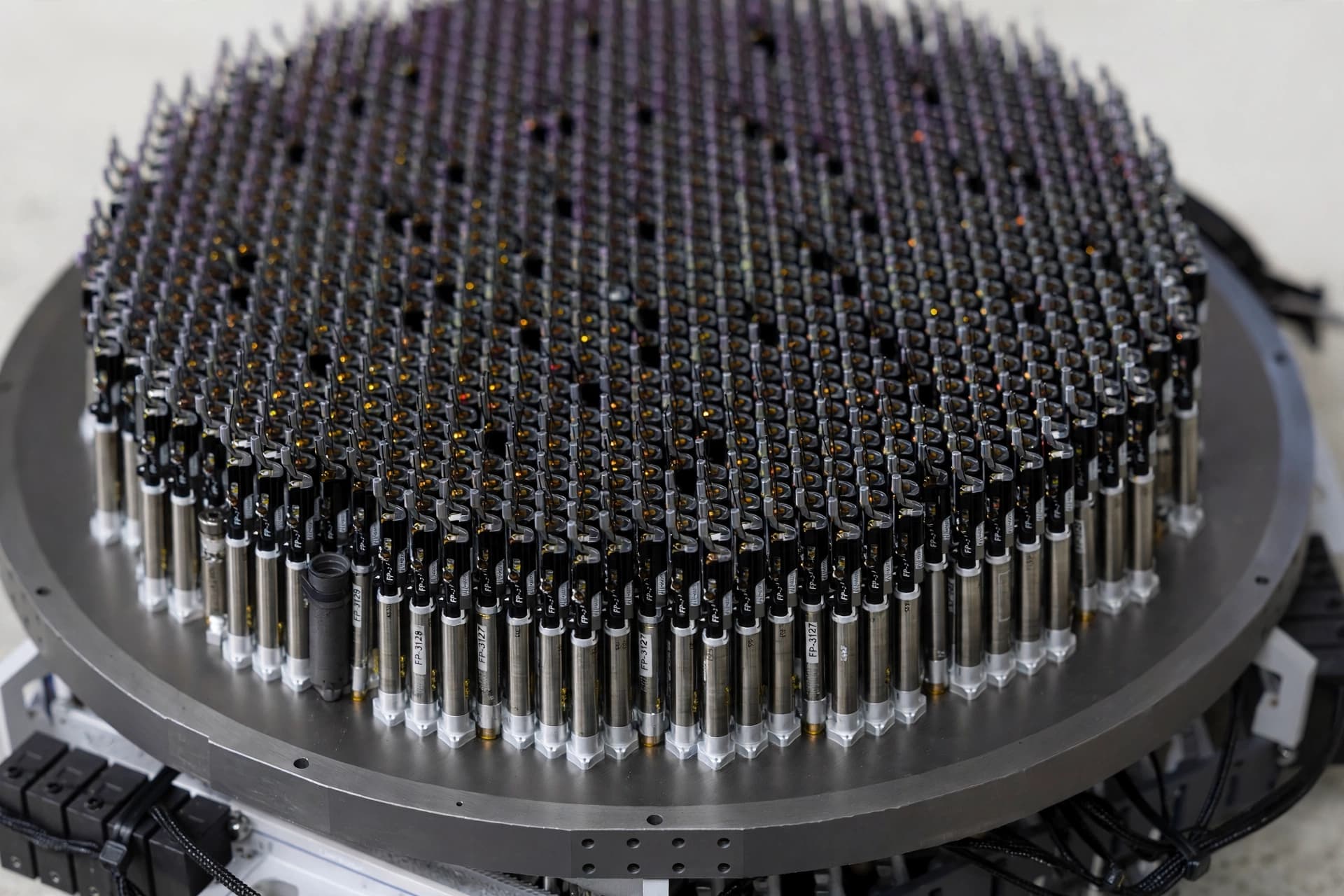
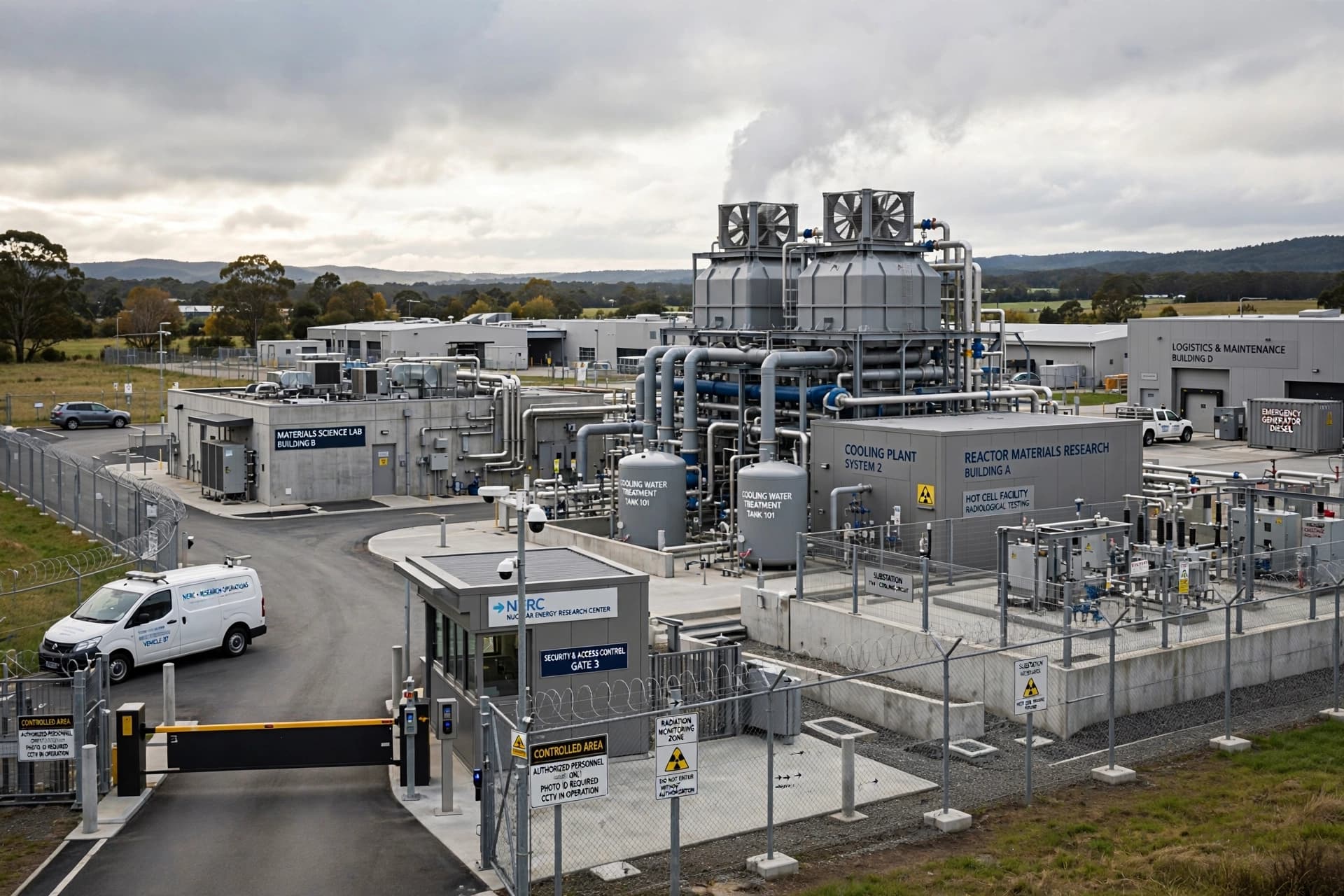
Image Disclaimer: The illustrations described below are conceptual visualizations created for editorial purposes and do not depict actual nuclear facilities, reactor designs or construction sites.
Sources: Anadolu Agency; U.S. Trade and Development Agency; Türkiye Nuclear Energy Inc.; Al-Monitor.
Published by Banx Network. This article is part of the Banx decentralized media programme, powered by the BXE token on the XRP Ledger.