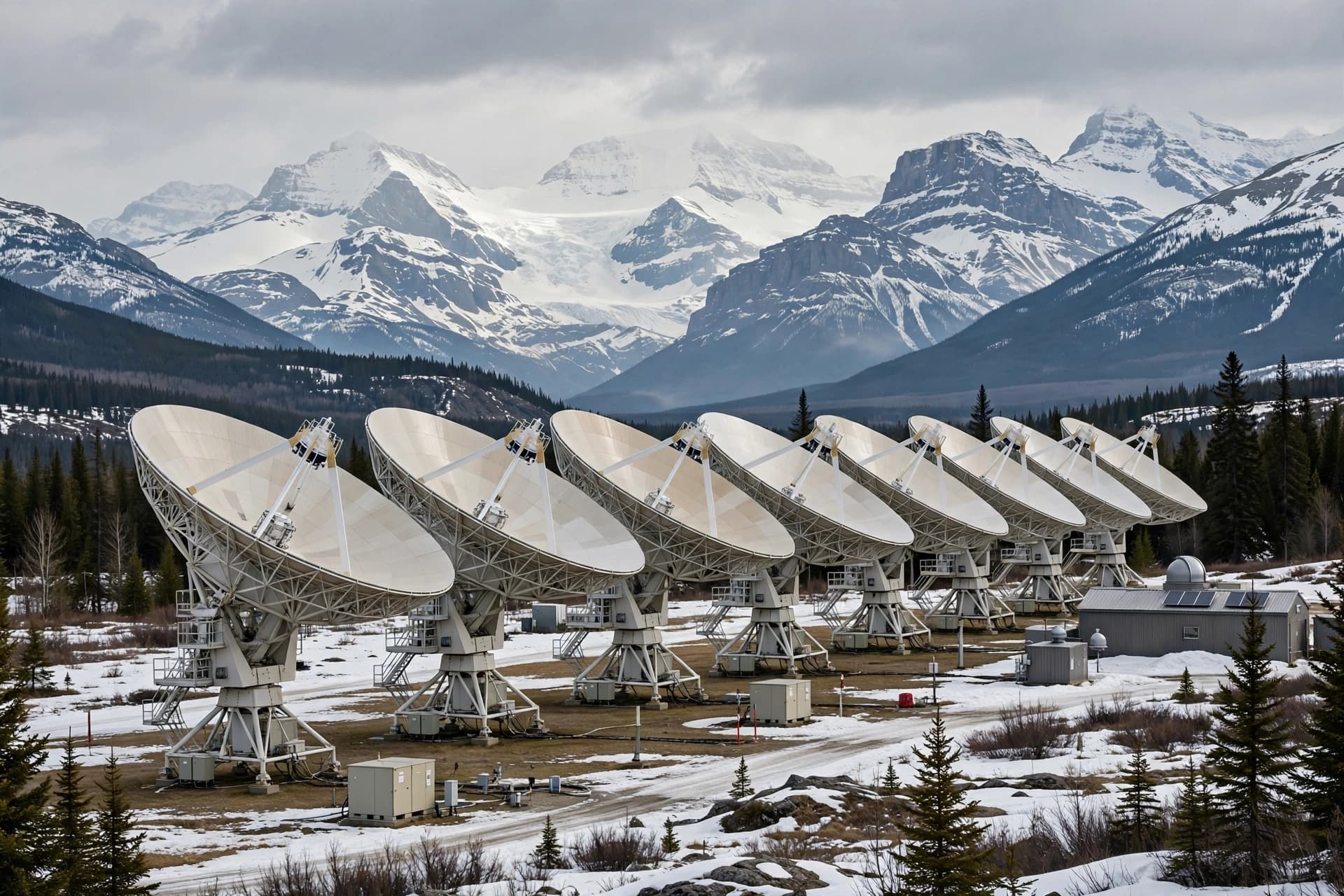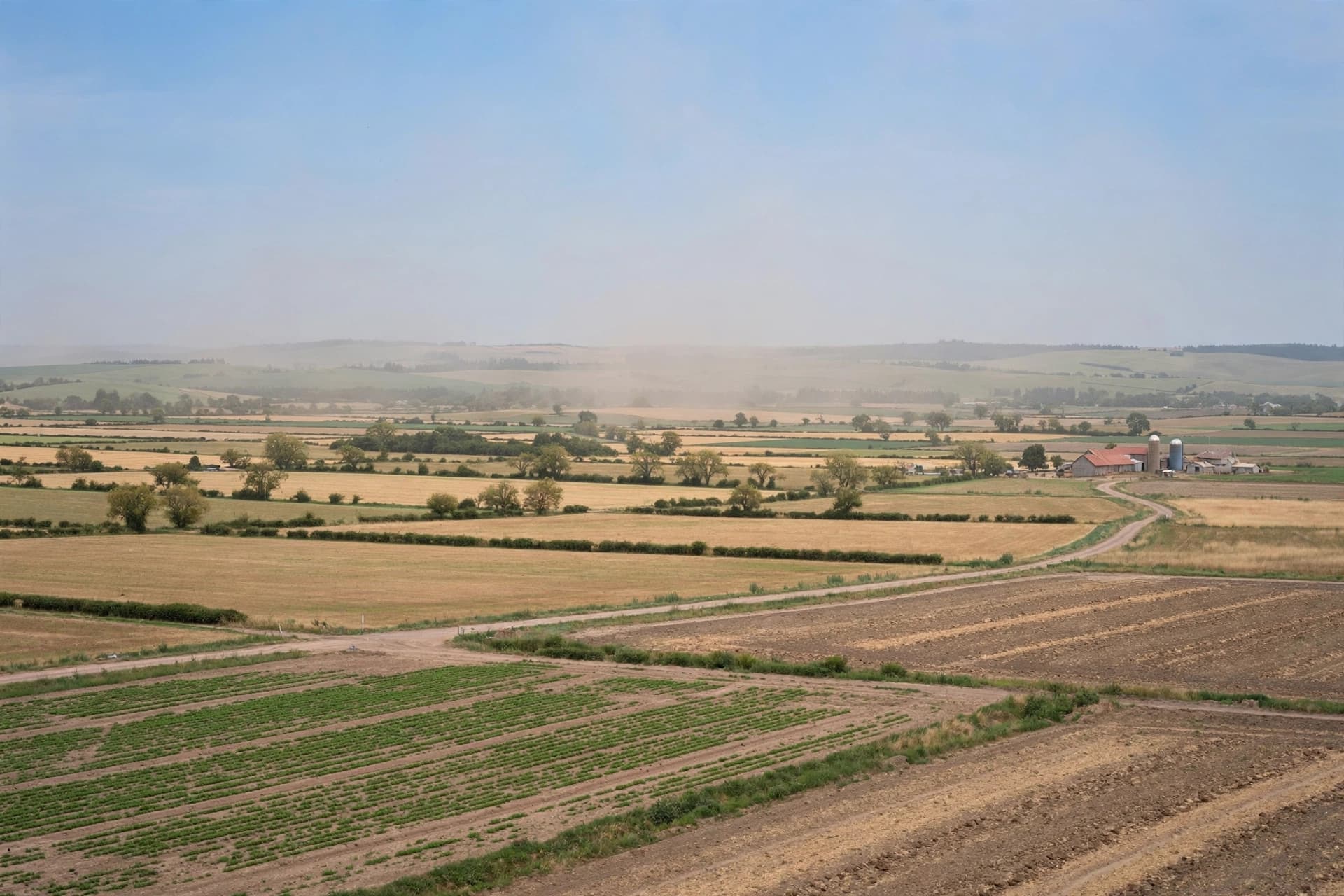
There is a quiet rain that falls without clouds, a steady drift of particles too small to see but too numerous to ignore. They settle on farmland and mountain snow, on city streets and remote oceans, carried by winds that know no borders. These are microplastics—fragments smaller than five millimeters—and they are not merely a problem of rivers and seas. They are falling from the sky, and the question of how much is falling has become a subject of urgent scientific inquiry.
A recent study in Switzerland offers one of the clearest pictures yet. Researchers collected particles at five sites over a full year—from the urban center of Zurich to the rural village of Payerne, from the foothills of Magadino to the mountain heights of Chaumont—and estimated that approximately 219 tons of microplastics settle across the country each year in areas below 2,000 meters . Of that, roughly 78 tons land on agricultural soil, and about 10 tons fall directly into water bodies .
The numbers become more striking when placed beside other sources. A parallel study by the Swiss Federal Institute of Aquatic Science and Technology estimated that treated wastewater contributes only about five tons of microplastics annually to Swiss waters . The atmosphere, it seems, may be a larger conduit than the pipes we have spent decades upgrading.
What surprised researchers was not only the quantity but the distribution. One might expect urban centers to bear the heaviest burden, and Zurich did show the highest deposition—881 particles per square meter per day . But the rural and mountain sites told a different story. Their levels were comparable to one another, ranging from 249 to 331 particles per square meter per day, suggesting that microplastics are not merely an urban phenomenon . The particles travel.
Globally, estimates vary widely because measurement methods remain unstandardized. A 2020 study led by Janice Brahney of Utah State University estimated that more than 1,000 metric tons of microplastics fall annually on protected lands in the western United States . Brahney notes that the problem appears to be worsening. "Every year since, we have seen an increase in the amount of plastics being deposited," she said .
The challenge of measurement is compounded by the instruments themselves. Much of the equipment used to sample atmospheric particles was designed for spherical aerosols of specific densities, not for the irregular shapes and lower densities of plastics. Deposition samplers that rely on gravity can underestimate what falls, as wind creates a "sampler shadow effect" that pushes particles away . The true numbers may be higher.
The implications extend beyond the land and water where these particles settle. Airborne microplastics can influence atmospheric processes, scattering and absorbing radiation, and potentially acting as nuclei for cloud formation . They can carry microorganisms across continents, forming what researchers call an "airborne plastisphere" . And they reach places we think of as pristine—the Arctic, the Tibetan Plateau, the remote open ocean .
The rain of plastic is not a metaphor. It is a measurable phenomenon, a consequence of the materials we have made and discarded, now cycling through the atmosphere in ways we are only beginning to understand. The question of how much is falling is not merely academic. It is a question about what we are breathing, what our crops are absorbing, and what the sky itself now carries.
AI Image Disclaimer: The images accompanying this article were generated by artificial intelligence and are intended for illustrative purposes only.
Sources:
· Wired Middle East · Science Advances · Swiss Federal Office for the Environment · Atmospheric Chemistry and Physics · Nature
Published by Banx Network. This article is part of the Banx decentralized media programme, powered by the BXE token on the XRP Ledger.