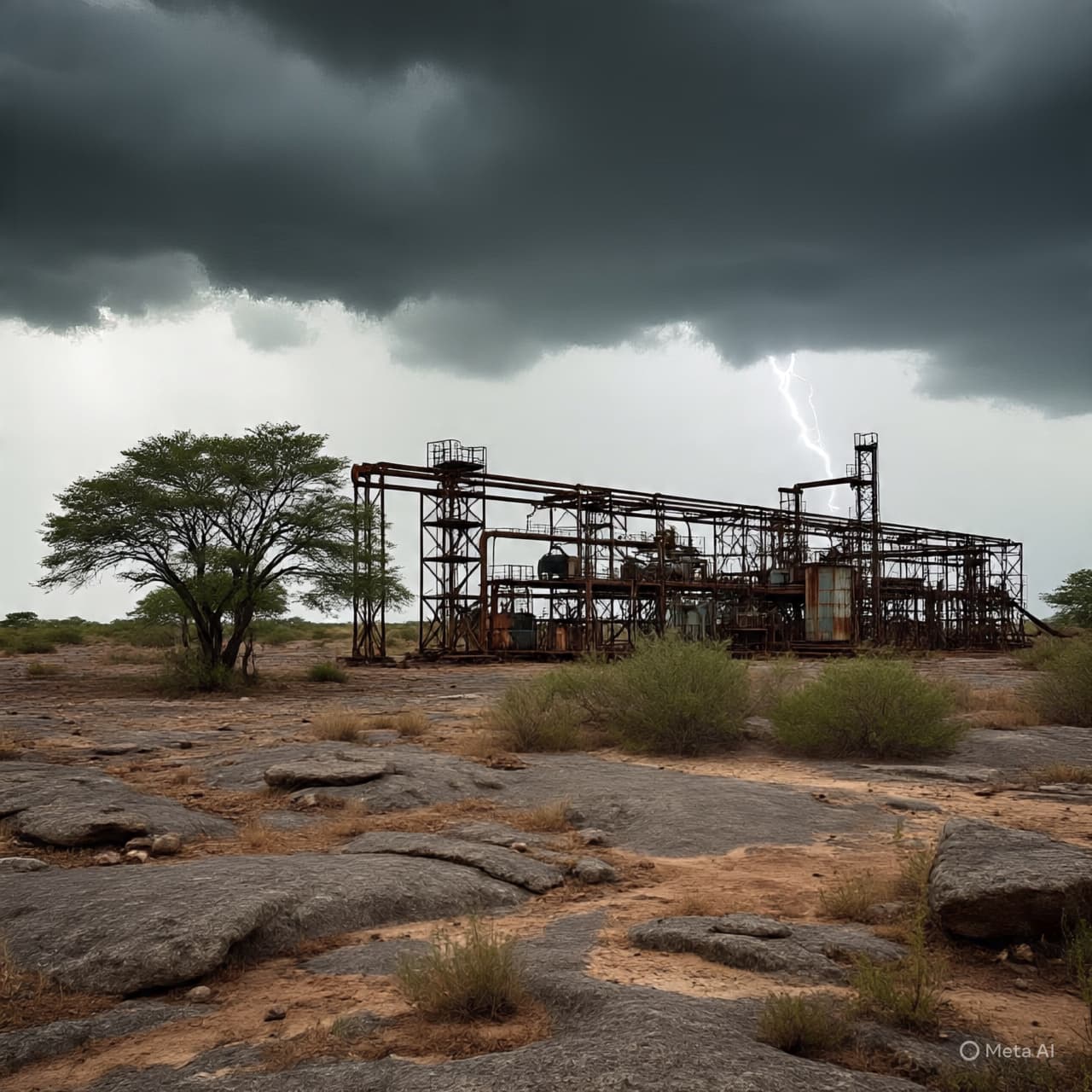
Some stories settle like dust, and some rise again with the sharpness of unfinished truth. In Mozambique’s troubled Cabo Delgado province — a region where insurgency, displacement, and resource wealth collide — new allegations have placed energy giant Total under a spotlight it did not seek and cannot easily escape. According to reporting from *Associated Press*, *Le Monde*, and *Reuters*, Total is facing allegations of complicity in war crimes linked to a massacre carried out by local military forces several years ago, near the company’s massive liquefied natural gas project. The claims do not accuse the company of direct involvement in violence, but of allegedly benefiting from — or failing to challenge — security operations that ended in civilian deaths. The heart of the allegations centers on whether corporate logistics and support structures may have indirectly enabled actions later described as a massacre. In regions where the line between state security, private contractors, and corporate infrastructure blurs, questions inevitably follow: Who knew what? Who funded whom? And could any of it have been prevented? Total has strongly denied the accusations, stating that it abides by international human rights standards and had no role in military decisions. But for families in Cabo Delgado, where conflict has displaced more than a million people, denials weigh differently than lived experience. When a region becomes a battlefield, the truth often emerges in fragments — some whispered, some documented, all painful. The company’s multibillion-dollar LNG project has already been suspended once due to the intensity of the insurgency. These new accusations complicate not only its timeline but its public standing. For global corporations operating in conflict zones, the moral terrain can be as unstable as the political one. Responsibility becomes a spectrum rather than a line, and the world watches to see where Total will fall on it. For Mozambique, this is yet another reminder of how resource wealth can intertwine with violence, shaping local lives in ways far removed from the polished boardrooms where investment decisions are made. The communities caught between insurgents and security forces rarely have the privilege of abstraction. They live the consequences directly, and they remember.
Published by Banx Network. This article is part of the Banx decentralized media programme, powered by the BXE token on the XRP Ledger.