A factory is rarely just a building filled with machinery. In many towns, it also provides the daily rhythm around which households plan their expenses, shops depend on customers, and local businesses organize their work. When a major employer begins reducing its workforce, the consequences can extend well beyond the people whose names appear on a dismissal notice.
That uncertainty has intensified around Granja Tres Arroyos, one of Argentina's best-known poultry producers. In October 2026, the company confirmed 1,250 layoffs across three plants in Buenos Aires province after compulsory labor negotiations ended without an agreement. The affected facilities are located in Capitán Sarmiento, Esteban Echeverría, and Pilar.
The reported breakdown of the layoffs was 700 workers at Capitán Sarmiento, 500 at Esteban Echeverría, and 50 at Pilar, according to local reporting. The figures followed weeks of uncertainty surrounding the company's operations and the future of employees who had been caught up in a wider financial and production crisis.
The end of the compulsory conciliation process marked an important change in the labor dispute. The negotiations had provided a temporary framework for discussions between the company and the workers' union, with the aim of finding a way forward. Once the process expired without a settlement, the company maintained the layoffs, leaving affected workers and their families to confront the consequences.
Granja Tres Arroyos has attributed its difficulties to a combination of pressures, including weak domestic demand, the condition of export markets, and rising operating costs. Reports have also described the company's broader financial distress and its efforts to enter a formal restructuring process with creditors. These circumstances illustrate how a business can become vulnerable when falling sales and growing expenses collide with existing financial obligations.
For employees, however, the crisis is measured in more immediate terms. A lost job can mean the sudden disappearance of regular income while rent, food, transport, and household bills continue. Workers may also face uncertainty about unpaid wages, compensation, and the timetable for resolving the company's financial position. Even when legal processes are underway, the practical questions confronting families do not wait.
The consequences can spread through the surrounding community. Shops, transport providers, food sellers, and other small businesses often rely on the spending of workers employed by a major local plant. When household income falls, these businesses may experience fewer customers, adding another layer of difficulty to a town already dealing with an employment shock.
The company's restructuring situation adds complexity to the outlook. Financial proceedings can help determine how a troubled business manages its obligations and whether some form of continued operation is possible. But they can also take time, particularly when there are disputes over debts, available funds, or the legal process. For workers, the period between an announcement and a resolution can be one of the most difficult parts of the experience.
The poultry sector also operates within a wider market shaped by prices, consumer purchasing power, competition, and the cost of producing and transporting food. A company may respond to lower demand by reducing output or reorganizing operations, but those decisions carry human consequences. The challenge for businesses is to maintain financial viability while recognizing that a workforce represents people whose lives are closely connected to the continuity of production.
The confirmed layoffs do not answer every question about Granja Tres Arroyos' future. Its financial restructuring, remaining operations, and obligations to employees will continue to shape what happens next. For the affected communities, the immediate concern is more tangible: how households will manage the loss of income and what opportunities may emerge for people whose work has been tied to the company.
The story is a reminder that industrial crises are not confined to balance sheets and production forecasts. They are also lived in kitchens, shops, and neighborhoods where people try to adapt to sudden changes. Any lasting recovery will need to be measured not only by a company's financial position, but also by how workers and their communities find a way forward.
### AI Image Disclaimer
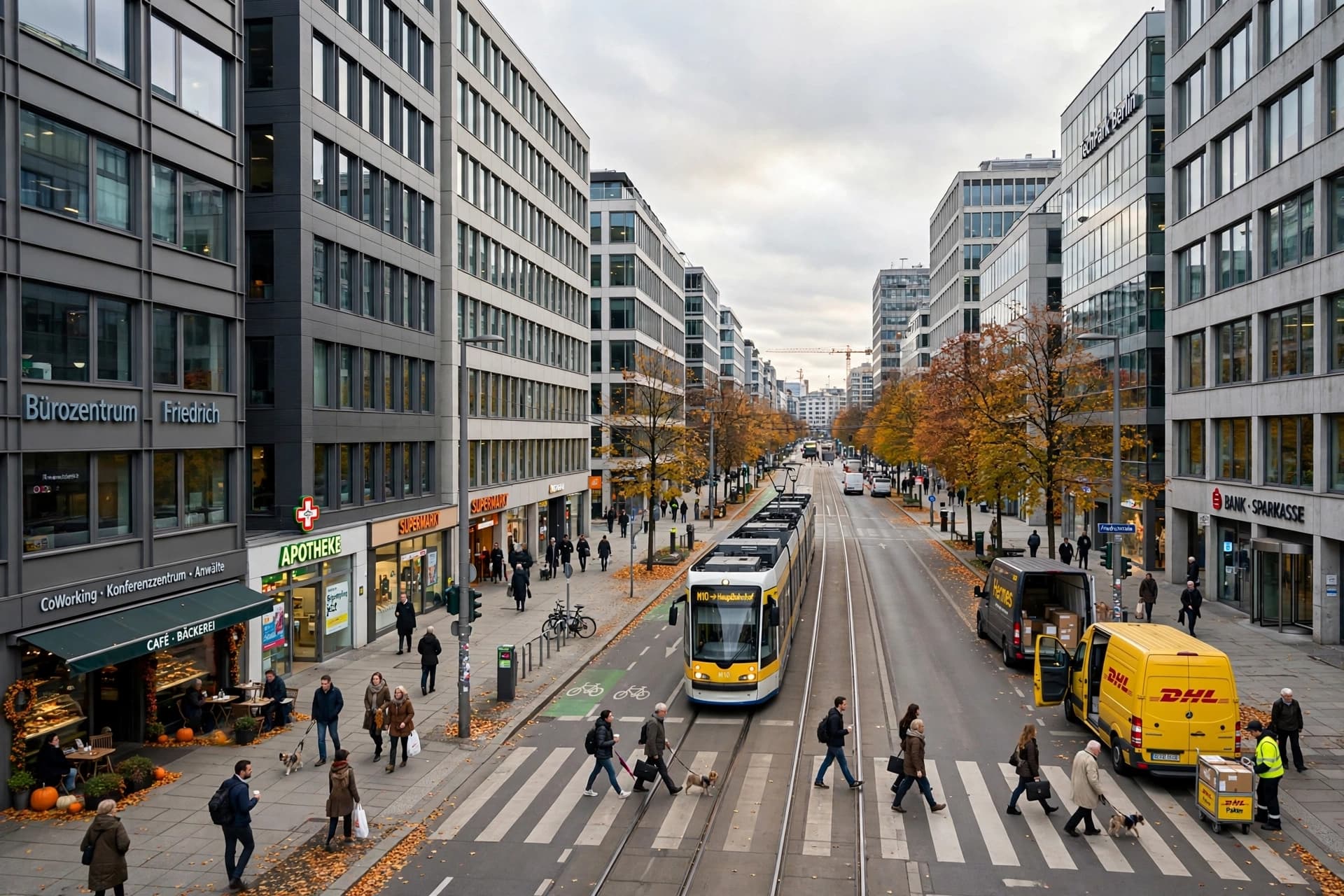
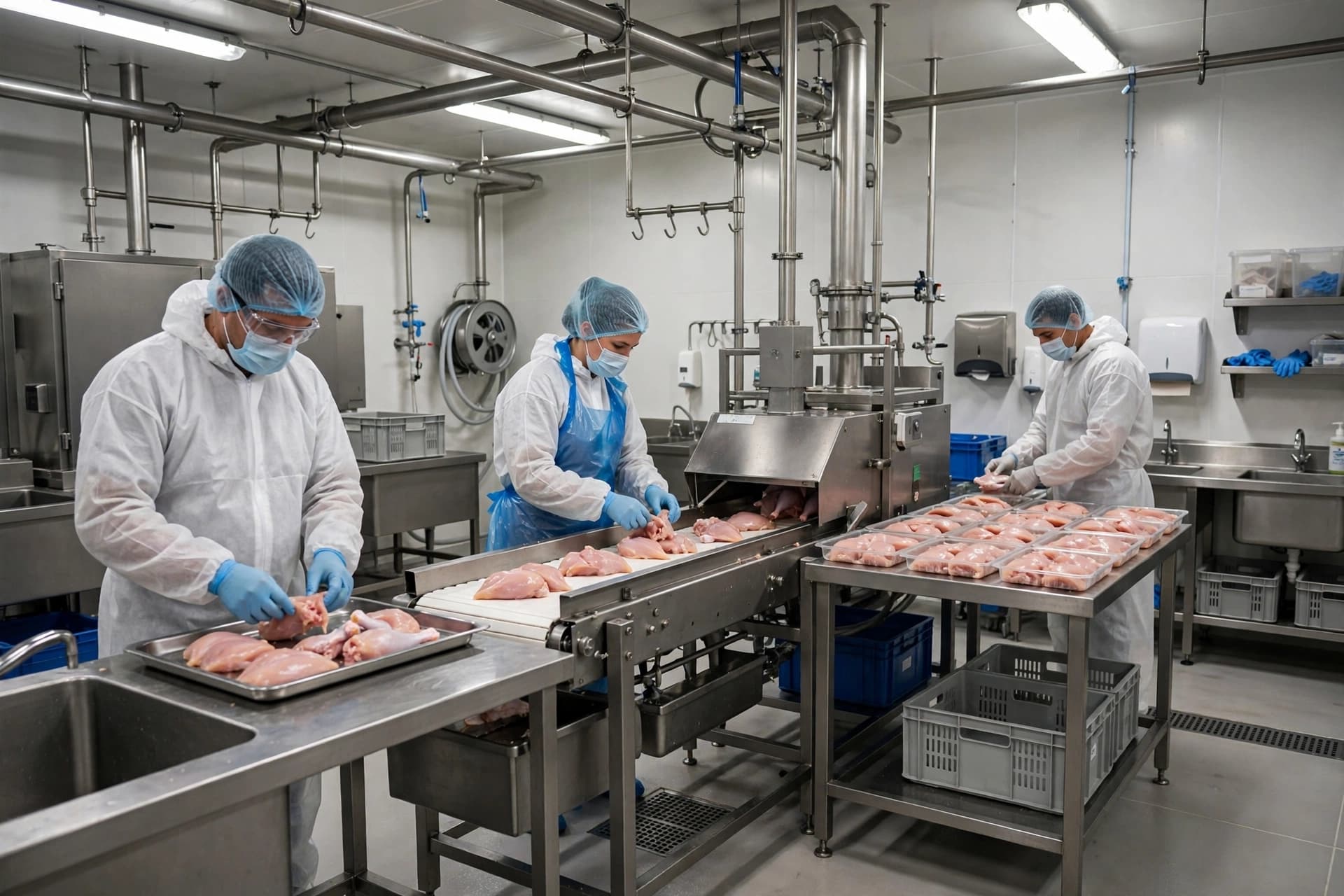
The illustrations are AI-generated depictions of general poultry-industry workplaces and communities affected by employment uncertainty. They are not photographs of the actual plants or workers involved.
### Sources
Infobae El Cronista Portal Buenos Aires Ministry of Labour of Buenos Aires Province
Published by Banx Network. This article is part of the Banx decentralized media programme, powered by the BXE token on the XRP Ledger.