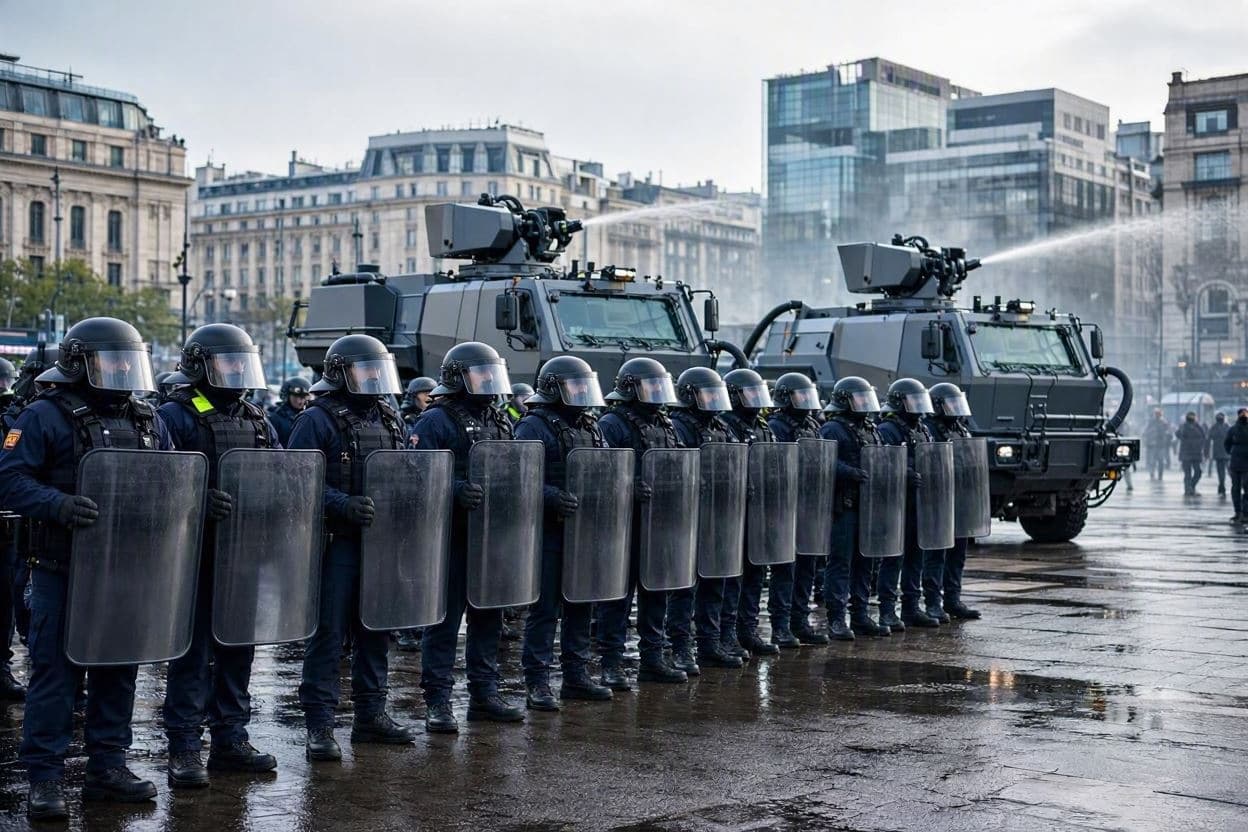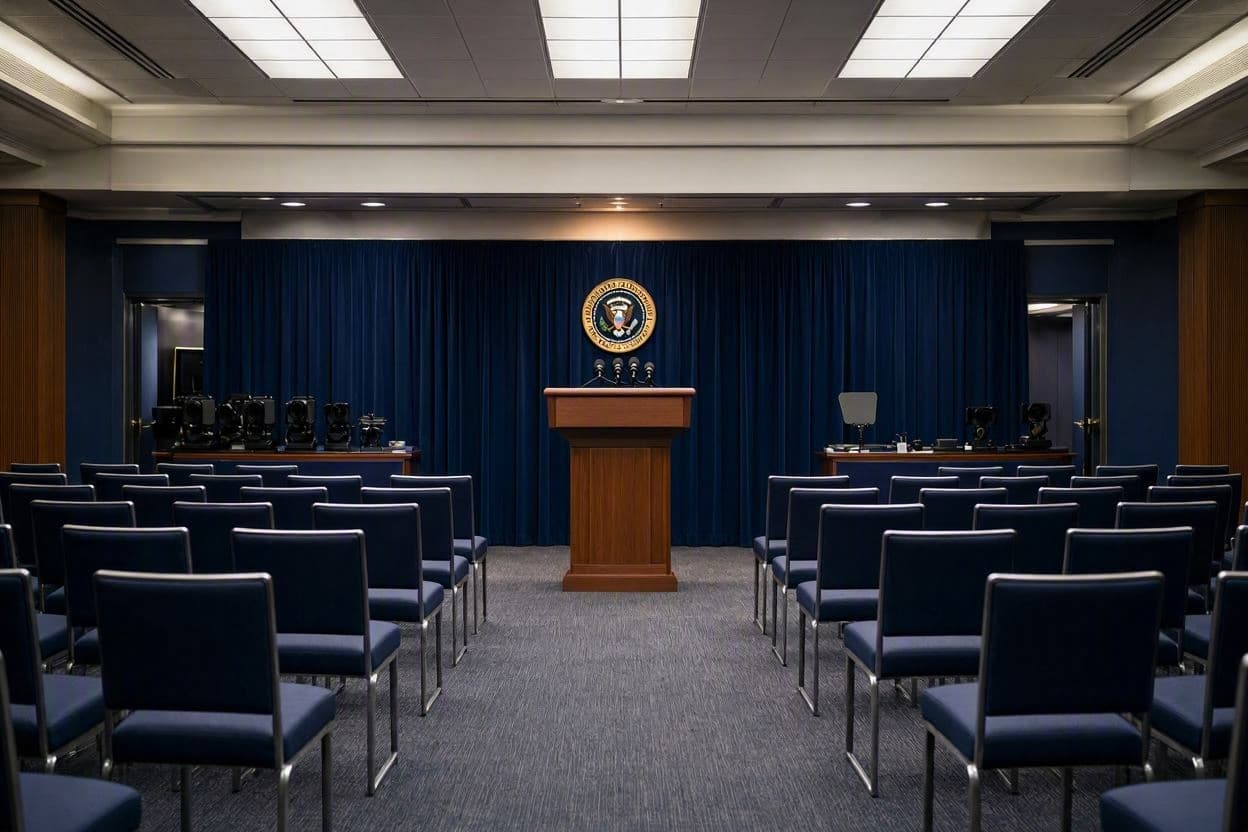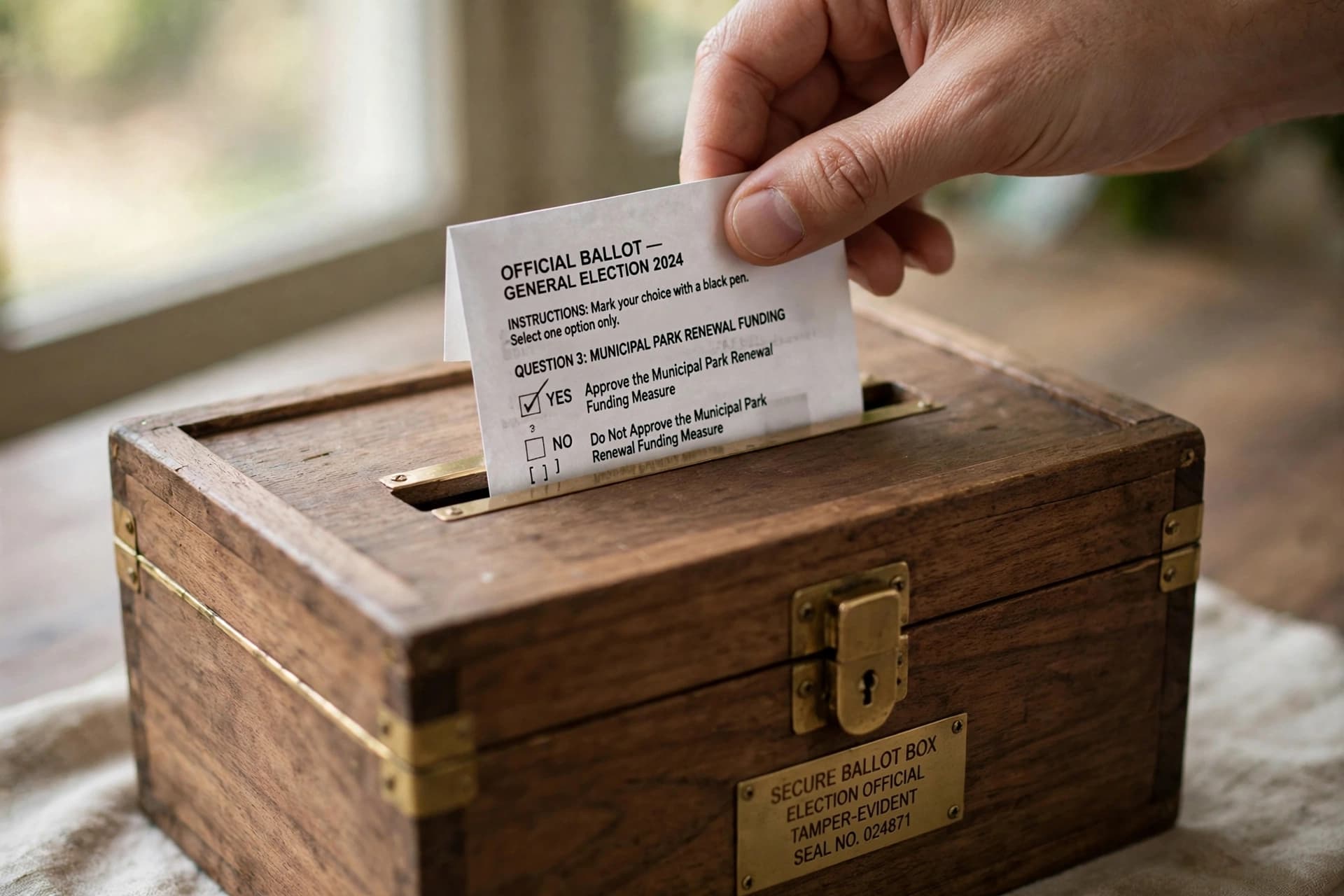
In the grand tapestry of American democracy, few threads are as delicate yet essential as the right to cast a ballot. Recent rulings from the highest court in the land have offered a momentary sigh of relief to advocates of electoral access, yet this respite feels less like a solid foundation and more like a temporary shelter from an ongoing storm. The decision, while technically a victory for those who champion broad voting participation, carries within it the seeds of future contention, reminding us that legal precedents are often living entities rather than static monuments.
The court’s latest intervention centered on the timing and implementation of new mail-in ballot regulations, a subject that has become increasingly polarized in recent years. By focusing narrowly on procedural deadlines rather than the broader philosophical questions of voter eligibility, the justices managed to sidestep a deeper ideological rift. This approach allowed for a consensus that might otherwise have been impossible, creating a narrow pathway through which voting rights could momentarily breathe easier. However, the fragility of this agreement is palpable, resting on technicalities that may not withstand the pressure of future political cycles.
The significance of this ruling lies not just in its immediate effect but in what it leaves unresolved. For decades, the Voting Rights Act served as a bulwark against discriminatory practices, yet its protections have been steadily eroded by successive judicial interpretations. The current decision does little to reverse that trend, instead offering a specific remedy for a specific moment. It is akin to patching a leak in a dam while ignoring the structural cracks that threaten the entire edifice. Advocates celebrate the preservation of mail-in voting access for the upcoming midterms, but they do so with a cautious eye toward the horizon.
Critics argue that the court’s reluctance to address the substantive merits of voting restrictions sets a dangerous precedent. By prioritizing procedural timing over the fundamental right to participate, the judiciary may inadvertently signal that administrative convenience outweighs democratic inclusion. This perspective suggests that the win is indeed fragile, built on sand rather than stone. As state legislatures continue to experiment with new election laws, the absence of a robust federal standard leaves voters in a patchwork of differing regulations, where geography often dictates the ease of civic engagement.
The political ramifications of this decision are equally complex. For one side, it represents a thwarted attempt to tighten election security measures that they argue are necessary to maintain public trust. For the other, it is a reminder that the battle for voting rights is far from over, requiring constant vigilance and legislative action at both state and federal levels. The court’s decision effectively kicks the can down the road, allowing the debate to continue in the arena of public opinion and legislative halls rather than being settled definitively in the courtroom.
Moreover, the human element of this legal drama cannot be overlooked. Behind every statistic and legal brief are millions of citizens who rely on accessible voting methods to make their voices heard. For elderly voters, those with disabilities, and working families, mail-in ballots are not just a convenience but a necessity. The uncertainty surrounding these provisions creates a climate of anxiety, where individuals worry that their ability to participate may be stripped away by the next judicial twist or legislative maneuver. This emotional toll is a silent cost of the ongoing legal wrangling.
As we look toward the future, the real test will come when the procedural shields of this ruling are challenged by new legal strategies. The conservative majority on the court has shown a willingness to reinterpret civil rights laws in ways that prioritize state autonomy over federal oversight. This trajectory suggests that the current victory may be short-lived, serving only as a pause before the next wave of litigation. The resilience of voting rights will depend not just on judicial outcomes but on the sustained commitment of citizens to protect their democratic institutions.
Ultimately, the health of a democracy is measured by the inclusivity of its processes. While the Supreme Court has provided a temporary reprieve, the underlying tensions remain unaddressed. The fragility of this win serves as a cautionary tale, reminding us that rights once granted can be easily constrained if not actively defended. The coming years will reveal whether this moment marks a turning point toward greater protection or merely a brief interlude in a long struggle for equitable access.
As the nation prepares for future elections, the focus must shift from judicial reliance to civic engagement. The court has spoken, but its voice is one among many in the chorus of democracy. It is now up to legislators, activists, and voters to ensure that the right to vote remains not just a legal possibility but a practical reality for all Americans, regardless of the shifting tides of judicial interpretation.
AI Image Disclaimer: The accompanying visual representations are generated by artificial intelligence to illustrate the thematic concepts discussed in this article.
Sources: The Guardian Brennan Center for Justice Associated Press Democracy Docket
Published by Banx Network. This article is part of the Banx decentralized media programme, powered by the BXE token on the XRP Ledger.