The vast prairies of Alberta, usually defined by their open horizons and steady winds, are currently swept by a different kind of turbulence. As the province approaches a pivotal non-binding referendum on its role within Canada, the atmosphere has become charged with intense emotion. Campaign trails are no longer just about policy debates; they have become arenas where deep-seated fears and hopes collide. For many Albertans, this vote is not merely a political exercise but a profound questioning of identity, belonging, and the future of their place in Confederation. It is a moment that demands both courage and compassion.
The campaign has been marked by a stark division between those who advocate for greater autonomy or even separation, and those who believe in strengthening ties with the rest of Canada. Rallies are filled with passionate speeches, lawn signs dot the landscapes like colorful flags of allegiance, and social media buzzes with hyperbolic warnings. The rhetoric can be sharp, but beneath the surface lies a shared anxiety about economic stability, cultural recognition, and political influence. This emotional intensity reflects the high stakes perceived by voters on both sides of the issue.
Fear plays a significant role in the current discourse. Some worry that staying in Canada means continued marginalization and economic disadvantage. Others fear that leaving could lead to isolation, financial instability, and the loss of national support systems. These concerns are not abstract; they are rooted in real experiences of resource booms and busts, federal policies, and regional grievances. Acknowledging these fears is essential for any meaningful dialogue. It requires listening without judgment and seeking understanding rather than victory.
Yet, amidst the division, there are also powerful calls for unity. Community leaders, indigenous elders, and ordinary citizens are urging Albertans to remember their shared values and history. They emphasize that regardless of the vote’s outcome, neighbors must continue to live and work together. Initiatives aimed at fostering dialogue and mutual respect are gaining traction, offering a counter-narrative to the polarization. These efforts highlight the resilience of community bonds in the face of political uncertainty.
The referendum itself is non-binding, meaning it will not automatically change Alberta’s legal status. However, its symbolic weight is immense. A strong vote for change could pressure the federal government to negotiate new terms of union, while a vote to stay could reinforce the status quo. The result will send a clear message about the mood of the province. It is a democratic tool that allows voices to be heard, even if the path forward remains complex and uncertain.
Political analysts note that apathy is perhaps the greatest enemy of a healthy democracy. When citizens feel disconnected or powerless, they disengage, leaving decisions to the most vocal minorities. The high emotional engagement in this campaign, despite its challenges, suggests that Albertans care deeply about their future. This engagement, if channeled constructively, can lead to more responsive governance and stronger civic participation. It is a sign of a vibrant, if troubled, democratic spirit.
As the voting day approaches, the tone of the campaign is shifting towards reflection. Candidates are beginning to speak less about defeating opponents and more about healing divides. They recognize that the referendum is a chapter in a longer story, one that will continue regardless of the result. The goal is to ensure that when the ballots are counted, the province remains intact, not just politically but socially. Unity is not the absence of disagreement but the presence of respect.
In the end, the Alberta referendum is a testament to the complexity of modern federalism. It highlights the tensions between regional identity and national unity, between autonomy and cooperation. As Albertans prepare to cast their votes, they carry with them the weight of history and the hope for a better future. The outcome will be significant, but the process itself offers valuable lessons in democracy, dialogue, and the enduring power of community.
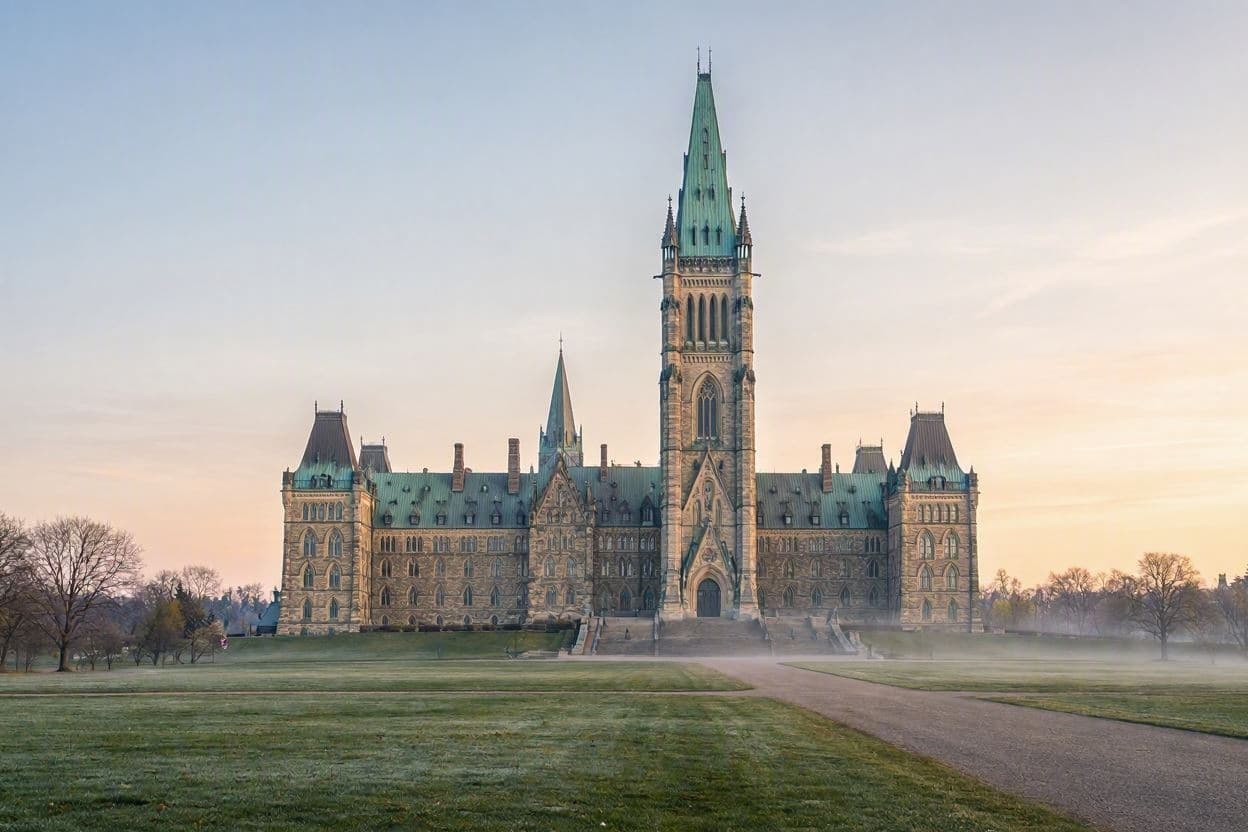
AI Image Disclaimer: The visual representations included here are AI-generated illustrations designed to depict rural landscapes and community gatherings, not actual photographs of specific rallies or campaign events in Alberta.
Sources: CBC News Yahoo News Ground News
Published by Banx Network. This article is part of the Banx decentralized media programme, powered by the BXE token on the XRP Ledger.