In the hallowed halls of the White House, where press briefings have long served as a bridge between the presidency and the public, a new tension has arisen. President Donald Trump’s decision to ban reporters from certain media outlets has sparked a constitutional debate. Senator John Barrasso, a prominent Republican, has defended the move, stating that it does not violate the Constitution. His remarks reflect a broader partisan divide over the role of the press and the limits of executive power. It is a moment that tests the foundations of democratic accountability.
The bans target specific organizations, citing unfair reporting and bias as justification. Supporters argue that the President has the right to control access to his workplace, much like any private entity. They contend that the First Amendment protects speech from government censorship but does not guarantee access to official events. Barrasso emphasized this distinction, suggesting that the press has an obligation to report fairly to maintain privilege. This perspective challenges traditional norms of open government.
Critics, however, view the bans as an attack on press freedom. They argue that excluding journalists undermines the public’s right to know and creates a chilling effect on investigative reporting. Legal experts point to precedents that protect press access as essential for a functioning democracy. The Supreme Court has historically recognized the importance of a free press in holding power accountable. By restricting access, the administration may be crossing a constitutional line, regardless of intent.
The political implications are significant. For Republicans, defending the President’s actions is a matter of loyalty and strategy. They frame the issue as a battle against "fake news" and media elitism. For Democrats, it is a defense of democratic principles. The divide reflects deeper societal fractures, where truth itself is contested. In this environment, the role of journalism becomes even more critical, yet more precarious. It is a struggle for the soul of public discourse.
For the affected journalists, the bans are a professional and personal blow. Being barred from the White House limits their ability to ask questions and gather information. It isolates them from the center of power, forcing them to rely on secondary sources. This exclusion can distort coverage, leaving gaps in the public record. Many have vowed to continue their work despite the obstacles, demonstrating resilience and commitment to their craft.
Public opinion is divided. Some Americans support the bans, believing that certain media outlets are biased and untrustworthy. Others see them as dangerous precedents that threaten free speech. Polls show a partisan split, with Republicans largely approving and Democrats opposing. This polarization makes resolution difficult, as each side interprets events through different lenses. Bridging this gap requires dialogue and mutual respect, which are currently in short supply.
The legal community is monitoring the situation closely. Lawsuits may be filed to challenge the bans, arguing that they violate the First Amendment or administrative law. Courts will have to weigh the President’s authority against press rights. The outcome could set important precedents for future administrations. It is a test of the judiciary’s role in protecting democratic norms. The stakes are high for both the press and the presidency.
In the end, Senator Barrasso’s defense of the bans highlights the complexity of modern governance. It raises questions about balance, fairness, and freedom. As the debate continues, the hope is for a resolution that respects both executive authority and press independence. The White House should be a place of transparency, not exclusion. The press serves the people, and its access is vital for a healthy democracy.
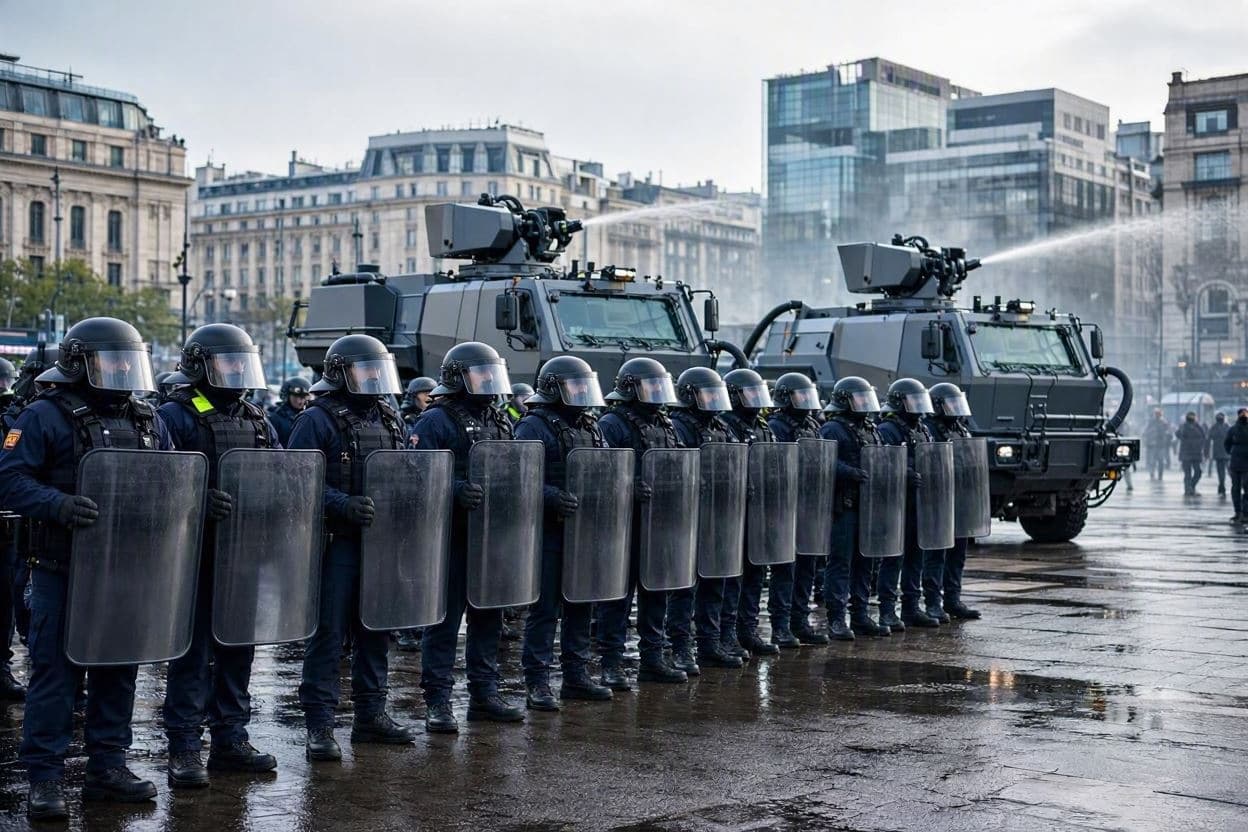
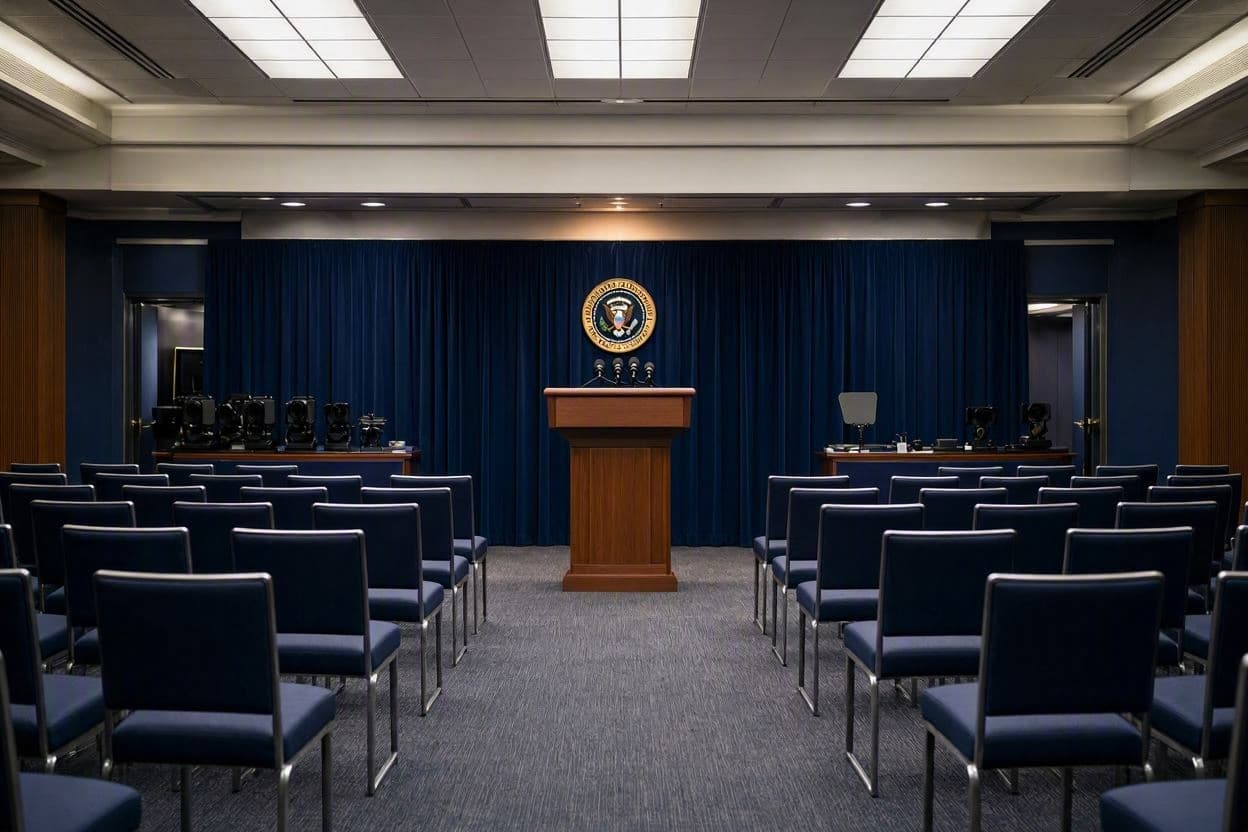
AI Image Disclaimer: The visual aids included here are AI-generated illustrations depicting the White House and press conference themes, not actual photographs of Senator Barrasso or specific banned reporters.
Sources: NBC News The Hill Ground News
Published by Banx Network. This article is part of the Banx decentralized media programme, powered by the BXE token on the XRP Ledger.