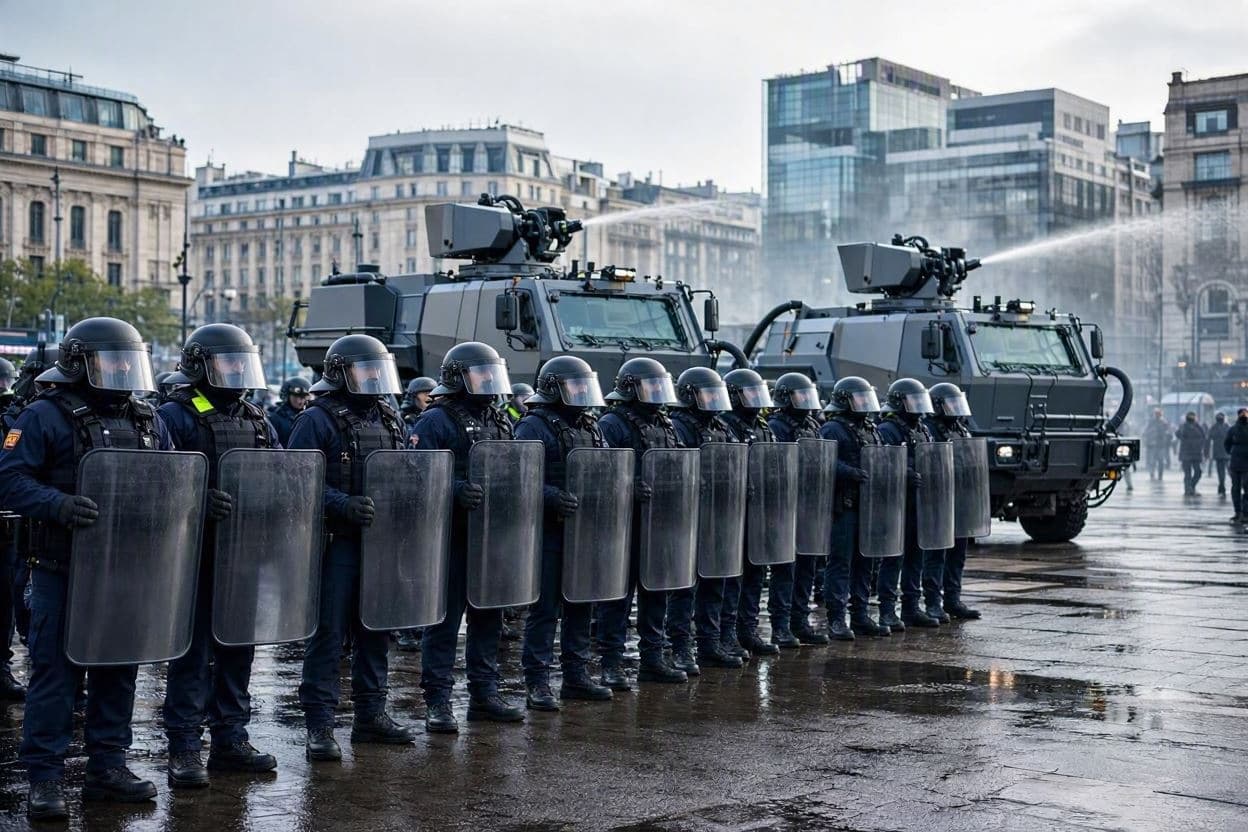
The streets of The Hague, usually a symbol of international justice and diplomacy, became a stage for confrontation on Saturday. Dutch riot police moved to disperse several hundred far-right protesters after violence erupted during an anti-immigration rally. Organized by the group "We Are the People," the demonstration quickly escalated, prompting authorities to ban the gathering and use water cannons, tear gas, and police dogs to restore order. It was a stark reminder of the tensions simmering beneath the surface of modern European society.
The protest began with speeches criticizing government immigration policies, but soon turned chaotic. Clashes broke out between demonstrators and law enforcement, with projectiles thrown and barriers breached. Police responded with firmness, aiming to prevent further escalation and protect public safety. Twenty-four arrests were made for offenses including disobeying police orders and inciting violence. The swift action underscored the zero-tolerance approach to disorder in the Netherlands.
For residents of The Hague, the scene was unsettling. The city, home to international courts and embassies, prides itself on openness and rule of law. Seeing riot gear and water cannons in its historic center was a jarring contrast to its usual calm. Local officials expressed regret over the violence, emphasizing that peaceful protest is a right, but violence is not. They called for dialogue and restraint from all sides.
The far-right movement in Europe has gained momentum in recent years, fueled by economic uncertainty and cultural anxieties. Groups like "We Are the People" tap into these sentiments, organizing rallies that often draw large crowds. While many participants may have legitimate concerns, the presence of extremist elements can lead to radicalization and unrest. Balancing free speech with public order is a delicate task for democracies.
Political leaders condemned the violence, urging citizens to reject hatred and division. Prime Minister Mark Rutte’s successor and other officials emphasized the importance of unity and respect for diversity. They argued that democratic solutions, not street violence, are the path to addressing societal challenges. This message resonated with many, who viewed the protest as counterproductive to genuine political engagement.
Media coverage of the event highlighted the intensity of the clashes, broadcasting images of smoke and chaos. These visuals sparked debate online, with some supporting the police action and others criticizing the use of force. The polarization reflects broader societal divides, making consensus difficult. However, the majority of Dutch citizens favor stability and lawful protest, rejecting extremism in any form.
Community leaders have called for initiatives to bridge divides and foster understanding. Dialogue forums, educational programs, and community events aim to address the root causes of discontent. By engaging with marginalized groups and listening to their concerns, society can reduce the appeal of extremist narratives. It is a long-term effort that requires patience and empathy.
In the end, the dispersal of the protest in The Hague was a necessary step to maintain order. It reaffirmed the principle that democracy thrives on peace, not violence. As the city returns to normal, the hope is for constructive dialogue to replace confrontation. The streets of The Hague remain a symbol of justice, and their integrity must be protected. Peace is a collective achievement.
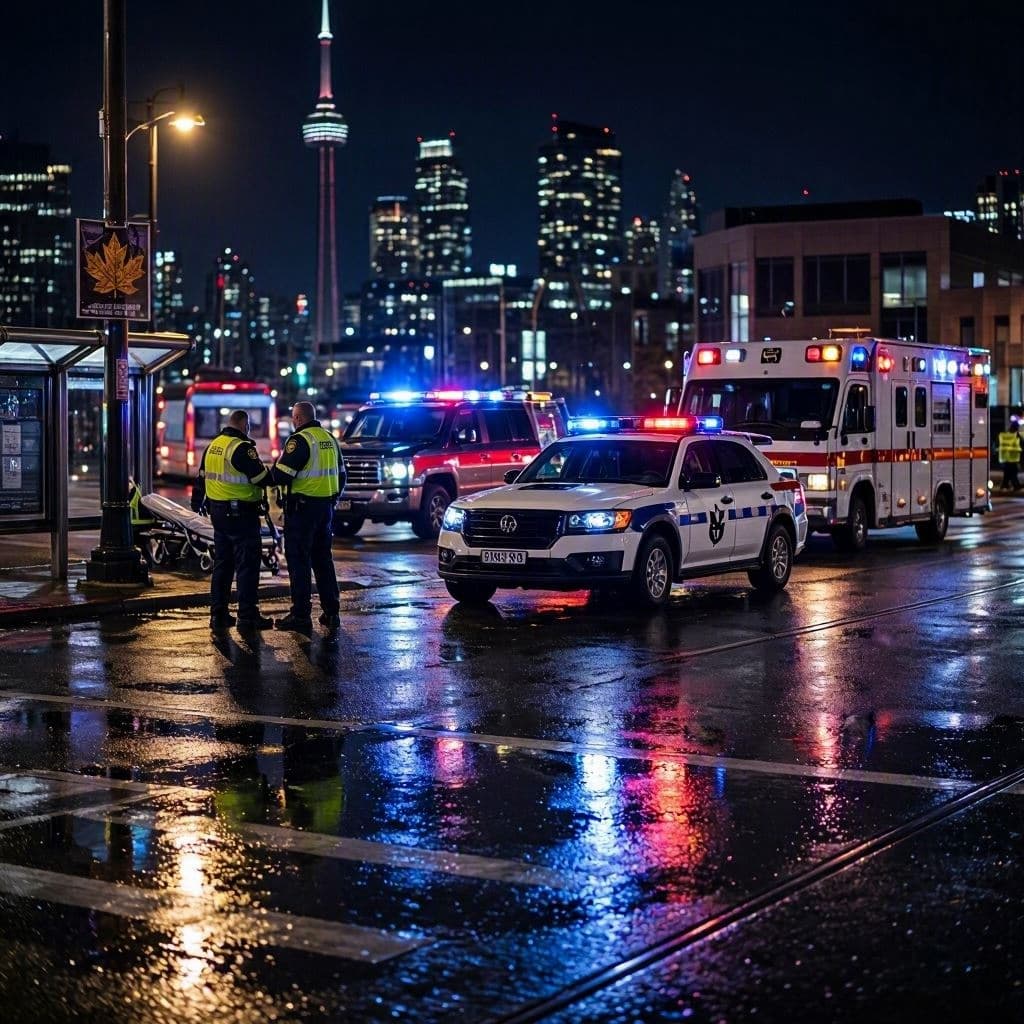
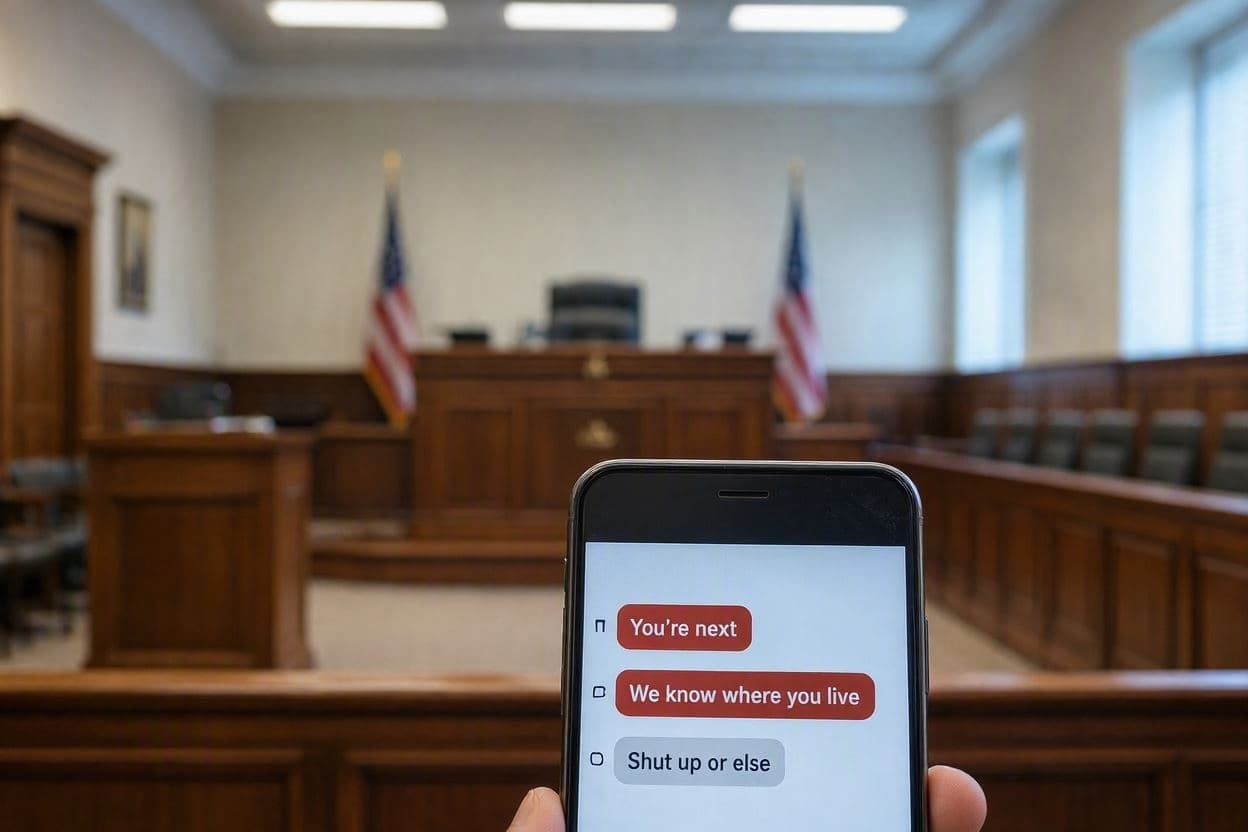
AI Image Disclaimer: The visual aids included here are AI-generated illustrations depicting urban protest scenes and police presence, not actual photographs of the specific incident or individuals involved.
Sources: AP News The Guardian Euronews
Published by Banx Network. This article is part of the Banx decentralized media programme, powered by the BXE token on the XRP Ledger.