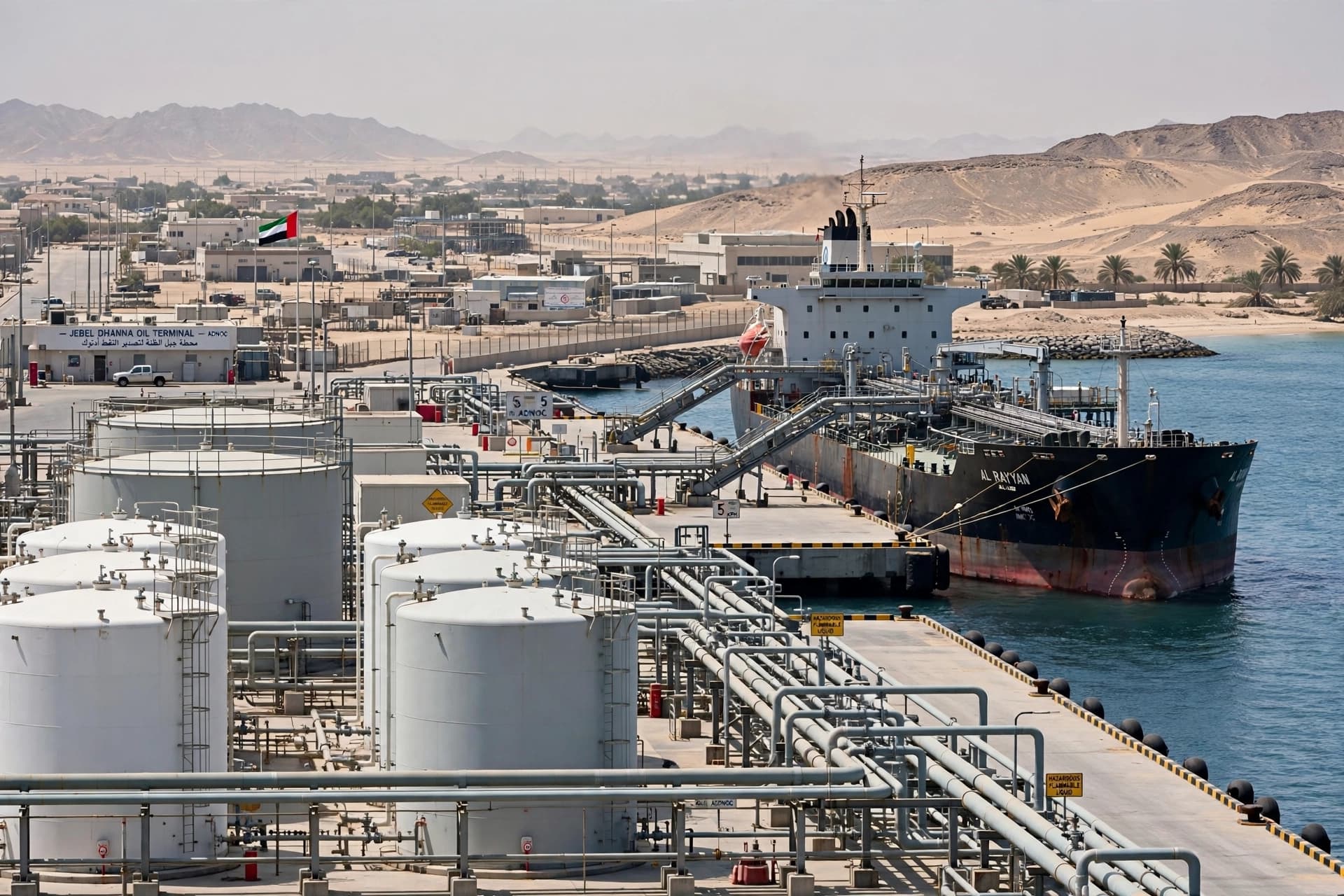
Reuters has reported that Middle Eastern oil exports exceeded prewar levels despite continued attacks on tankers. The increase suggests that producers and shipping operators have found ways to restore significant volumes of trade, even as security concerns remain.
Higher export volumes can ease some pressure on global energy markets. When more crude oil reaches refineries and buyers, concerns about immediate shortages may lessen, although the effect on prices depends on demand, inventories and expectations about future supply.
The recovery also shows how energy markets can adapt to disruption. Producers may adjust schedules, buyers can seek alternative cargoes, and shipping companies may revise operating arrangements to keep trade moving where conditions allow.
Yet the return of exports does not remove the risks associated with maritime attacks. A single incident can delay a vessel, damage equipment or cause operators to reassess whether a route remains commercially viable.
Shipping costs are part of the calculation. Insurance premiums, security arrangements and changes to voyage planning can increase the expense of moving cargo, even when the overall volume of oil being exported is rising.
The consequences extend beyond crude oil. Petroleum products and other goods also depend on the region's maritime infrastructure, while changes in fuel costs can affect aviation, road transport, manufacturing and household energy bills.
Energy markets are especially sensitive to the difference between current supply and future risk. Strong export figures may indicate that the system is functioning, but traders also consider whether attacks could intensify or whether shipping routes might become more difficult to use.
Governments and companies therefore continue to monitor both the flow of cargoes and the security environment. Strategic reserves, diversified suppliers and flexible purchasing arrangements can help importing countries respond to unexpected disruptions.
For producers, maintaining exports is important not only for revenue but also for relationships with international customers. Consistent deliveries can support confidence, while repeated interruptions may encourage buyers to diversify their sources over time.
The latest figures present a mixed picture: the region's oil trade has demonstrated an ability to recover, but the conditions surrounding that recovery remain uncertain. Global markets will continue to watch whether higher export volumes can be sustained without further disruption to shipping.
AI Image Disclaimer
This AI-generated illustration provides a general visualization of regional oil transportation and does not depict an actual tanker, port or export shipment.
Sources
Reuters International Energy Agency OPEC International Maritime Organization
Published by Banx Network. This article is part of the Banx decentralized media programme, powered by the BXE token on the XRP Ledger.