Reuters has reported that oil prices remained around $100 a barrel as risks to Middle Eastern supplies continued to influence the market. The level reflects persistent concern about whether current export flows can be maintained if maritime disruptions worsen.
The Middle East is central to global energy trade, supplying crude oil and petroleum products to markets across Asia, Europe and other regions. Any uncertainty surrounding production or transportation can therefore affect expectations far beyond the immediate area.
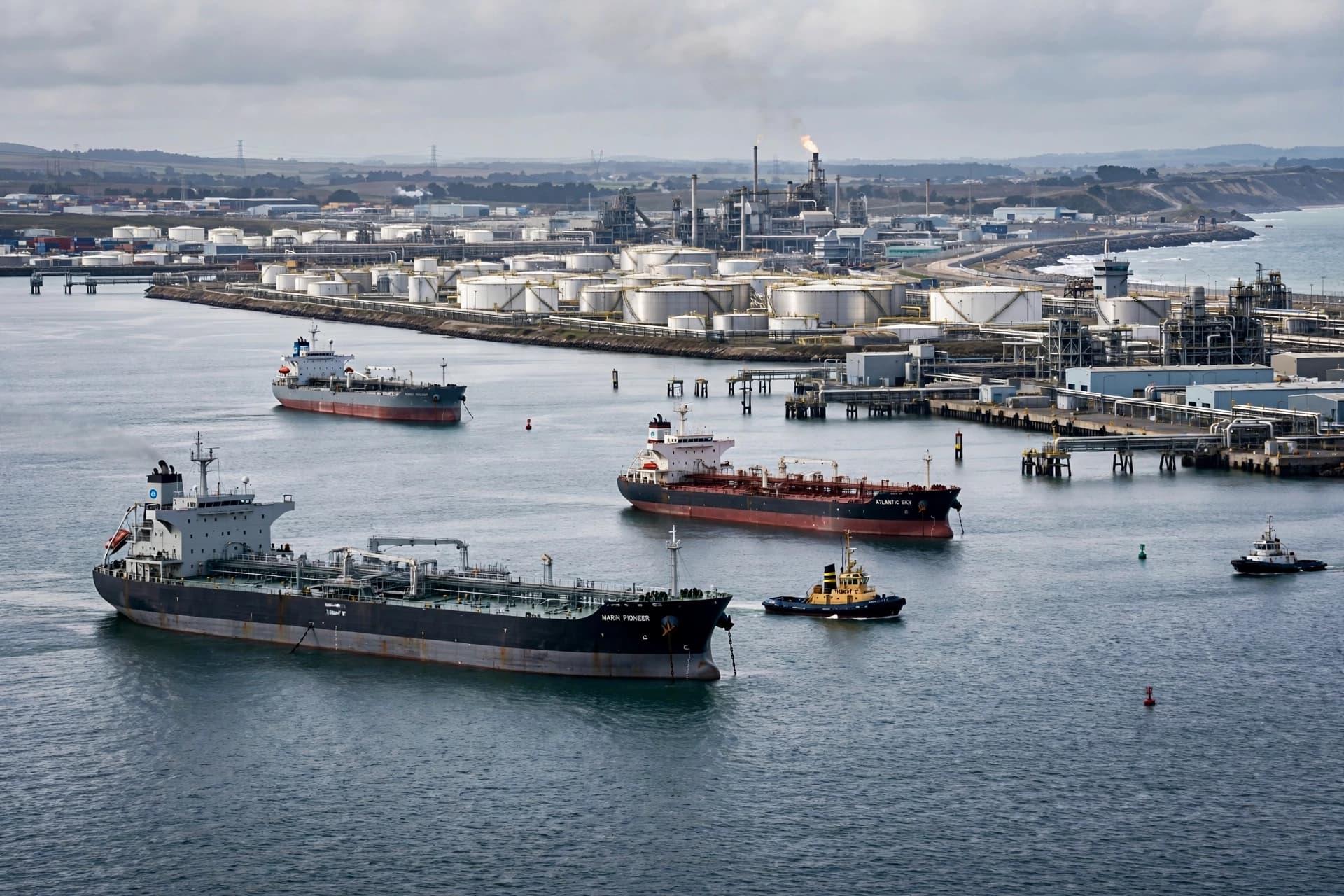
The Strait of Hormuz is particularly important because it serves as a major route for oil shipments leaving the Persian Gulf. When attacks or security concerns complicate tanker movements, traders must consider the possibility of delayed deliveries or reduced supply.
Oil prices also depend on how much spare capacity and inventory are available elsewhere. Strategic reserves and alternative suppliers can help soften the impact of disruptions, but they may not fully offset a prolonged interruption affecting a major export corridor.
For consumers, higher crude prices can eventually influence the cost of gasoline, diesel, aviation fuel and other petroleum products. The speed and size of those effects vary by country, depending on taxes, refining capacity, currency movements and the way local fuel prices are set.
Businesses face similar uncertainty. Airlines, shipping companies, logistics operators and manufacturers often use fuel in significant quantities, so prolonged increases can place pressure on costs and influence investment decisions.
Yet a price near $100 does not mean every market participant expects a shortage. Traders also consider global economic growth, seasonal demand, refinery activity and the possibility that exports will recover more quickly than anticipated.
That creates a delicate balance. Stronger shipments can ease concerns, but persistent security risks may keep a premium in prices while uncertainty remains. Markets may respond sharply to new information, even when the underlying supply picture changes only gradually.
Governments and energy companies continue to monitor inventories, shipping conditions and production levels. Importing countries may review reserve policies or seek more diversified supply arrangements, while producers assess how reliably they can deliver cargoes to customers.
For now, oil prices remain a measure of both present conditions and future anxiety. The market is weighing the barrels already moving through global trade against the possibility that the next disruption could make them harder or more expensive to deliver.
AI Image Disclaimer
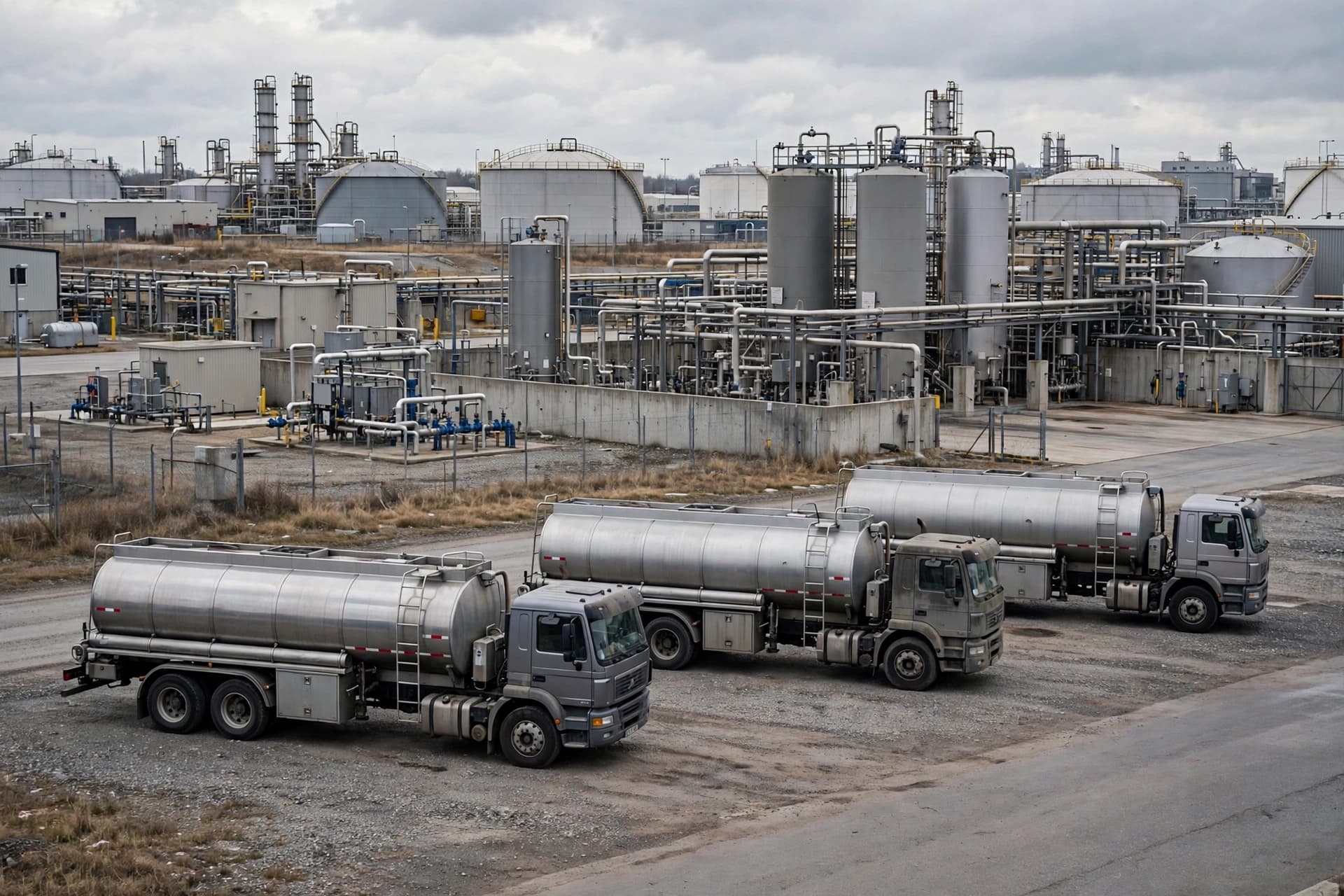
This AI-generated illustration is a general visualization of global oil markets and does not depict an actual trading screen or a specific price movement.
Sources
Reuters International Energy Agency OPEC U.S. Energy Information Administration
Published by Banx Network. This article is part of the Banx decentralized media programme, powered by the BXE token on the XRP Ledger.