
Reuters has reported that disruptions around the Strait of Hormuz have pushed the energy industry to look more closely at alternative export routes. The developments highlight how much international oil trade depends on a limited number of important transport corridors.
The Strait of Hormuz connects the Persian Gulf with the Gulf of Oman and the wider Indian Ocean. It is a critical passage for oil and petroleum products shipped from several major producing countries to international markets.
When the route becomes more difficult to use, energy companies have several possible responses. They may adjust tanker schedules, redirect available cargoes, increase storage or use pipelines and terminals that can move oil to other coastlines.
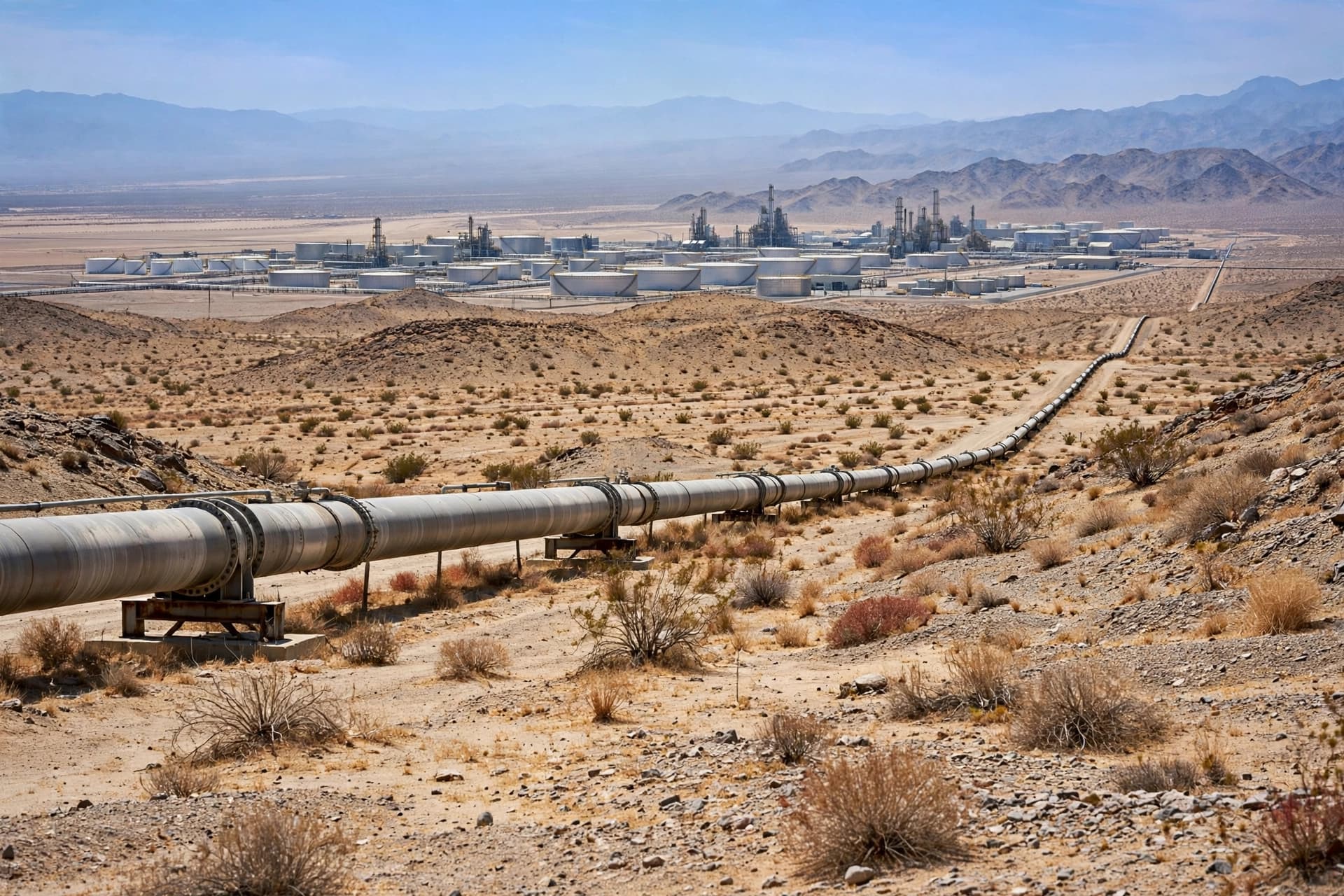
Pipelines can provide an alternative to maritime passage through a vulnerable strait, but their capacity is limited. Existing infrastructure may already be heavily used, and building new pipelines or expanding terminals requires substantial investment and time.
Alternative routes also come with their own costs. Longer journeys can require more fuel, additional vessels and greater working capital. Port capacity, local infrastructure and the availability of secure transport arrangements all influence whether a new route is practical.
For traders, the main concern is continuity. Refineries need predictable deliveries to plan production, while importing countries must consider whether supplies can arrive in sufficient quantities and at a reasonable cost.
Energy companies also need to distinguish between a temporary disruption and a lasting change in the security environment. Short-term adjustments may involve rerouting individual shipments, while prolonged uncertainty can encourage larger investments in storage, pipelines and alternative export facilities.
The wider consequences can extend into energy prices. Markets often respond to the possibility of a shortage before one occurs, especially when a disruption affects a route that carries a large share of global oil trade.
Diversifying transport options can improve resilience, but it cannot eliminate all risks. Pipelines can be damaged, ports can experience operational problems and alternative shipping routes can face their own security challenges.
For the energy industry, the current situation reinforces a long-standing lesson: reliable supply depends on more than the amount of oil underground. It also depends on the infrastructure that moves it, the security of that infrastructure and the ability to respond when familiar routes become uncertain.
AI Image Disclaimer
This AI-generated illustration is a conceptual depiction of energy transportation infrastructure and does not show an actual pipeline project or disrupted shipping route.
Sources
Reuters International Energy Agency OPEC International Maritime Organization
Published by Banx Network. This article is part of the Banx decentralized media programme, powered by the BXE token on the XRP Ledger.



