When the seas hold their breath, how does the world react to the silence?
Global oil prices jumped 5% following renewed tensions and threats to close the Strait of Hormuz, a critical chokepoint for world energy supplies.

Global oil prices jumped 5% following renewed tensions and threats to close the Strait of Hormuz, a critical chokepoint for world energy supplies.

The US economy added 57,000 jobs in June, falling short of market expectations and signaling a cooling labor market.

France hosts pivotal G7 discussions at VivaTech 2026, focusing on reducing European dependence on US AI models and cloud infrastructure.

The World Bank says public-private partnerships are helping cities attract capital, improve infrastructure, and create jobs worldwide.

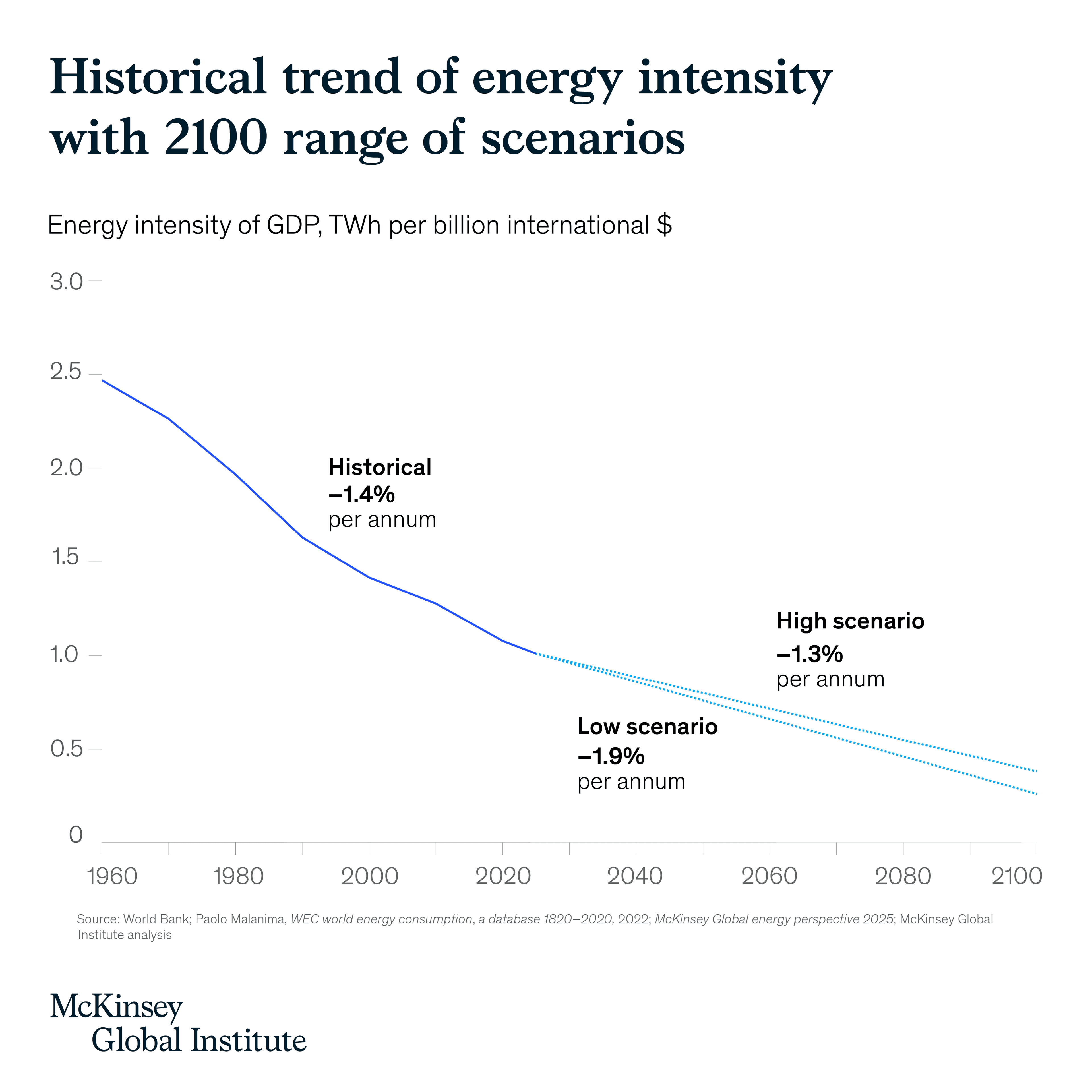
Global energy demand is projected to rise sharply by 2100, requiring major investments in clean energy, efficiency, and modern infrastructure.

Apple-OpenAI trade secrets dispute highlights the growing importance of intellectual property protection in the rapidly expanding AI industry.

A new report analyzing the 20 largest employers of low-wage workers finds many employees earn so little that they depend on public programs such as Medicaid and SNAP for basics like health care and food. The analysis also highlights stark pay gaps between workers and CEOs, arguing that the “poverty wage business model” leaves taxpayers picking up the tab

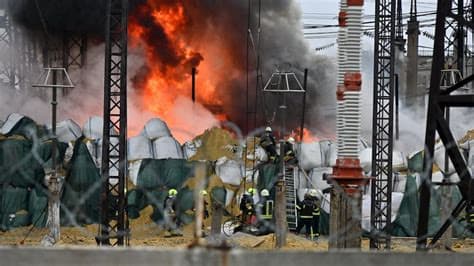
The IEA says Ukrainian drone attacks on Russia’s refineries, storage sites and transport infrastructure are pushing down Russia’s oil production outlook, with output forecast to average about 8.9 million barrels per day this year—roughly a 3% decline versus 2025.

Japan continues advancing high-performance materials through innovation in engineering, manufacturing, and industrial research.

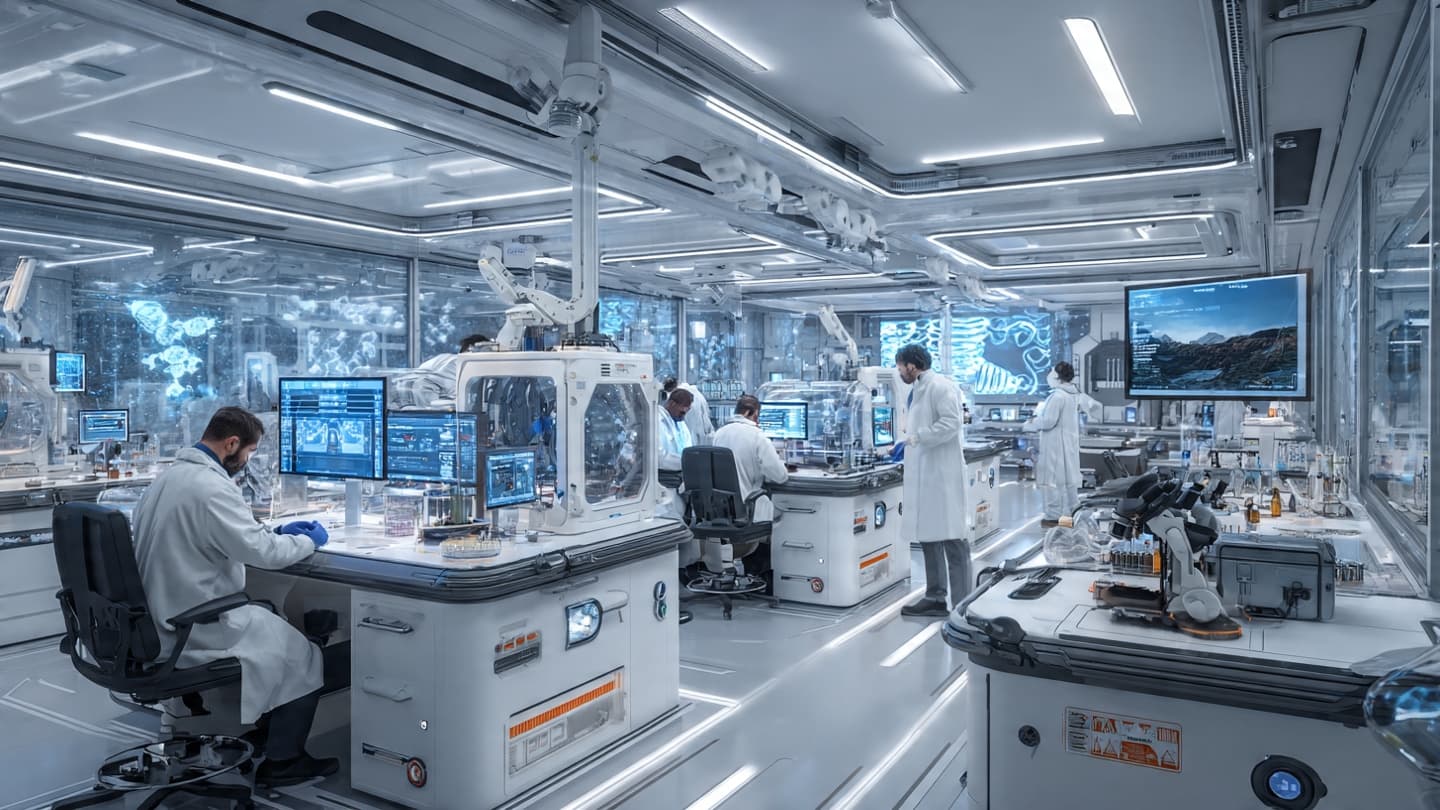
Japan's biotechnology industry continues expanding through advanced research, healthcare innovation, and scientific collaboration.

Japan's logistics industry continues expanding automation through robotics, AI, and smart warehouse technologies

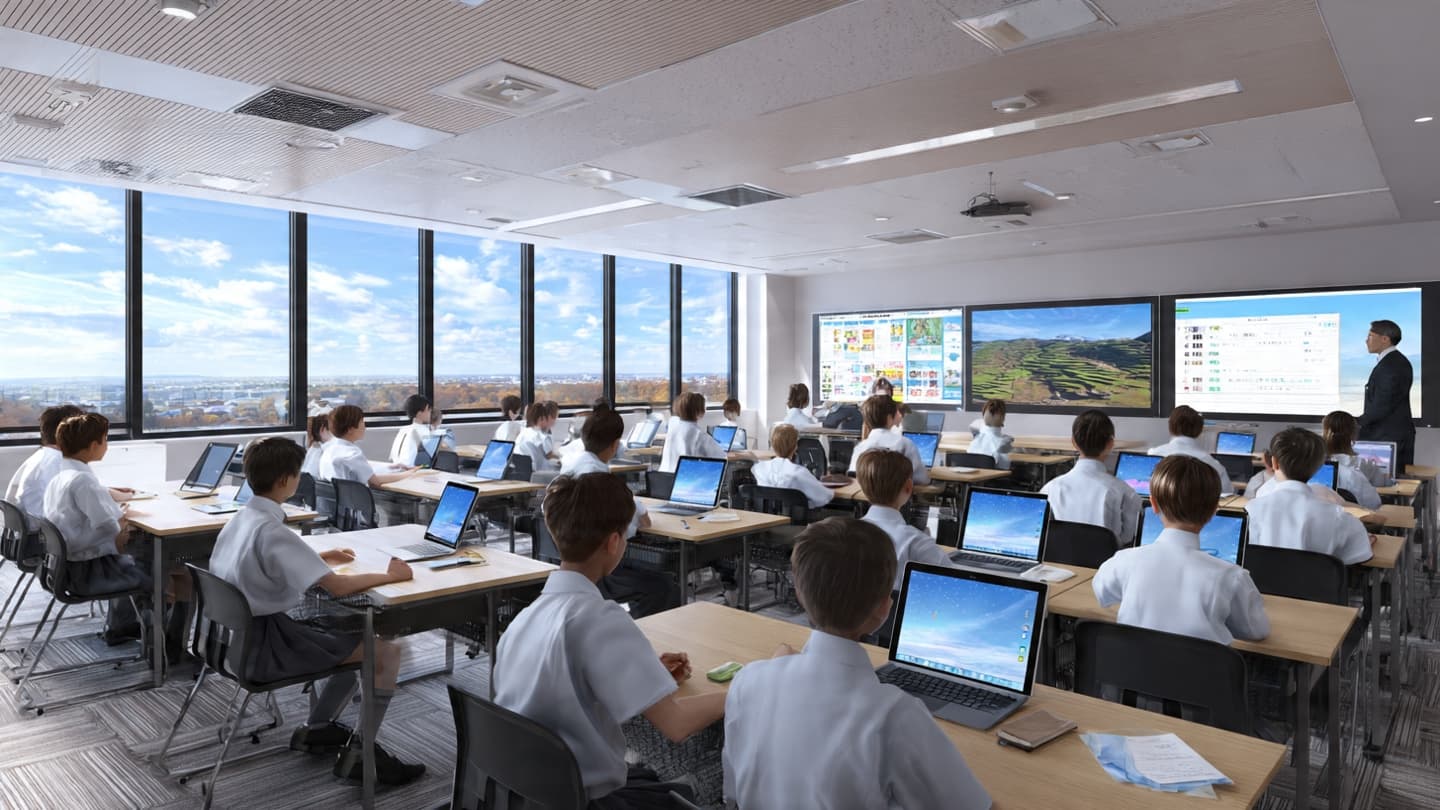
Japan's education technology sector continues expanding through AI, cloud learning, and digital classroom innovation.

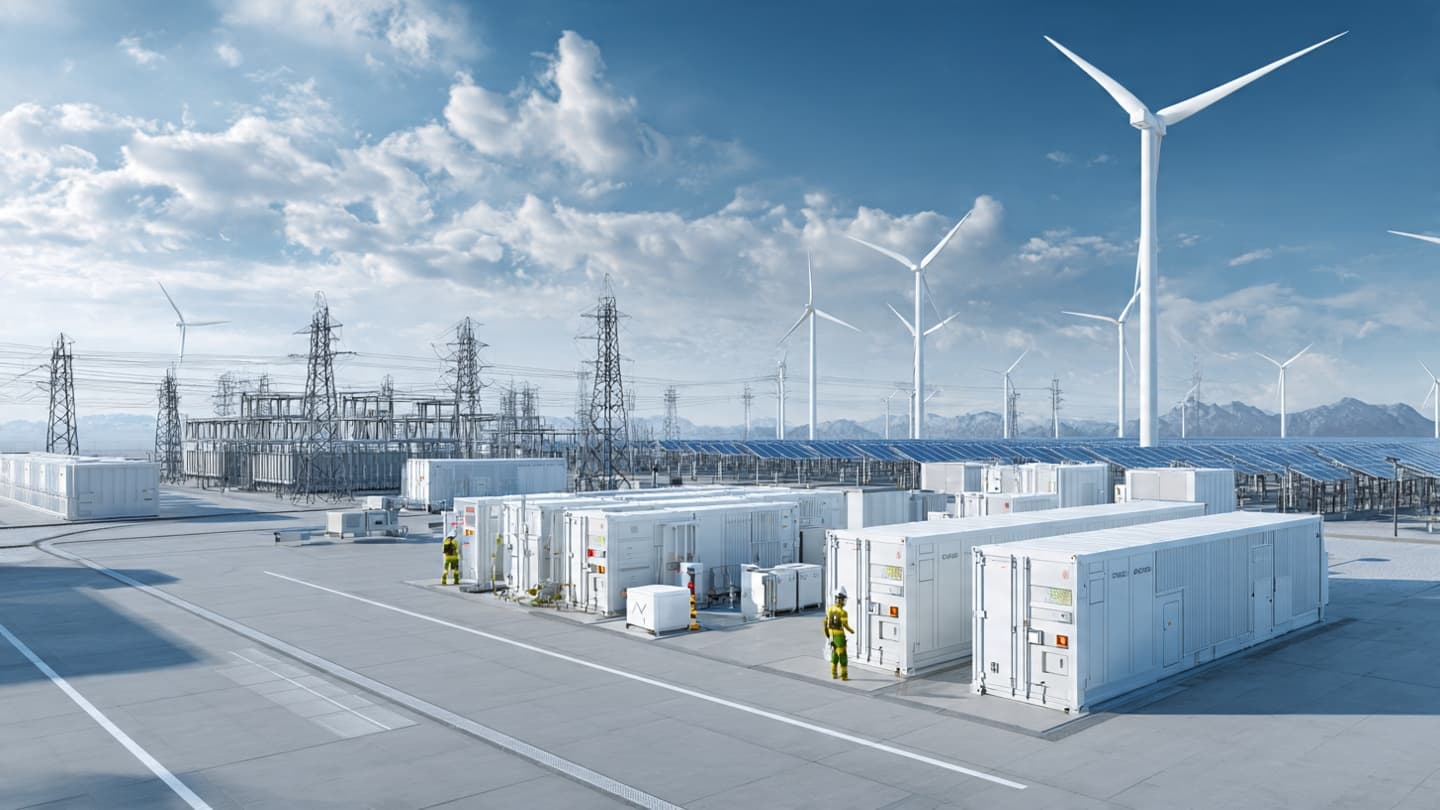
Japan continues expanding renewable energy storage through advanced battery innovation, grid modernization, and clean energy investment.

The IEA forecast that world oil demand will fall in 2026 for the first time in a year since 2020, citing disruption-related damage to consumption—especially fuel demand tied to transport and petrochemical feedstock—amid heightened geopolitical and energy-market uncertainty.

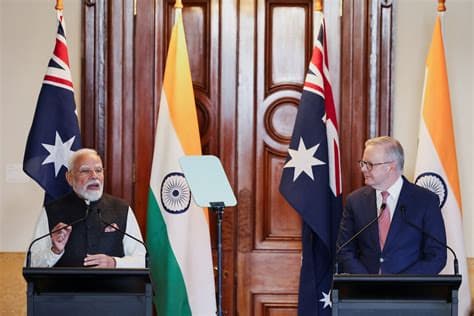
Australia and India agreed to export Australian uranium to India for nuclear power, as Prime Minister Narendra Modi visited Australia. The countries also said they would deepen cooperation in renewables, critical minerals and green hydrogen, while providing a new market for Australia’s uranium sector.

Japan's fintech industry continues expanding through digital banking, AI, cybersecurity, and modern financial services.

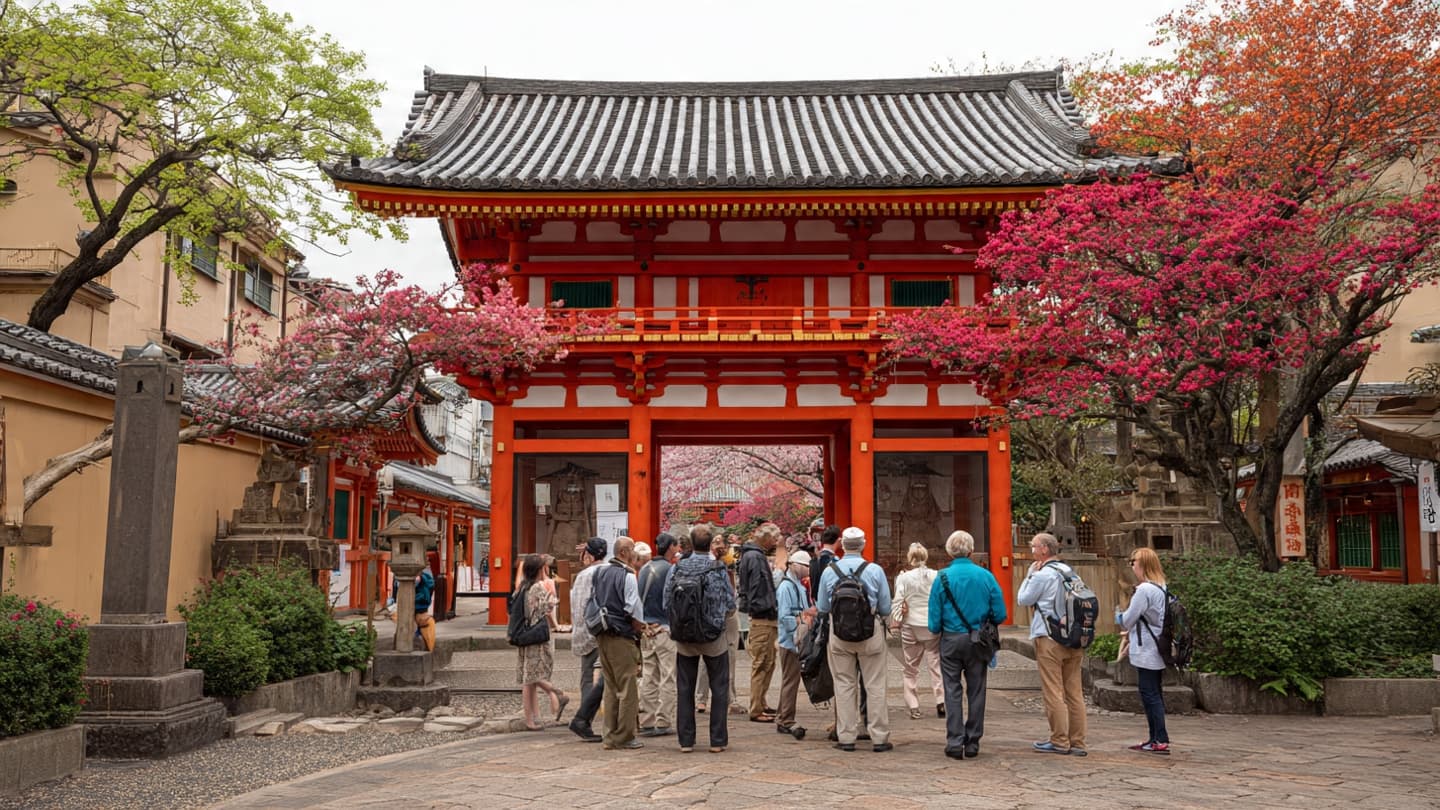
Japan's tourism industry continues growing through rising international travel, improved visitor services, and sustainable tourism initiatives.

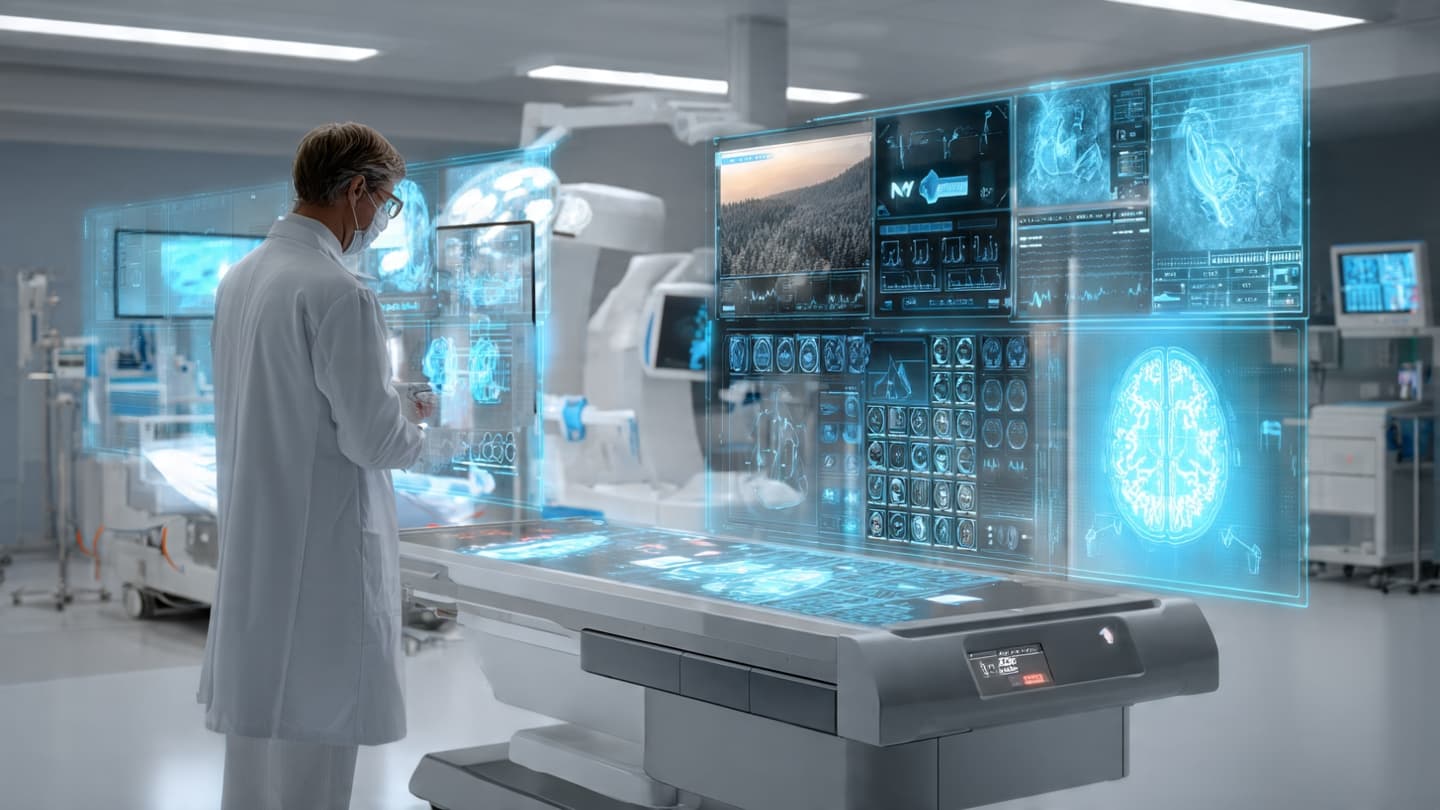
Japan's healthcare technology sector continues growing through AI, telemedicine, digital diagnostics, and medical innovation.

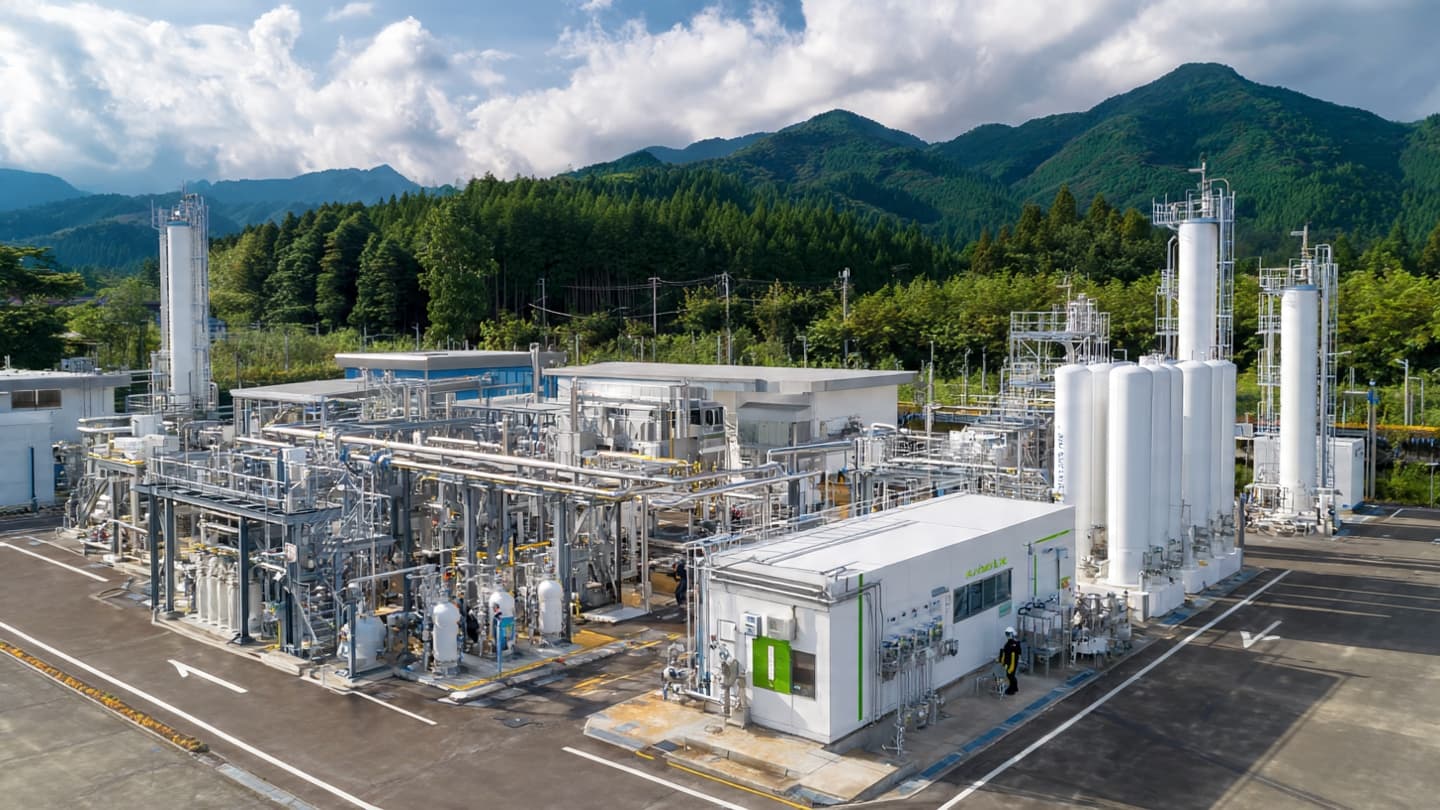
Japan continues expanding green hydrogen development through innovation, research, and investment in clean energy technologies.

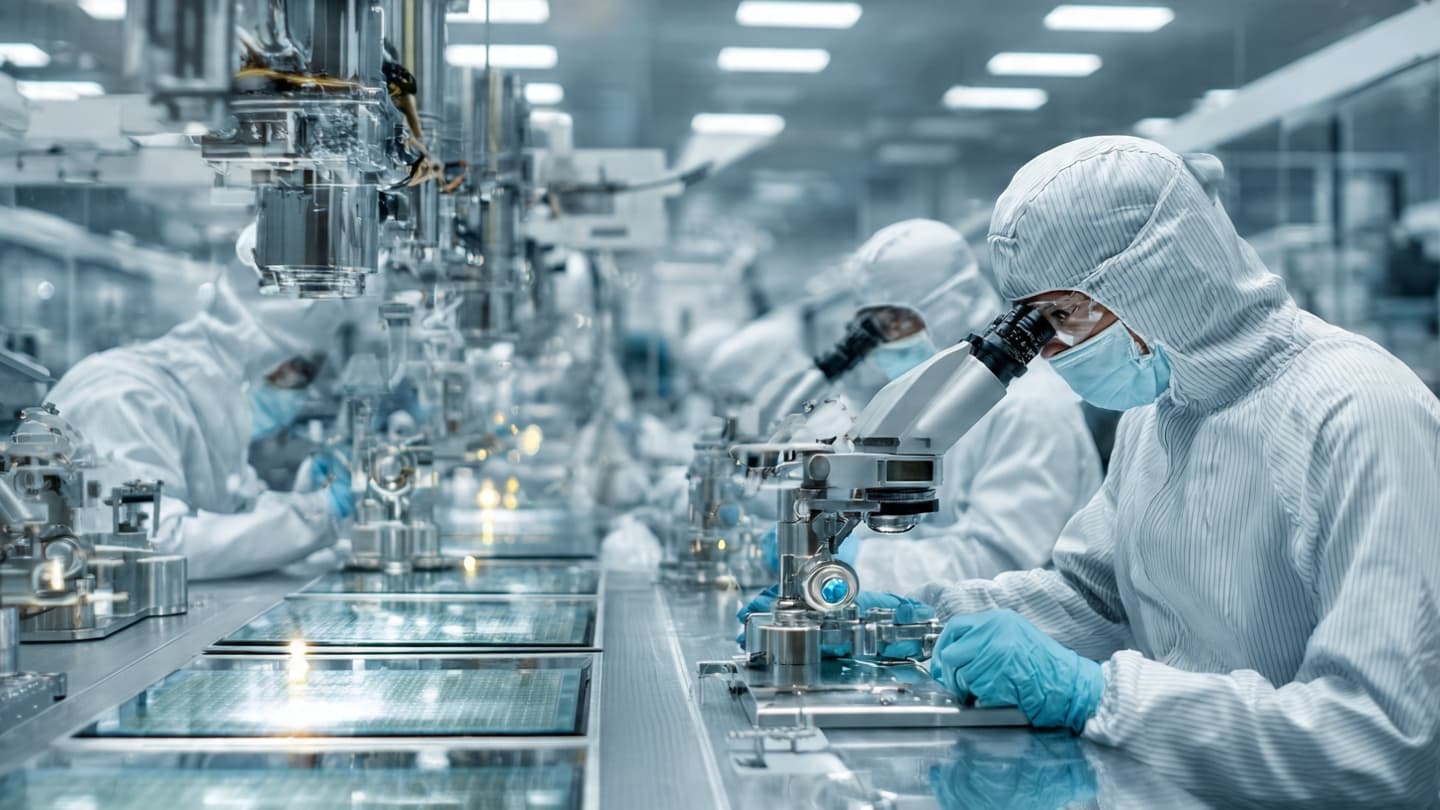
Japan continues investing in semiconductor manufacturing, research, and workforce development to support future technological innovation.

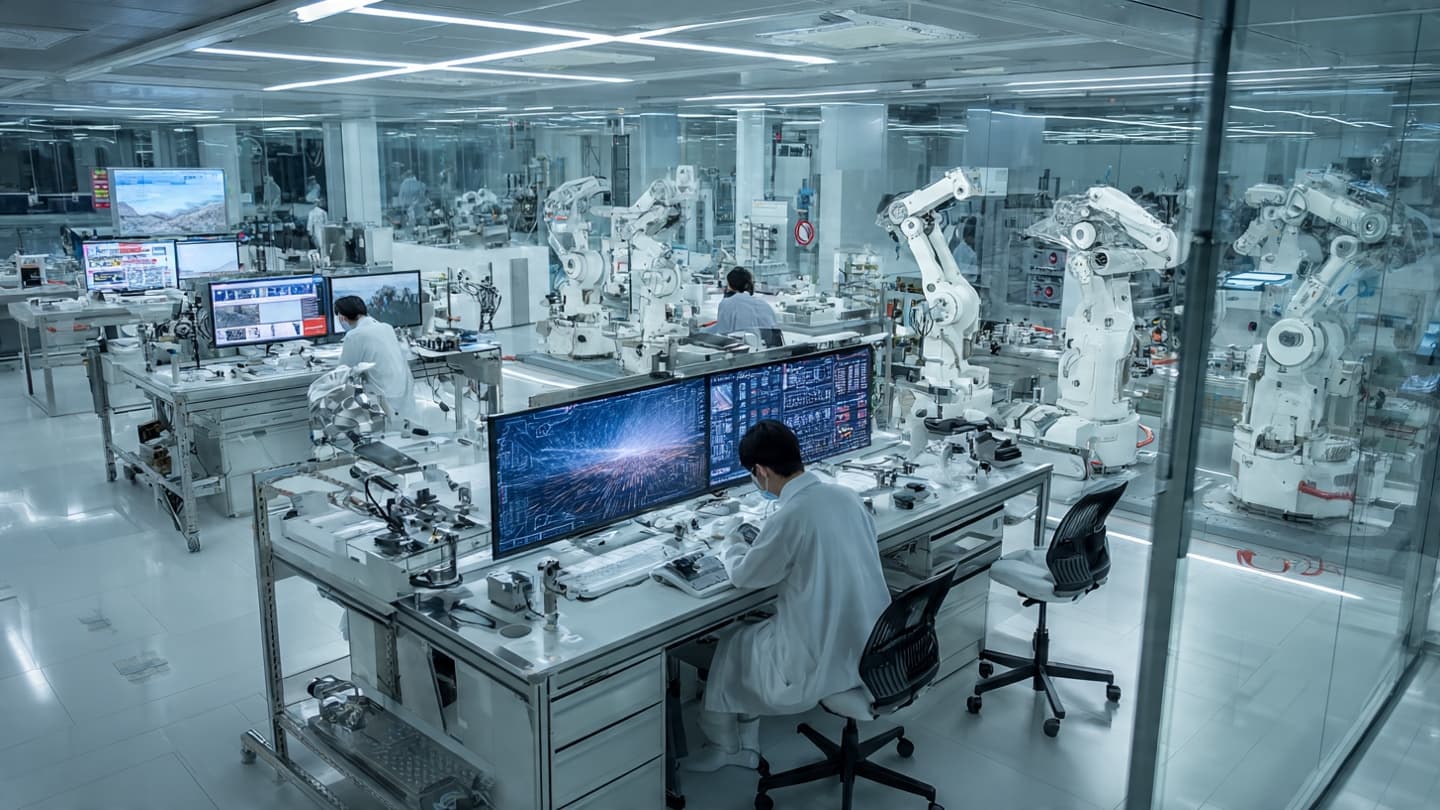
Japan's robotics industry continues expanding through AI, industrial automation, and advanced manufacturing technologies.

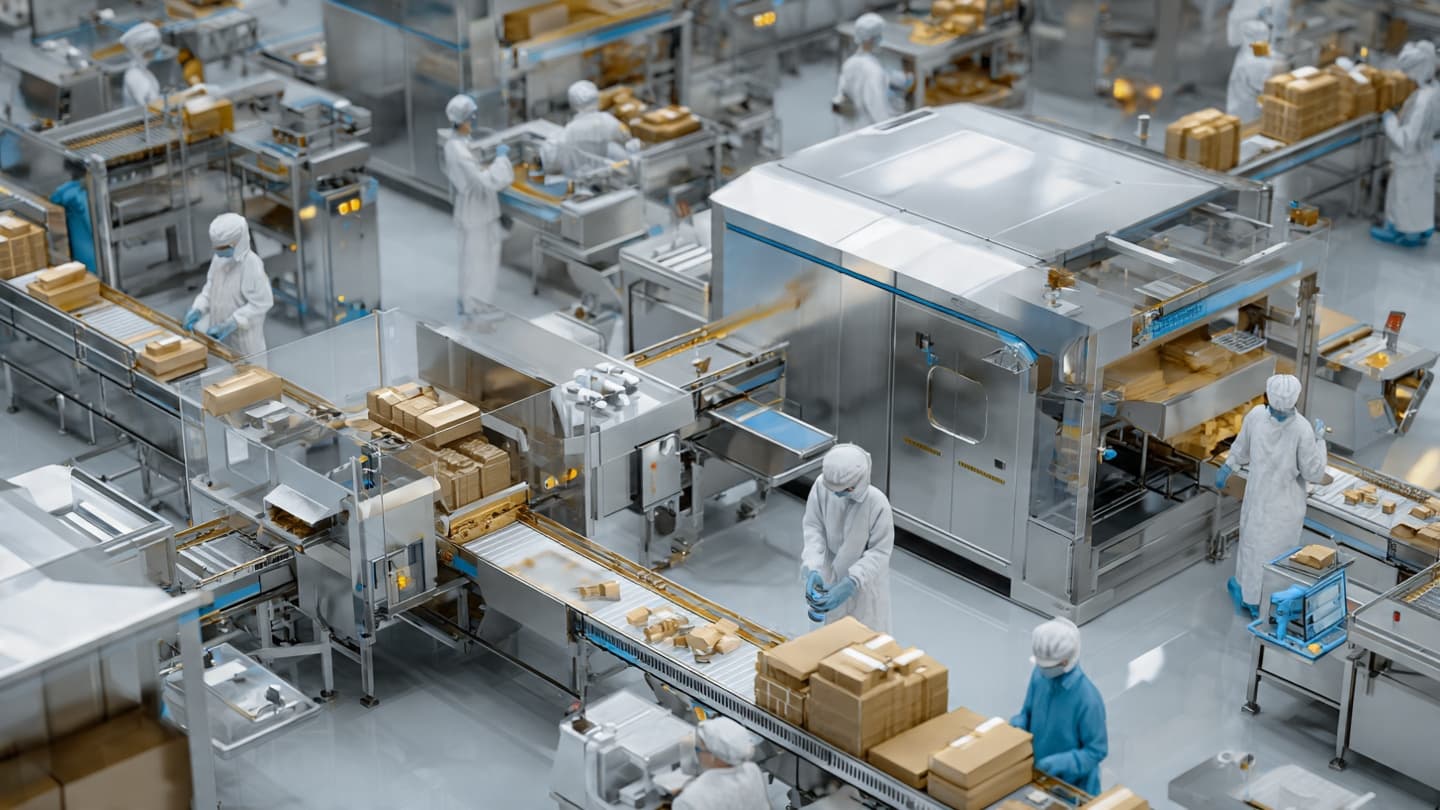
Indonesia's food processing industry continues expanding through modern manufacturing, export growth, and sustainable production.

Indonesia's healthcare technology industry continues expanding through telemedicine, AI, cloud computing, and digital medical services

Indonesia's cloud computing industry continues expanding through investment in infrastructure, cybersecurity, and enterprise digital transformation.