When Markets Pause to Reflect: The Story Behind a Day of Decline
US stock markets declined after the Federal Reserve maintained interest rates, as investors reassessed future economic and monetary policy expectations.

US stock markets declined after the Federal Reserve maintained interest rates, as investors reassessed future economic and monetary policy expectations.

New Federal Reserve Chair Kevin Warsh introduced a more data-focused policy framework, drawing attention from investors and economists worldwide.

The Federal Reserve kept interest rates unchanged, signaling caution as inflation and economic uncertainty continue to shape the outlook for businesses, investors, and consumers.

Business confidence has improved across several major economies as inflation moderates, supply chains stabilize, and growth expectations strengthen.

Global e-commerce sales continue growing as consumers increasingly embrace digital shopping platforms and businesses invest in online services.

Demand for artificial intelligence specialists continues to rise across the United States as companies accelerate digital transformation and technology investments.

Logistics companies across the United States are increasing investments in automation technologies to improve operational efficiency and strengthen supply chain performance.

The U.S. cloud computing market continues to grow as businesses increase investments in digital transformation, data management, and artificial intelligence capabilities.

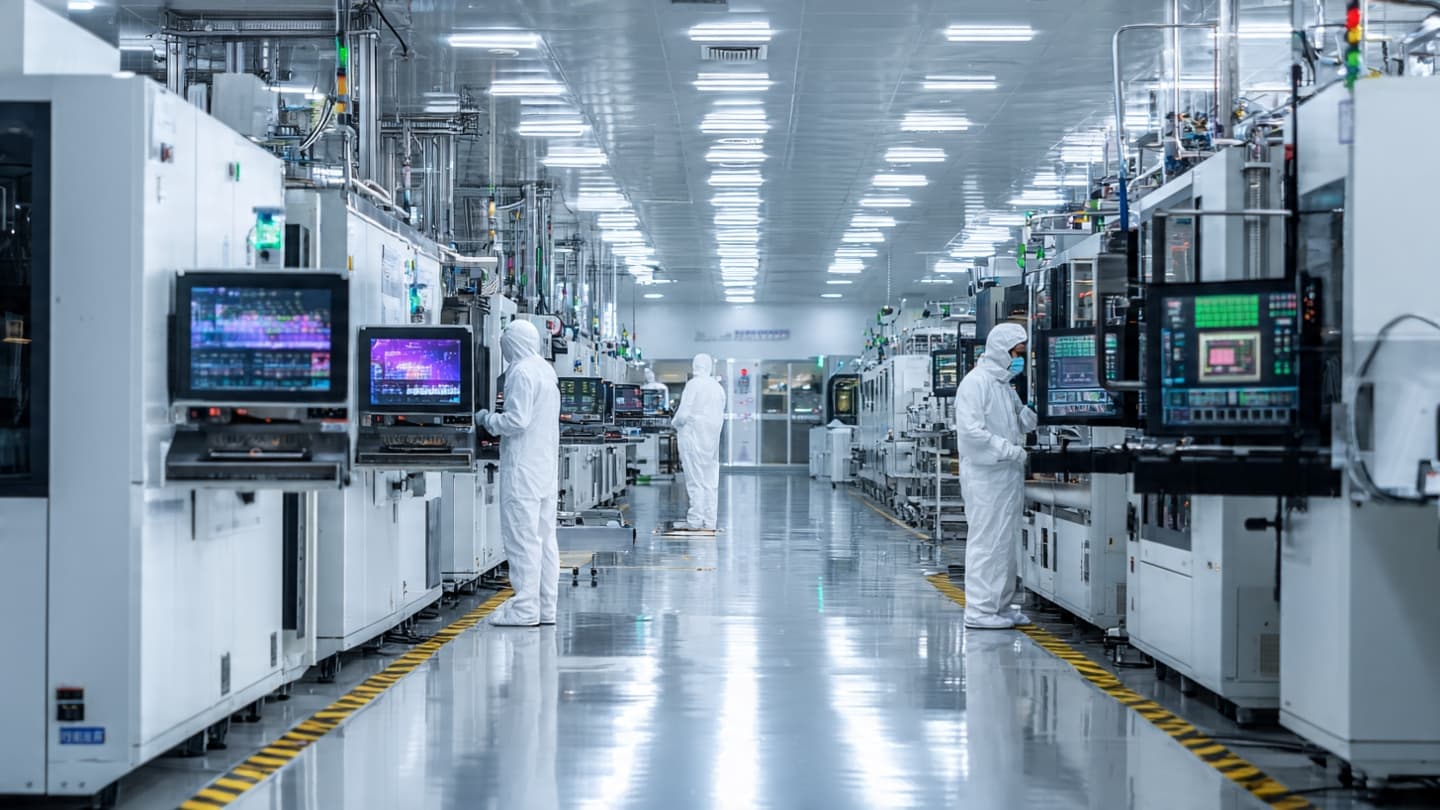
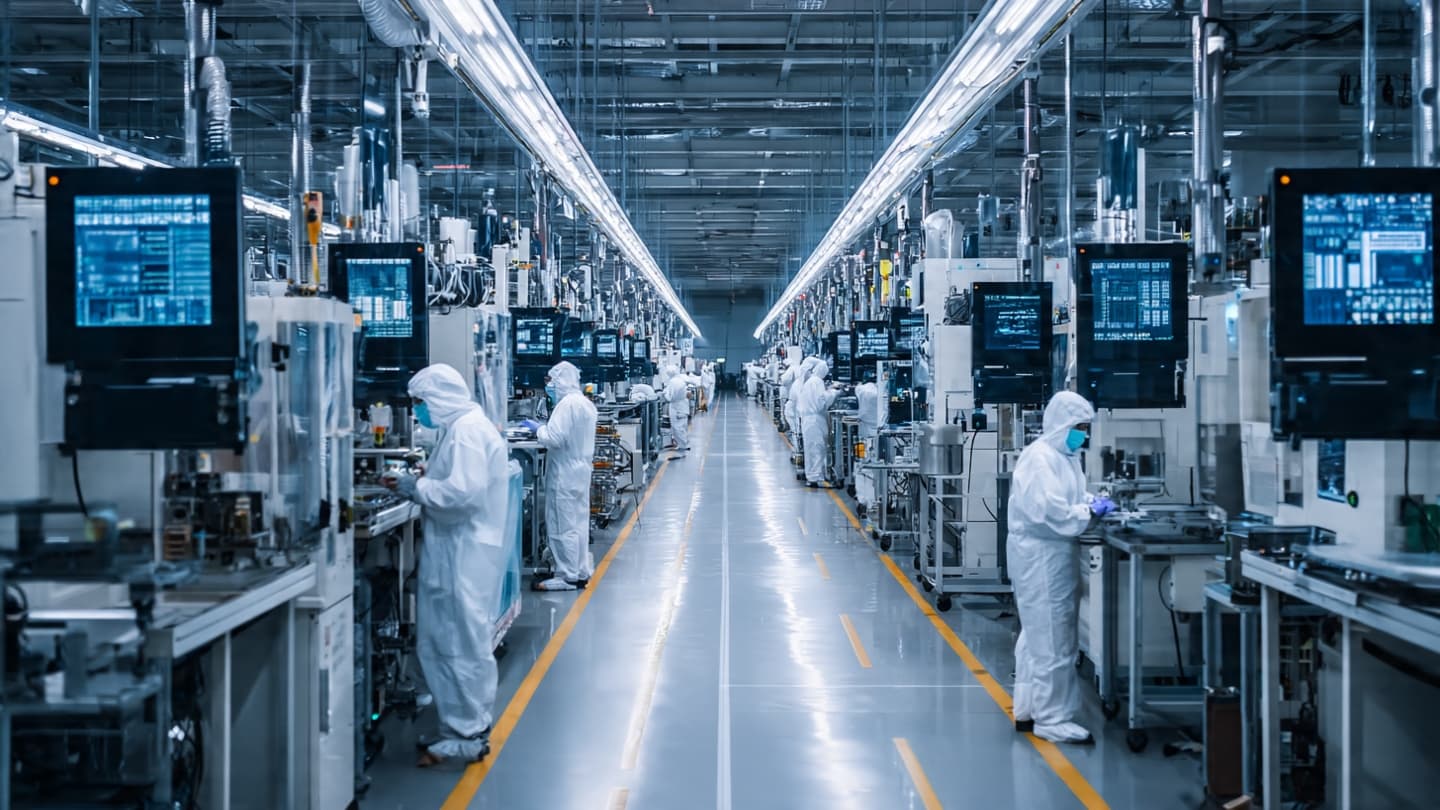
Investment in the U.S. semiconductor industry continues to accelerate as demand for advanced chips grows across artificial intelligence, cloud computing, and consumer technology sectors.

Iran says a new US MoU will provide payments for maritime services in the Strait of Hormuz, a move with potential global trade implications.

Travel companies and airlines across the United States are reporting stronger summer booking demand as consumers continue prioritizing travel experiences.

Several major U.S. banks have reported stronger-than-expected quarterly earnings, supported by resilient economic activity and stable consumer demand.

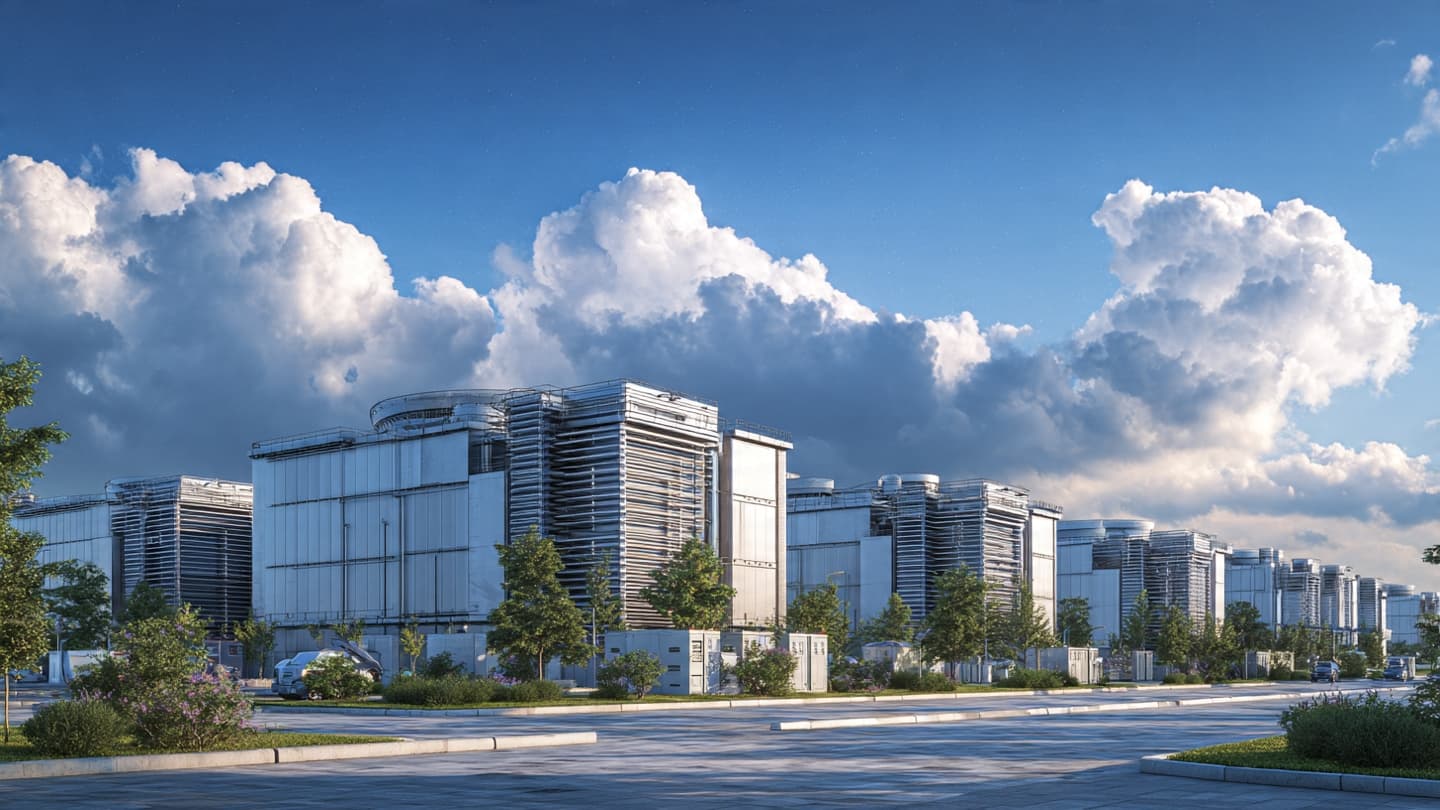
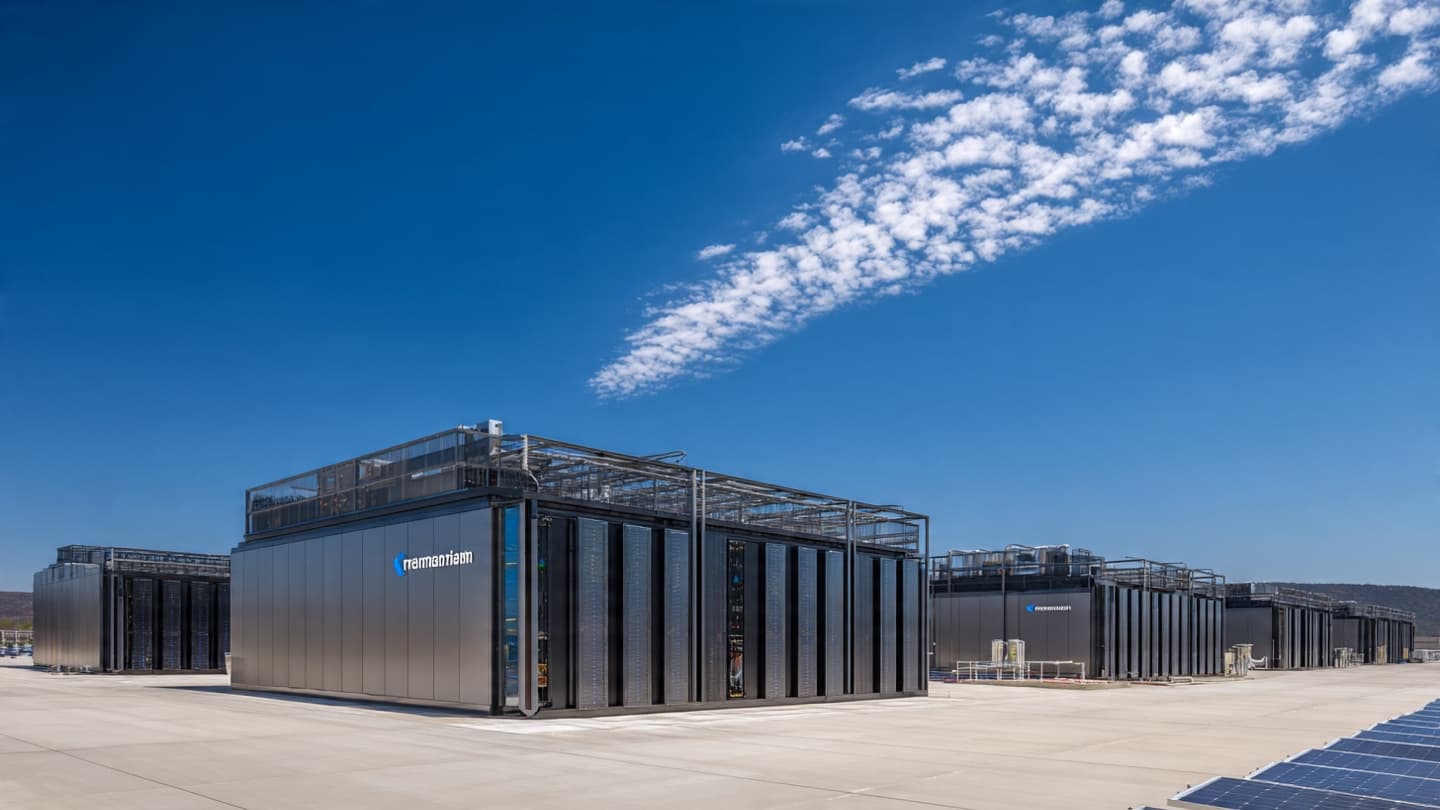
The rapid growth of artificial intelligence is driving a surge in data center construction across the United States as technology companies expand computing capacity.

Corporate spending on artificial intelligence in the United States has reached record levels as businesses accelerate investments in automation, data analytics, and advanced computing technologies.

Several major U.S. retailers have reported stronger-than-expected consumer demand, highlighting continued resilience among American households

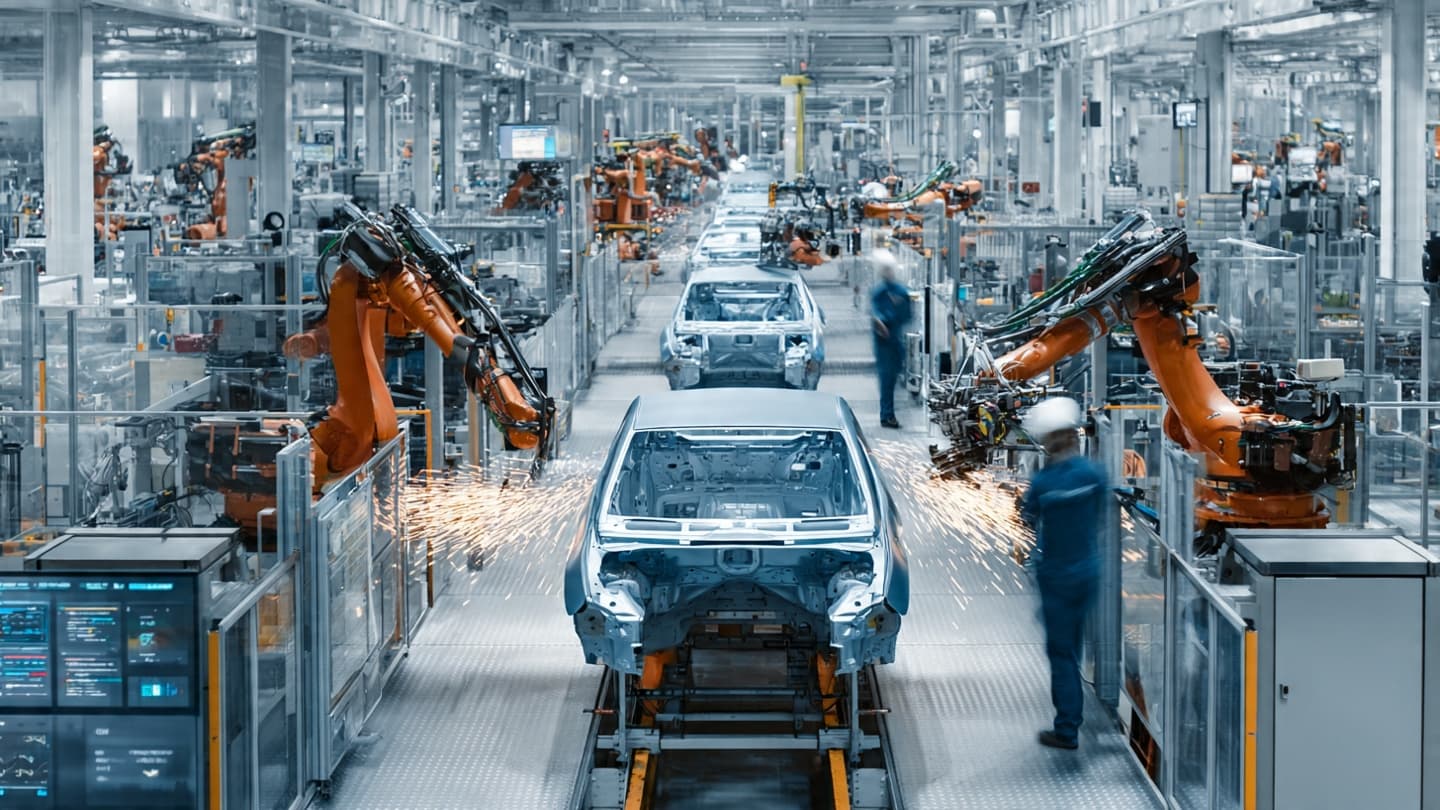
Recent economic indicators suggest that U.S. manufacturing activity is showing signs of stabilization as businesses adapt to changing market conditions and supply chain improvements.

Major U.S. technology companies are expanding investments in AI infrastructure, including data centers, computing capacity, and advanced research facilities.

Consumer spending in the United States continues to show resilience despite elevated borrowing costs, supporting broader economic activity and growth expectations.

Global oil prices have fallen to their lowest level in three months as expectations improve regarding energy supplies and international trade routes.

Citigroup has lowered its Brent crude oil forecast following a memorandum of understanding between the United States and Iran that could improve energy supply stability.

Wall Street moved higher after a temporary agreement between the United States and Iran reduced concerns surrounding energy markets and global economic stability.

European businesses continue to navigate energy market volatility and supply chain disruptions, creating challenges for planning, production, and investment decisions.

France is facing renewed increases in government borrowing costs as investors closely monitor fiscal conditions, debt levels, and the country's long-term economic outlook

The IMF has warned that France faces rising fiscal risks as public debt remains elevated, highlighting the importance of long-term budget planning and economic sustainability.