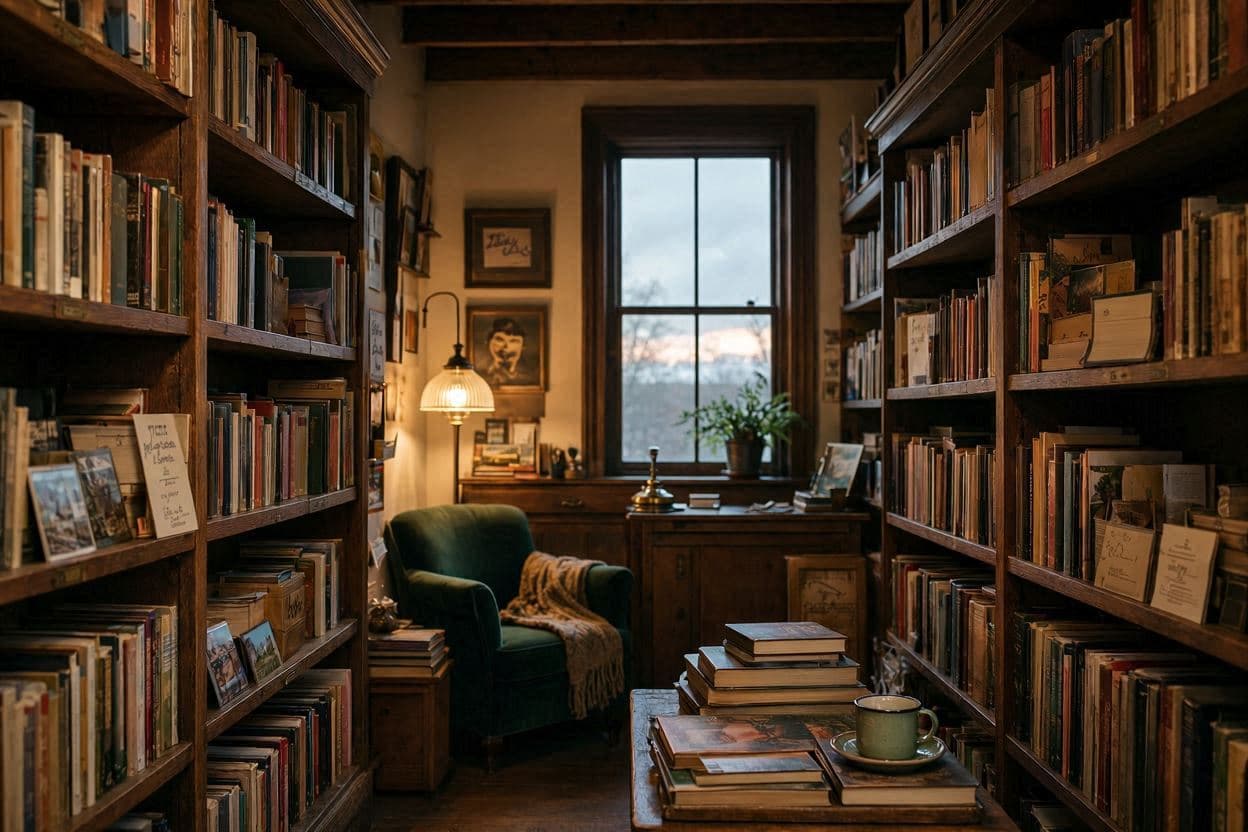
In an age dominated by digital screens and instant downloads, the humble used bookstore has emerged as an unexpected sanctuary for community and connection. Far from fading into obscurity, these independent shops are thriving by understanding what their customers truly crave: not just books, but an experience. They are "reading the room," curating spaces that offer warmth, discovery, and a tangible link to the past. This resurgence is a testament to the enduring human desire for physical objects and shared cultural spaces.
The success of these stores lies in their ability to adapt, blending nostalgia with modern community needs. They have become hubs for conversation, creativity, and slow living in a fast-paced world.
Owners of successful used bookstores report that their businesses are growing, driven by a diverse clientele ranging from students to retirees. The appeal is multifaceted: affordable prices, the thrill of the hunt for rare editions, and the sensory pleasure of holding a printed page. Unlike algorithmic recommendations, browsing shelves allows for serendipitous discoveries that algorithms cannot replicate.
These shops have evolved beyond mere retail spaces. Many now host book clubs, poetry readings, and local art displays, fostering a sense of belonging. They serve as third places, distinct from home and work, where people can gather without pressure. This social function has become increasingly valuable in post-pandemic society, where isolation has heightened the need for connection.
Curators play a crucial role in this success. By carefully selecting inventory that reflects local interests and global trends, they create a unique identity for each store. Some specialize in specific genres, such as mystery or sci-fi, while others offer eclectic mixes that surprise and delight. This personal touch distinguishes them from large chain retailers and online giants.
Sustainability is another driving factor. Buying used books reduces waste and carbon footprints, appealing to environmentally conscious consumers. The circular economy of literature allows stories to have multiple lives, passing from hand to hand and generation to generation. This ethical dimension adds value to the purchase, making it feel like a contribution to a larger cause.
Financially, these businesses operate on thin margins but benefit from low overheads and passionate customer bases. Many owners are motivated by love for literature rather than pure profit, which resonates with shoppers who value authenticity. This genuine passion creates loyalty, turning customers into regulars and advocates.
Challenges remain, including rising rents and competition from e-books. However, innovative strategies such as online sales, subscription boxes, and partnerships with local cafes have helped mitigate these pressures. Adaptability is key to survival, and many storeowners are embracing hybrid models that combine physical and digital presence.
The cultural significance of used bookstores extends beyond commerce. They preserve literary history, offering access to out-of-print titles and forgotten voices. In doing so, they act as custodians of knowledge, ensuring that diverse perspectives remain available to the public.
As more people seek meaning and connection in their consumption habits, the used bookstore stands as a beacon of thoughtful engagement. It invites us to slow down, explore, and connect with others through the shared love of stories.
The thriving state of used bookstores highlights the enduring value of physical media and community spaces. It suggests that in a digital world, the tangible and the personal still hold profound appeal.
AI Image Disclaimer: The visuals in this article are AI-generated illustrations designed to reflect the cozy and inviting atmosphere of independent bookshops.
Sources: The Guardian NPR Publishers Weekly Local Independent Booksellers Associations
Published by Banx Network. This article is part of the Banx decentralized media programme, powered by the BXE token on the XRP Ledger.