“Between Tradition and Transformation: Takaichi’s March to Victory”
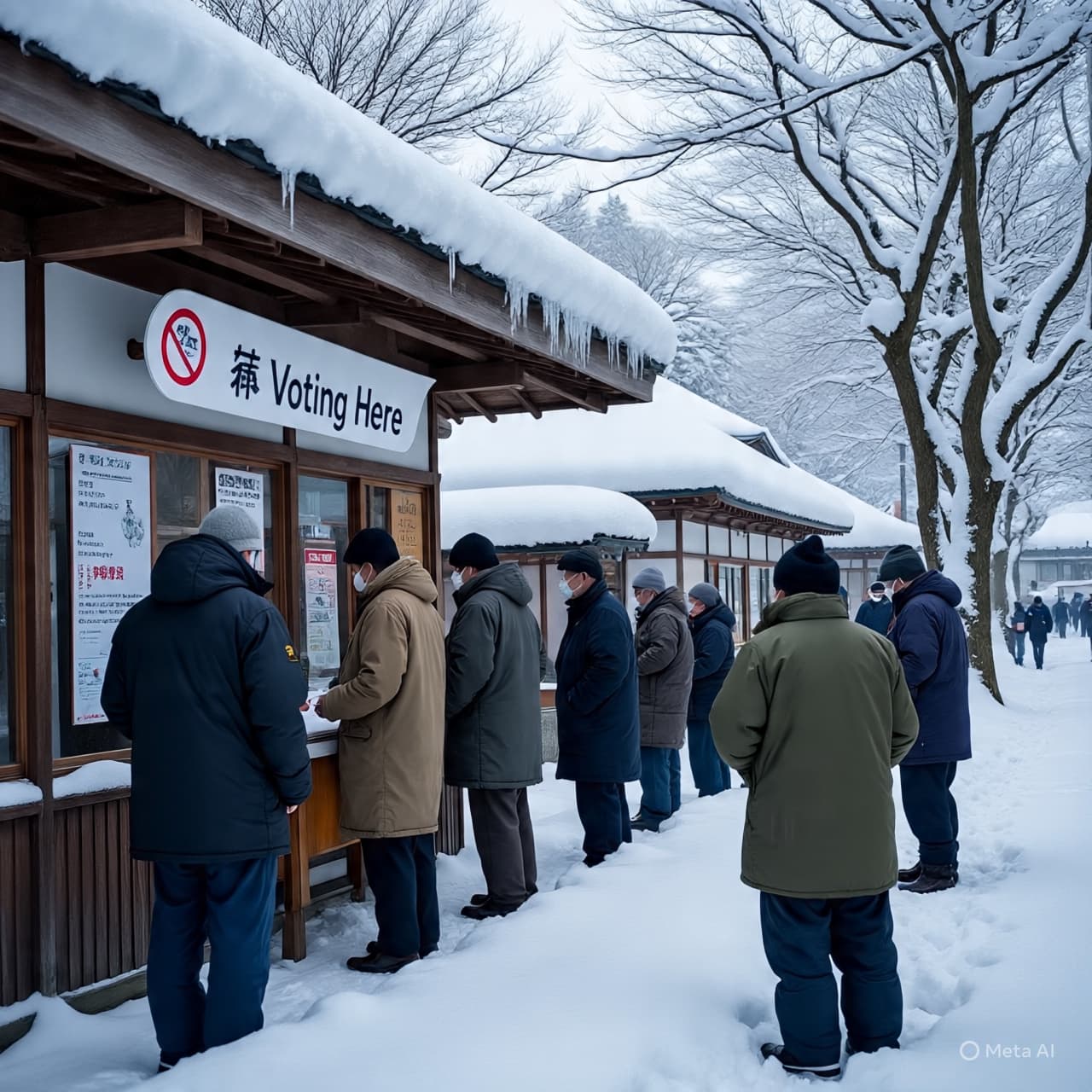
Japan’s ultraconservative prime minister Sanae Takaichi is poised for a major election victory, securing broad legislative support amid public debate and snow-covered streets.

Japan’s ultraconservative prime minister Sanae Takaichi is poised for a major election victory, securing broad legislative support amid public debate and snow-covered streets.

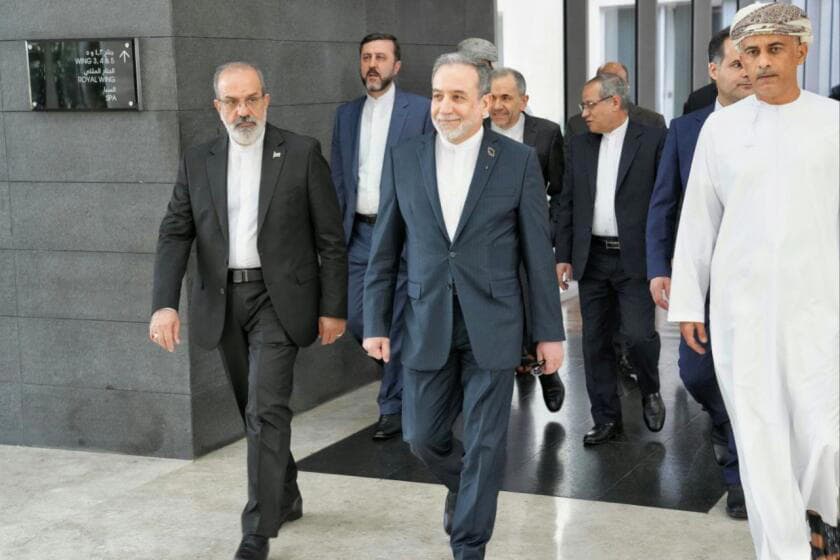
In a significant diplomatic gesture, the United States and Iran engaged in indirect talks in Oman, with America's military leader in the Middle East participating. This development marks a pivotal moment in longstanding tensions between the nations, as both sides explore potential pathways toward de-escalation and future negotiations.

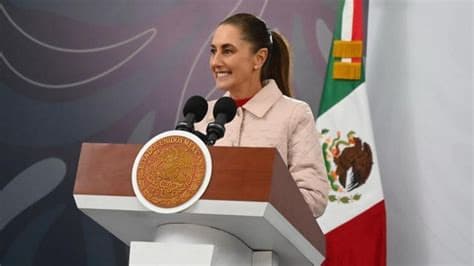
On February 6, 2026, Mexican President Claudia Sheinbaum announced plans to send humanitarian aid—including food and essential supplies—to Cuba by Monday, February 9. This decision comes amid ongoing diplomatic efforts to resume oil shipments to the island, which the U.S. has threatened to penalize.

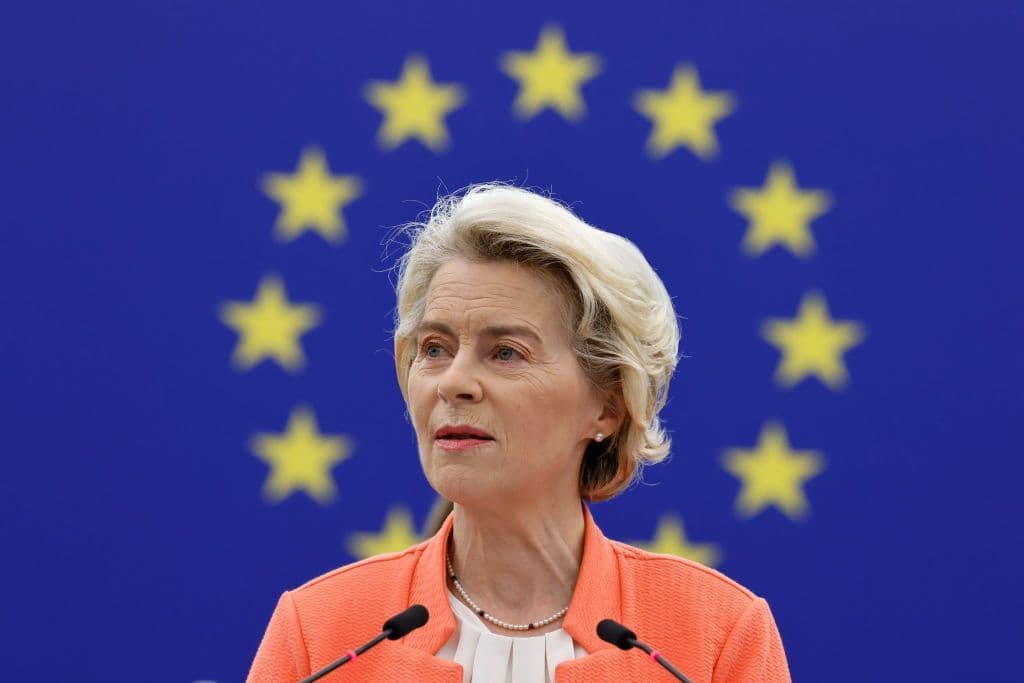
The European Union announced its 20th sanctions package against Russia on February 6, 2026, aimed at increasing pressure on Moscow amid its ongoing aggression in Ukraine. The new measures focus on banning services supporting Russian crude oil exports and target multiple sectors, including banking and trade.

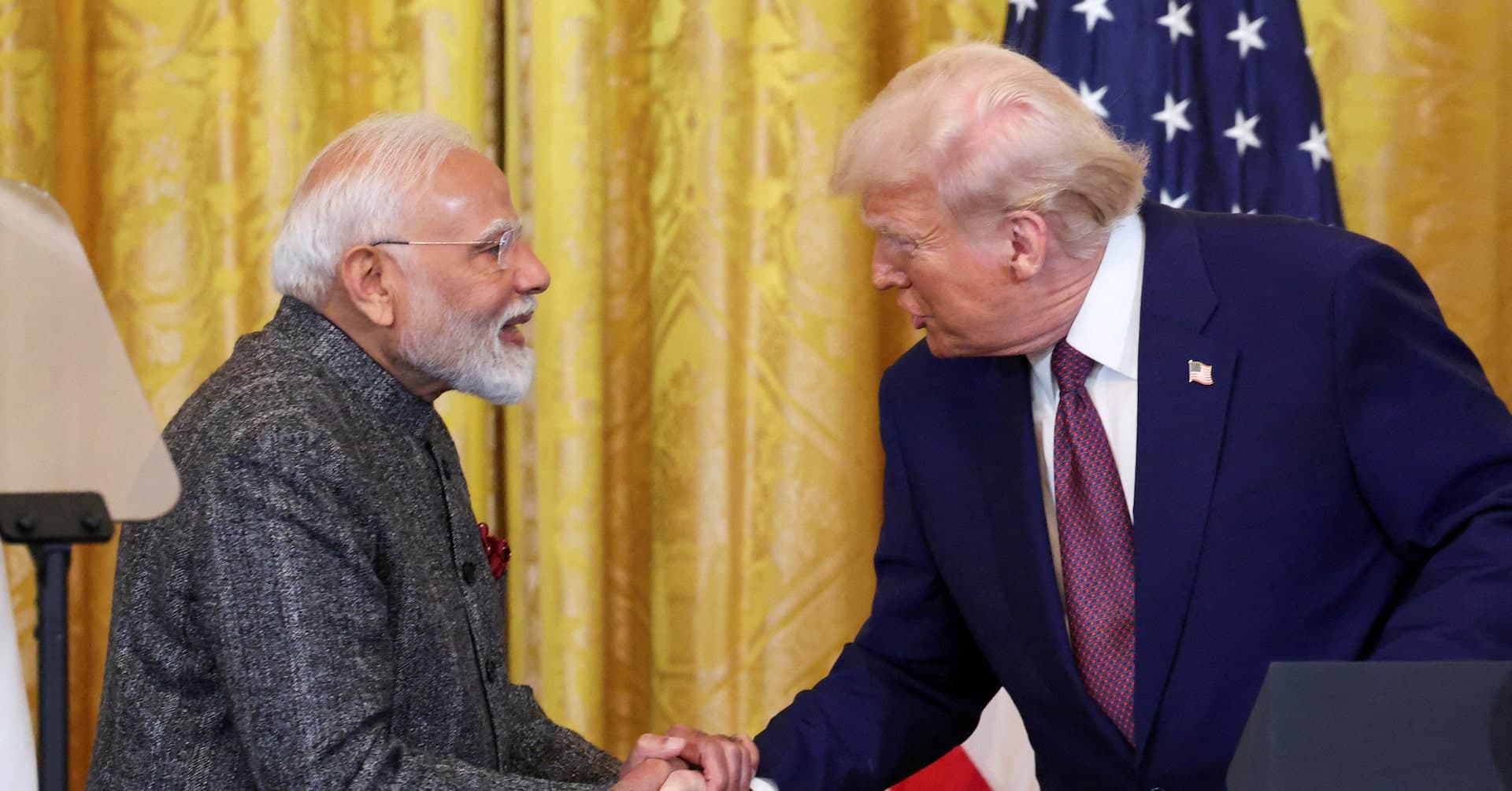
The United States and India introduced an interim trade deal framework on February 6, 2026, aimed at enhancing economic ties. The framework plans to cut tariffs on Indian goods to 18% from 50% and seeks to establish stronger energy links and market access commitments, with a broader agreement expected to be finalized by March.

Japanese candidate Hikaru Fujita’s announcement of her pregnancy alongside her campaign has drawn wide attention, prompting reflection on gender, politics, and public life.

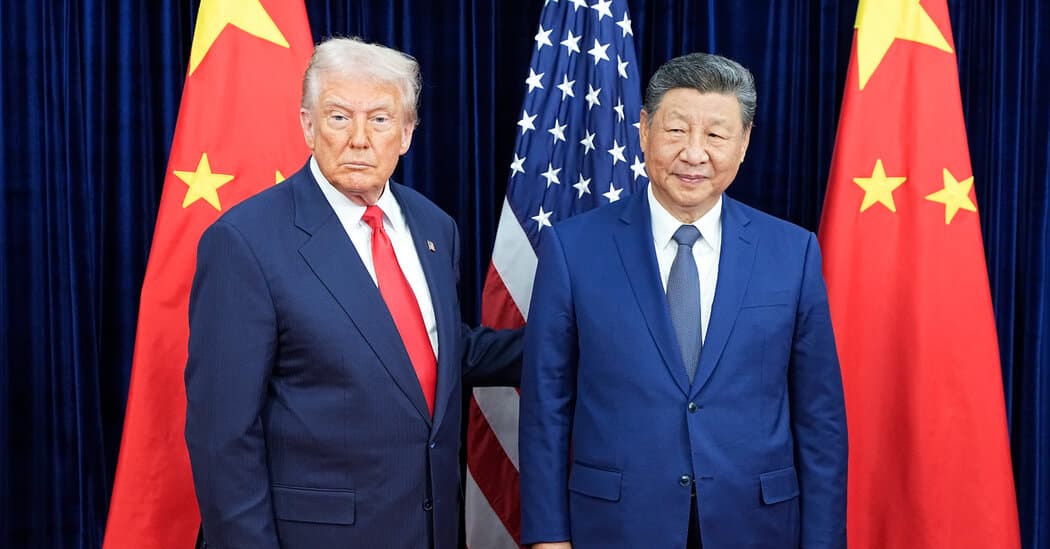
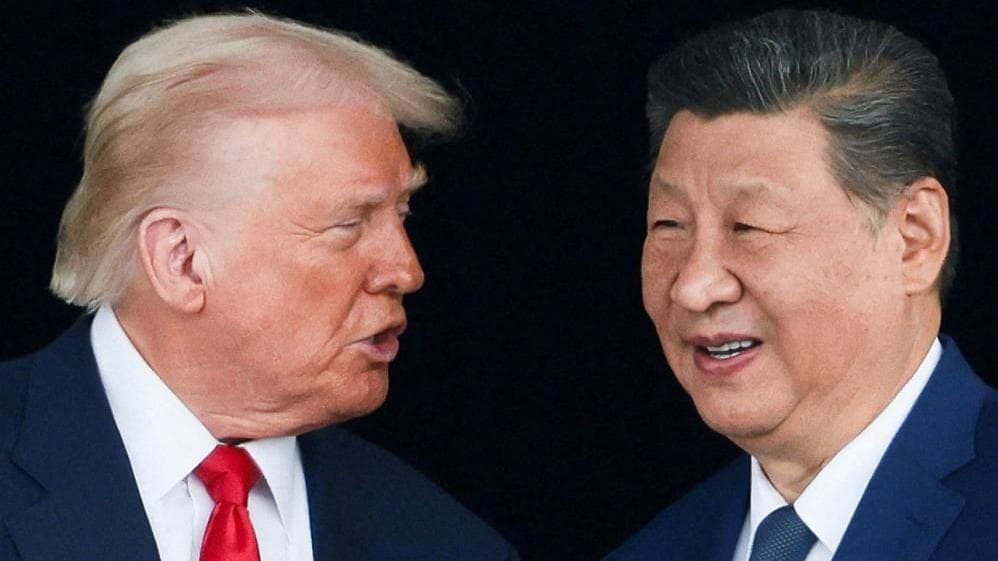
In a recent phone call, Chinese President Xi Jinping emphasized the importance of Taiwan to U.S.-China relations, reminding President Donald Trump to handle arms sales to Taiwan with caution as tensions rise.

A segment aired on Iran’s state television that mocked protesters killed during a crackdown has sparked widespread public outrage, leading to calls for accountability within the national broadcaster.

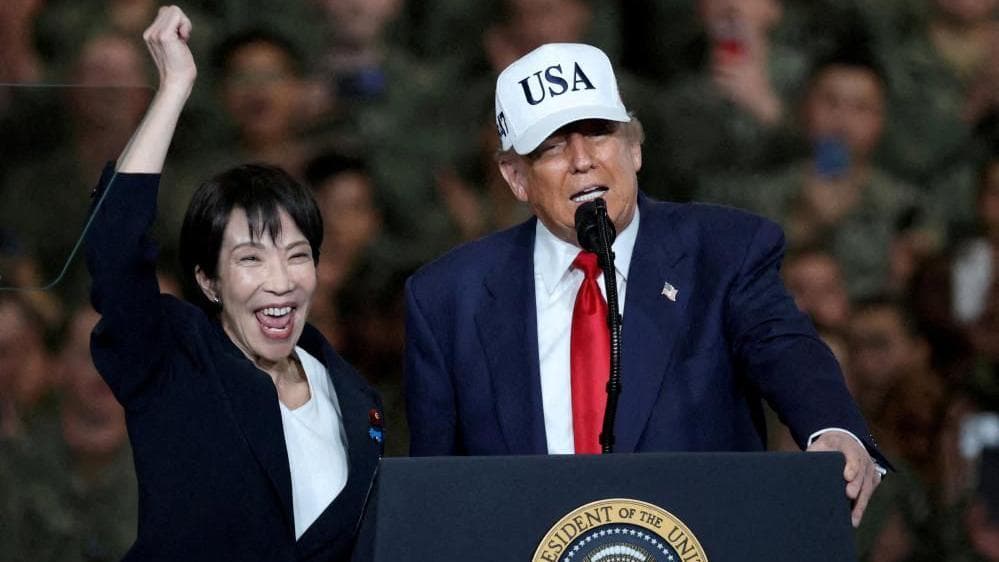
U.S. President Donald Trump has given his full endorsement to Japanese Prime Minister Sanae Takaichi ahead of the upcoming general election, indicating that he will welcome her to the White House on March 19.

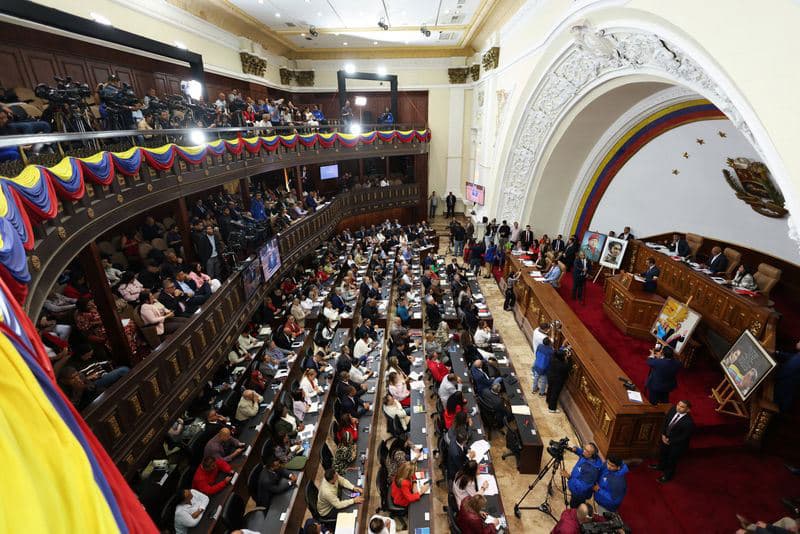
Venezuela’s National Assembly has unanimously approved an amnesty bill that could release hundreds jailed for political protests. The law allows opposition figures to return from exile, signaling a potential shift in national politics.

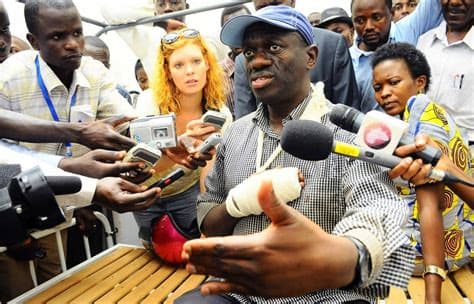
Bobi Wine, the prominent Ugandan opposition leader, continues to evade capture following a contentious presidential election. The son of President Yoweri Museveni, General Muhoozi Kainerugaba, has escalated threats against him, urging him to surrender and even invoking violence.

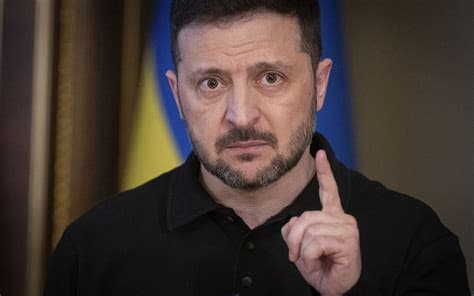
Ukrainian President Volodymyr Zelenskyy asserted that recognition from any country cannot undermine Ukraine's territorial integrity, reaffirming the nation's commitment to sovereignty in the face of ongoing aggression.

Sebastián Piñera’s heirs paid roughly $167 billion pesos (~US$190 million) in inheritance tax on a 640 billion‑peso estate, in one of Chile’s largest such payments

Senator Felipe Kast publicly endorsed Michelle Bachelet’s candidacy for UN Secretary‑General, highlighting her experience but criticizing how the government announced the bid. His stance diverges from many in his political sector.

Chinese President Xi Jinping emphasized the significance of caution in U.S. arms supplies to Taiwan, expressing concerns over escalating tensions in the Taiwan Strait.

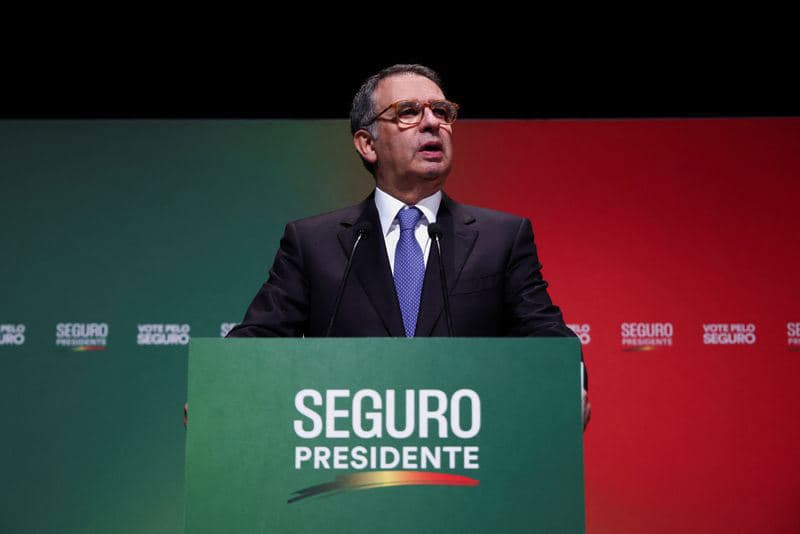
Recent polling suggests that a socialist candidate is on track to defeat a far-right leader in the upcoming presidential election in Portugal, reflecting a potential shift in the country's political landscape.

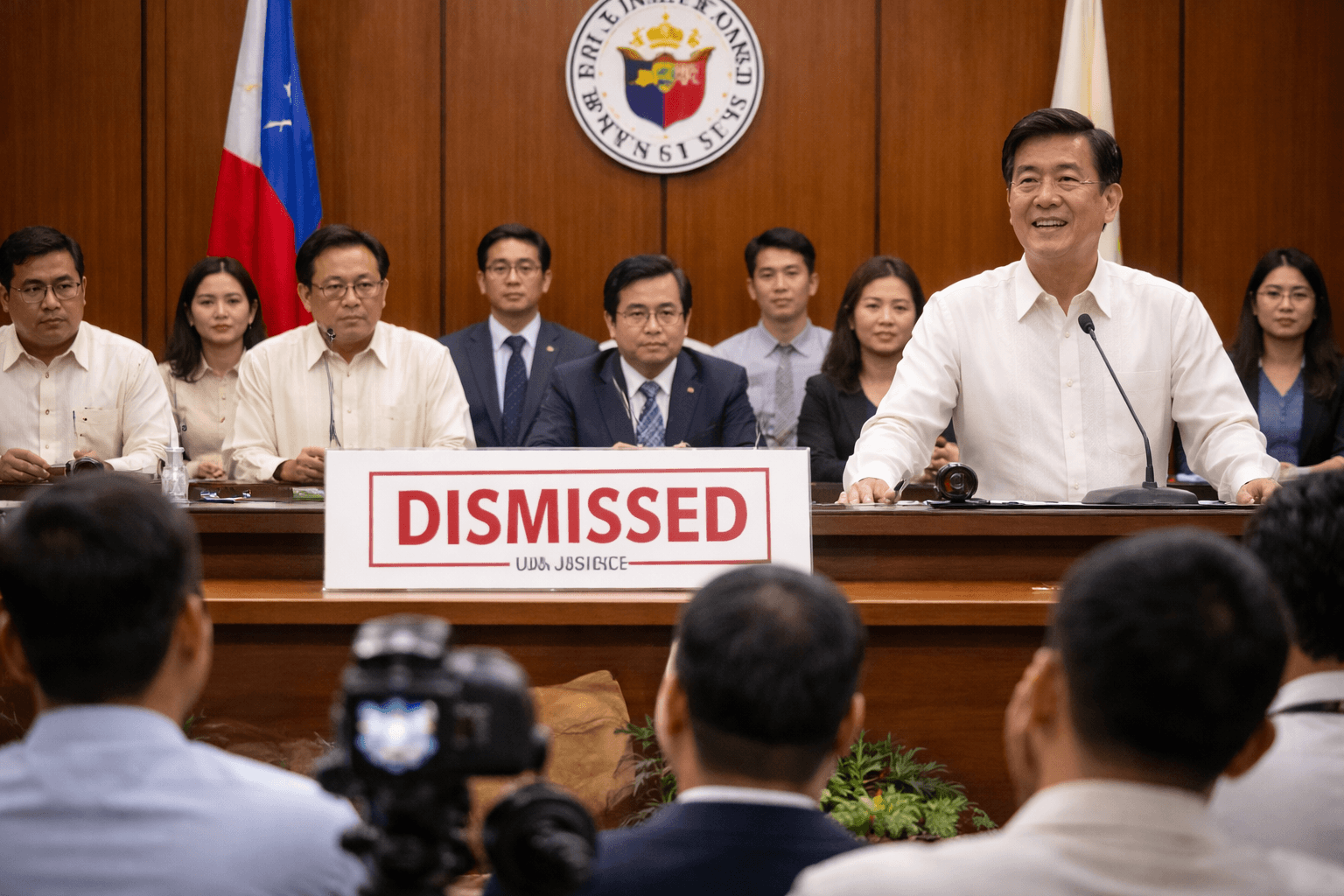
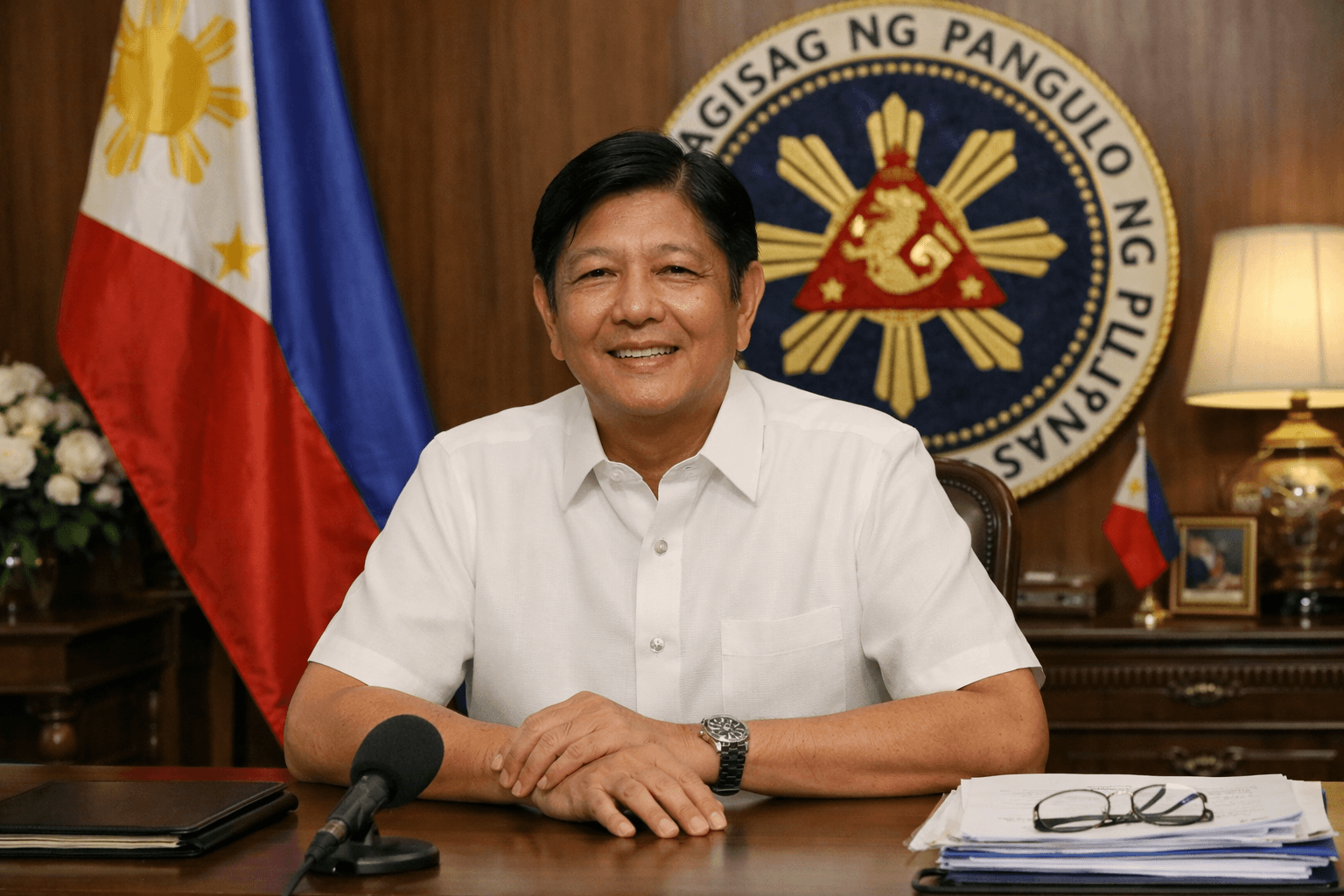
The House Committee on Justice dismissed the impeachment complaint against President Marcos, citing insufficient evidence, allowing the administration to focus on governance and national development.

Epstein didn’t believe in Bitcoin’s ideals—he exploited its promise. The leaked emails reveal a calculated play for influence, anonymity, and elite access, using crypto as camouflage, not conviction.

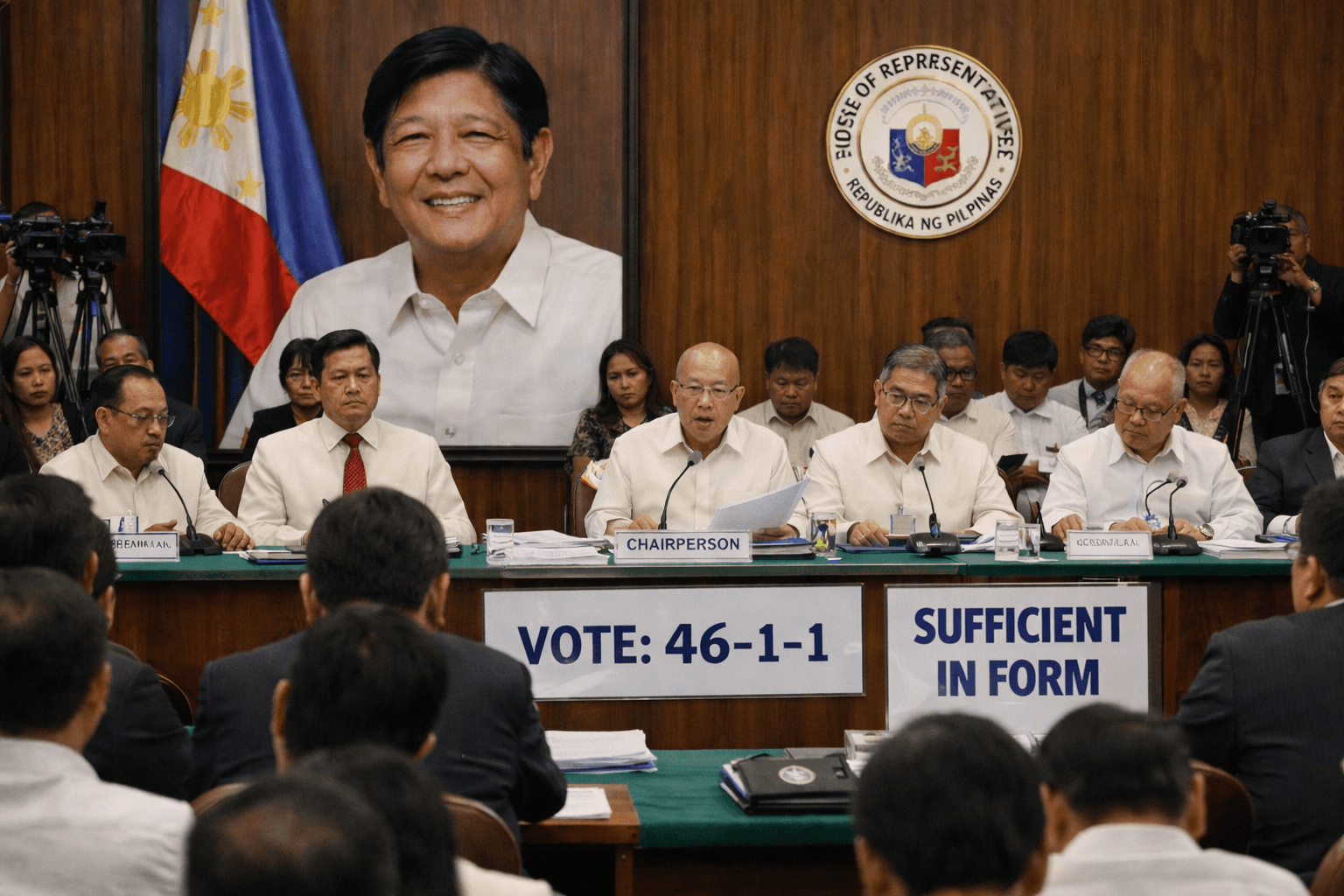
The House Justice Committee voted 46-1-1 to declare the impeachment complaint against President Marcos sufficient in form, clearing the first procedural step and allowing further review under House rules.

Trade relations between the United States and Canada have entered a new phase of uncertainty following recent remarks by Donald Trump directly targeting Bombardier, Canada’s aerospace flagship. The comments revive long-standing trade disputes and raise fresh concerns about the stability of cross-border industrial cooperation.

Costa Rica is heading to the polls with right-wing populist candidates seeking to extend their mandate amid growing political tensions. This election is pivotal for shaping the country’s future policies and governance.

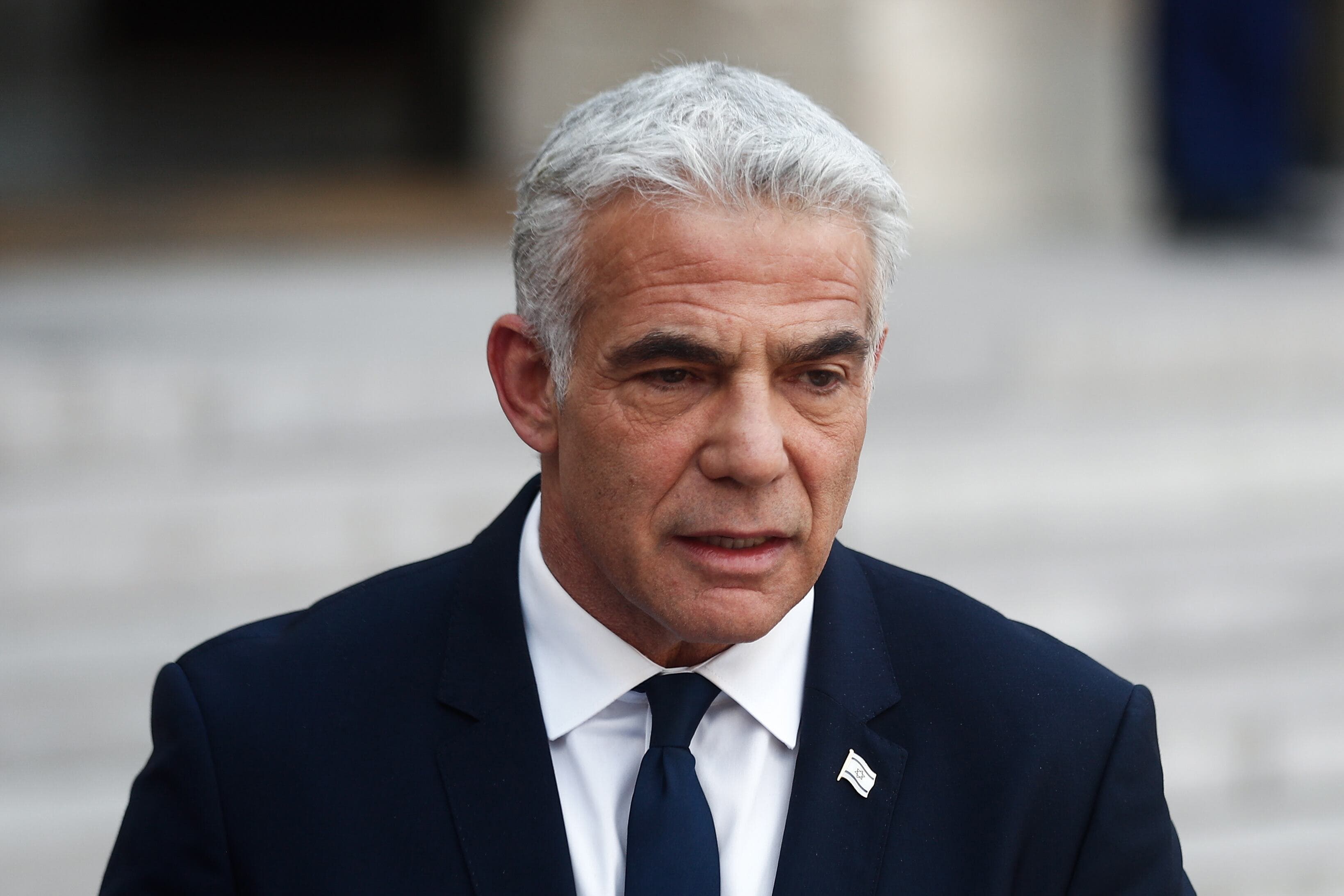
Israeli opposition leader Yair Lapid has introduced a bill aimed at designating Qatar as an enemy state. This legislative move underscores escalating tensions in the region and reflects broader concerns over Qatar's ties with entities seen as threats to Israel.

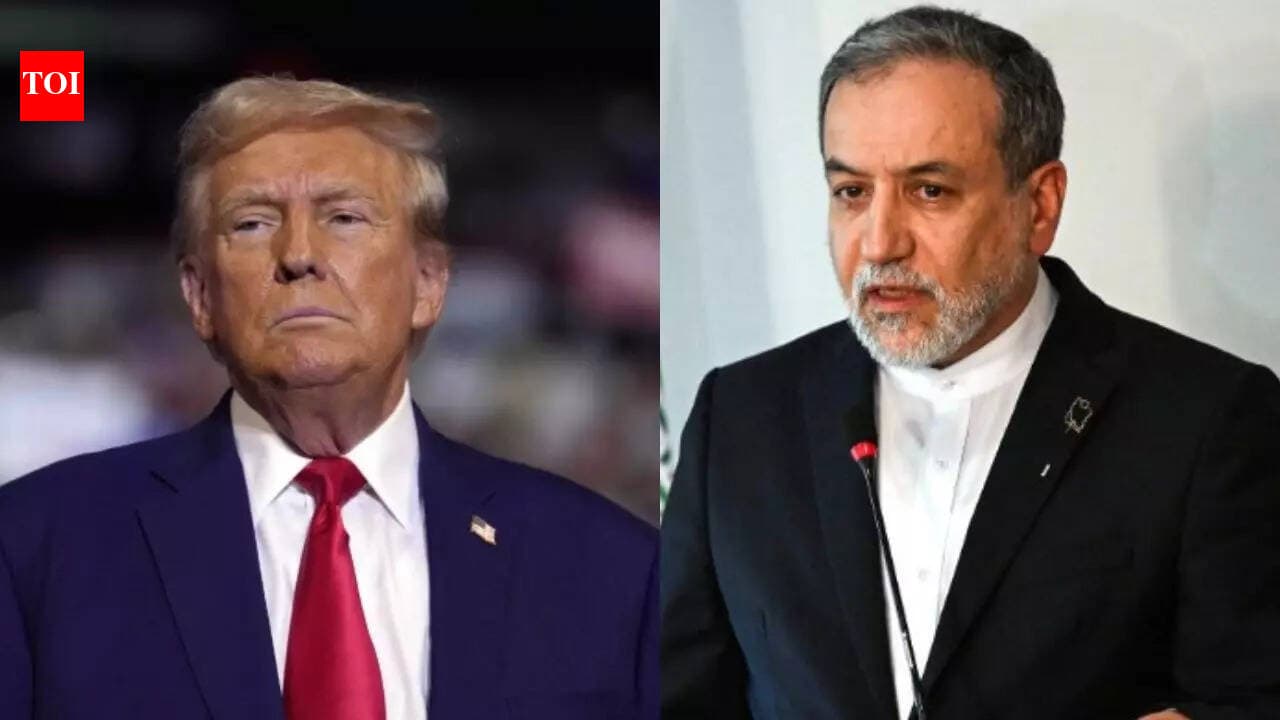
The United States has communicated its readiness to engage in dialogue with Iran, signaling an openness to negotiate a new deal. This development marks a potential shift in diplomatic relations amid ongoing tensions.

President Ferdinand Marcos Jr. assured the public that he is recovering well from diverticulitis, saying his condition is manageable and that he remains fit to perform his duties as head of state.