In a move that reflects both energy ambition and evolving geopolitical ties, Armenia and the United States have signed a new agreement to expand cooperation in the civil nuclear sector, marking a significant step in their growing strategic partnership.
Prime Minister Nikol Pashinyan and U.S. Vice President J.D. Vance formalized the understanding as part of broader efforts to deepen bilateral relations. The agreement focuses on the peaceful development of nuclear energy, with an emphasis on safety, regulatory standards, and long-term energy planning.
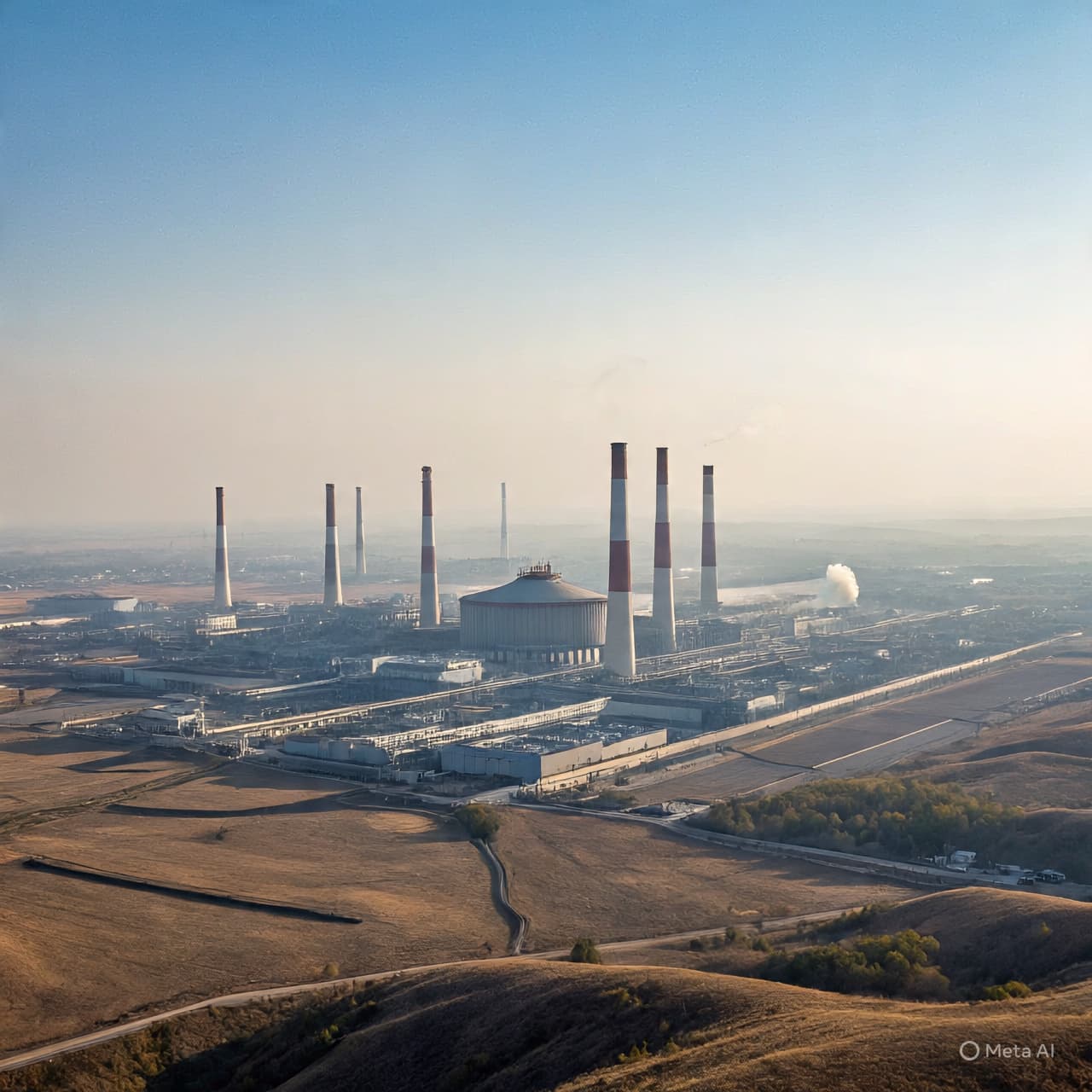
For Armenia, the initiative comes at a pivotal moment. The country relies heavily on a single nuclear power plant for a substantial share of its electricity, and policymakers have been exploring options to modernize aging infrastructure while ensuring stable and affordable energy supplies. Expanding cooperation with the United States offers access to technical expertise, international safety practices, and potential pathways for future investment.
Officials in both countries framed the partnership as part of a wider effort to strengthen energy security. For a landlocked nation with limited domestic energy resources and a complex regional environment, diversifying partnerships has become a central policy goal. Civil nuclear cooperation is seen as a way to reduce vulnerability to external shocks while maintaining a reliable baseload power source.
From Washington’s perspective, the agreement aligns with broader efforts to support energy resilience among partner countries and promote high standards in nuclear safety, security, and nonproliferation. U.S. engagement in civilian nuclear projects abroad has increasingly focused on governance, regulatory capacity, and the development of transparent energy frameworks.
The announcement also reflects the gradual expansion of U.S.–Armenia ties in recent years, spanning economic assistance, democratic governance support, and security dialogue. While Armenia maintains relationships with multiple regional partners, the growing engagement with Western institutions has become more visible amid shifting regional dynamics.
Civil nuclear cooperation agreements typically cover areas such as workforce training, regulatory development, feasibility studies for new technologies, and environmental oversight. Any future construction or major infrastructure decisions would require additional planning, financing arrangements, and regulatory approvals.
The agreement does not immediately change Armenia’s energy mix, but it signals the direction of long-term planning as the country weighs how to replace or upgrade existing nuclear capacity in the coming decades.
As Armenia navigates a complex regional landscape and rising energy demands, the partnership underscores a broader strategy: securing reliable power while widening the circle of international cooperation that supports it.
Published by Banx Network. This article is part of the Banx decentralized media programme, powered by the BXE token on the XRP Ledger.