In the vast, swirling clouds of gas and dust that serve as the cradles of stars, there is a quiet drama unfolding that has long remained hidden from human eyes. For decades, astronomers have peered into these stellar nurseries, watching the birth of suns but rarely catching the first breaths of the worlds that orbit them. Now, a remarkable discovery has pulled back the veil, revealing a planet so young it is merely two weeks old in cosmic terms, offering a rare glimpse into the earliest moments of planetary formation.
This infant world was detected within a dense protoplanetary disk, a region where material coalesces under the gentle pull of gravity to form new celestial bodies. The detection is significant because planets at this stage are typically obscured by the thick dust of their birth environment. Using advanced interferometry and infrared observations, scientists were able to pierce through the opacity, identifying the subtle gravitational tug and thermal signature of the nascent planet.
The age of the planet, estimated at just two weeks, refers to the time since it began to accrete mass significantly, a blink of an eye in the billions of years of cosmic history. This early stage provides a unique laboratory for understanding how planets grow. Unlike mature worlds, which have settled into stable orbits and cooled surfaces, this baby planet is still actively gathering material, shaping its future identity in real-time.
Observing such a young object challenges existing models of planet formation. Traditional theories suggest that planet building is a slow, gradual process taking millions of years. However, this finding hints that under certain conditions, the initial stages of accretion can occur with surprising speed, prompting a reevaluation of the timelines involved in creating solar systems like our own.
The location of this discovery, deep within a stellar nursery, also highlights the interconnectedness of star and planet birth. It suggests that the processes that ignite a star may simultaneously seed the formation of its companions. This synergy implies that planetary systems are not afterthoughts but integral parts of the stellar birth process, woven into the fabric of the cloud itself.
For astronomers, this discovery is akin to finding a newborn in a crowded room; it requires patience, precision, and the right tools to notice the subtle signs of life. The technology used to detect this planet represents the cutting edge of observational astronomy, combining data from multiple telescopes to create a clearer picture of the universe’s most elusive phenomena.
The implications extend beyond our immediate neighborhood. If planets can form this quickly and be detected this early, it may change how we search for exoplanets in other galaxies. It opens the possibility that many more young worlds are waiting to be found, hidden in the dusty veils of distant star-forming regions, waiting for our instruments to become sharp enough to see them.
As we continue to study this infant planet, we gain not only data but a deeper sense of wonder at the dynamism of the cosmos. It reminds us that the universe is not static but constantly creating, destroying, and renewing itself in cycles that span eons yet unfold in moments of profound significance.
The discovery of a two-week-old planet marks a milestone in our understanding of cosmic origins. It provides a tangible link to the earliest stages of planetary development, offering insights that will refine our models of solar system formation. As technology advances, we may find that such discoveries become more common, further illuminating the mysterious processes that shape our universe.
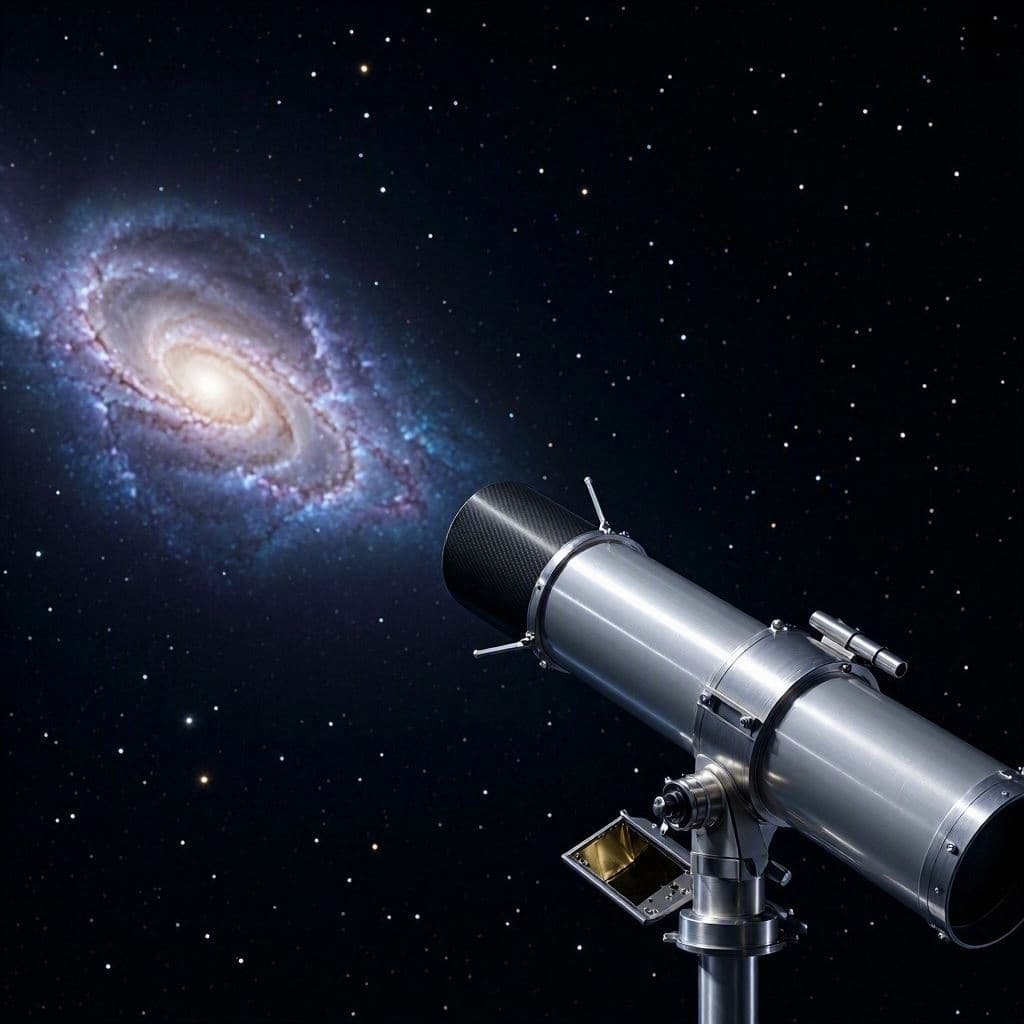
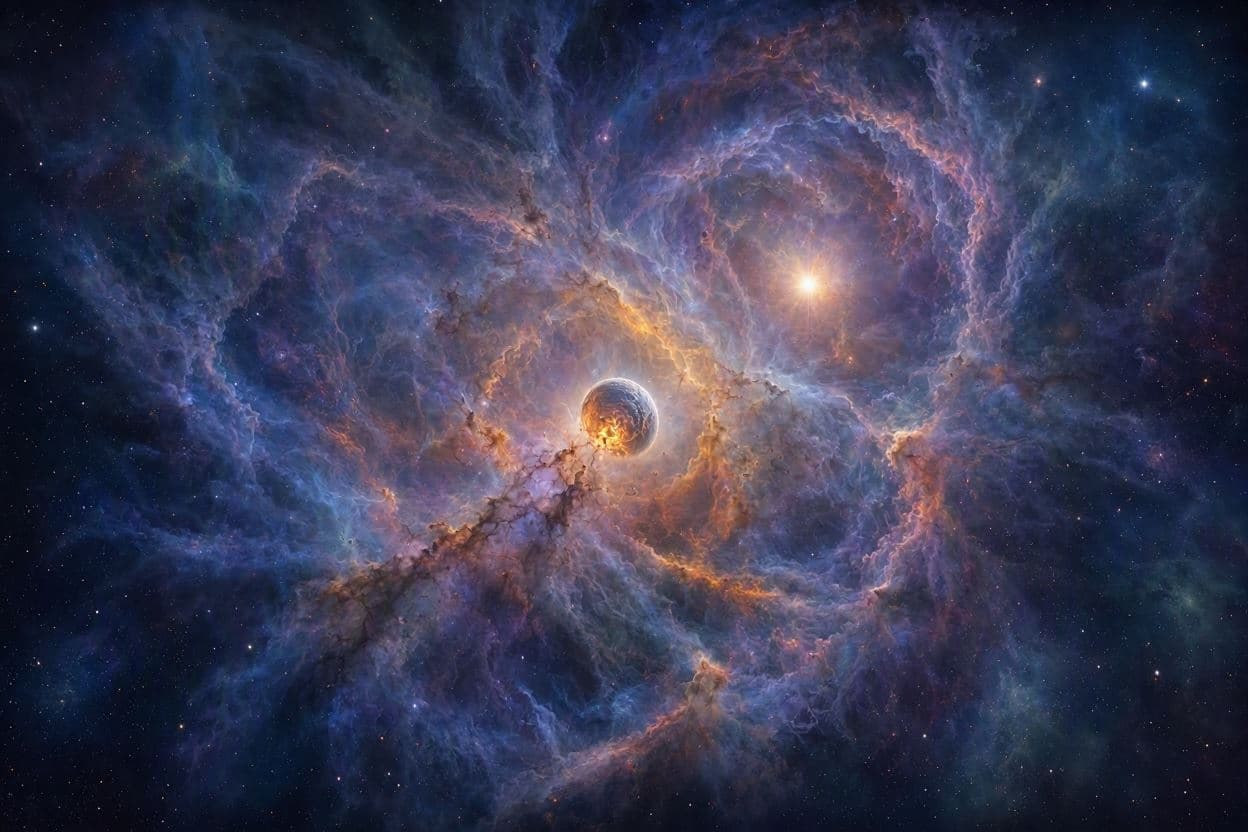
AI Image Disclaimer: The visual representations accompanying this article are AI-generated interpretations designed to visualize the concept of a young planet forming within a dusty stellar nursery.
Sources: Nature Astronomy The Astrophysical Journal Space.com
Published by Banx Network. This article is part of the Banx decentralized media programme, powered by the BXE token on the XRP Ledger.