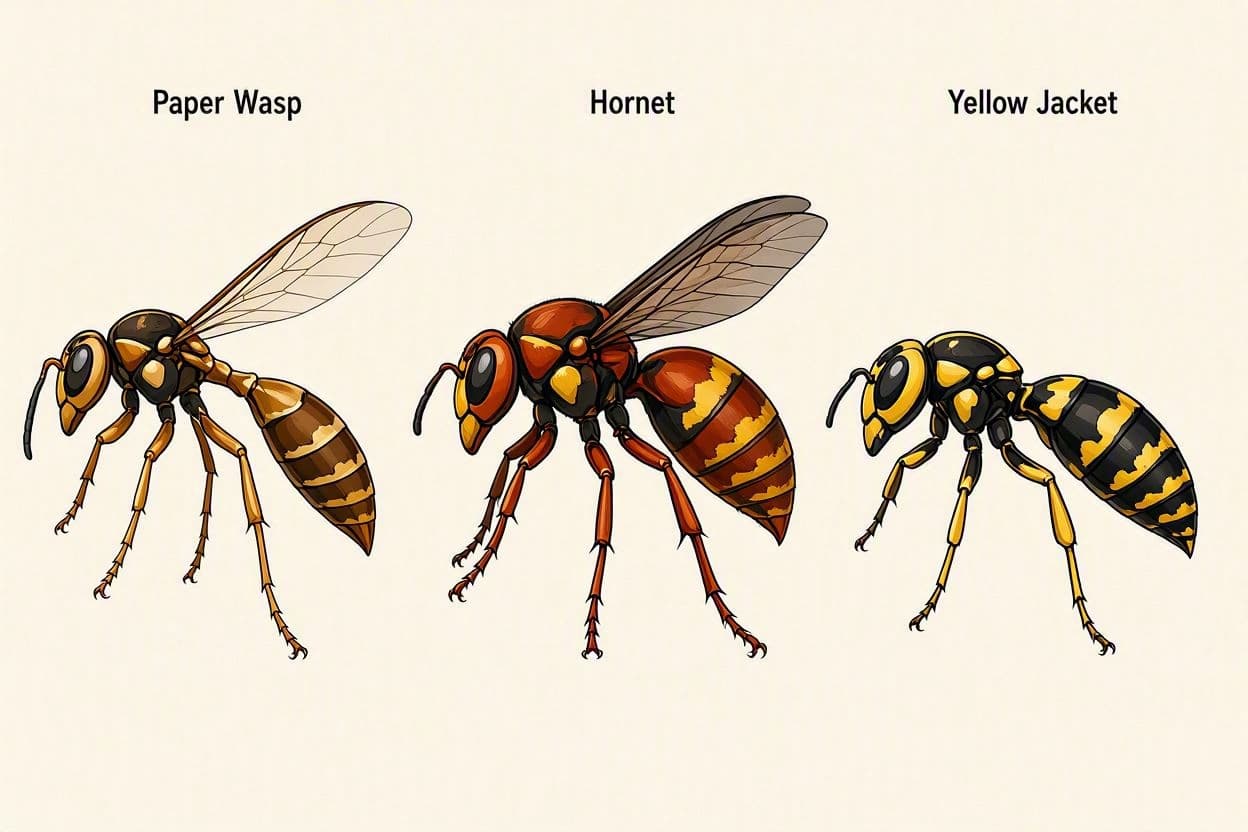
Summer gatherings often come with an uninvited buzz, as stinging insects seek out sweet treats and warm spaces. While many people group these creatures together under the general label of "wasps," there are distinct differences between wasps, hornets, and yellow jackets. Understanding these distinctions is not just a matter of entomological interest; it can help in managing encounters safely and appreciating the diverse roles these insects play in the ecosystem.
True wasps, such as paper wasps, are generally slender with long legs that dangle during flight. They tend to build open, umbrella-shaped nests under eaves or in shrubs. Paper wasps are less aggressive than their cousins and primarily feed on nectar and pollen, though they also hunt caterpillars to feed their larvae. Their presence is often beneficial for gardeners, as they help control pest populations.
Hornets, on the other hand, are larger and more robust, with a broader head and a more pronounced waist. The most common species in North America is the bald-faced hornet, which is actually a type of yellow jacket but builds large, spherical paper nests in trees or shrubs. Hornets are known for their defensive nature and can sting multiple times, making it important to give their nests a wide berth.
Yellow jackets are perhaps the most familiar and often the most troublesome to humans. They are smaller than hornets, with bright yellow and black markings, and build nests underground or in wall voids. Yellow jackets are scavengers, attracted to human food and garbage, which brings them into close contact with people. They are highly social and can become aggressive when their nest is threatened.
Identifying these insects correctly can inform how we respond to them. For instance, paper wasps may be left alone if their nest is not in a high-traffic area, while yellow jacket nests near patios may require professional removal. Misidentification can lead to unnecessary fear or ineffective control measures, so learning the visual cues is a practical skill for homeowners.
Beyond their reputation as pests, all these insects contribute to pollination and pest control. They play a vital role in maintaining ecological balance, even if their methods are sometimes inconvenient for humans. Recognizing their value can shift our perspective from one of annoyance to one of respect for their ecological function.
Safety around stinging insects involves calm movements and avoiding sudden swatting, which can provoke aggression. Wearing light-colored clothing and keeping food covered outdoors can also reduce attraction. By taking simple precautions, we can coexist with these insects while minimizing the risk of stings.
Education is key to reducing fear and promoting safe interactions. By learning to distinguish between wasps, hornets, and yellow jackets, we can make informed decisions about how to share our spaces with them. This knowledge empowers us to appreciate the complexity of the natural world, even in its smallest, buzziest forms.
AI Image Disclaimer: The illustrations for this article are AI-generated to depict the physical characteristics of these insects, using clear and neutral visual descriptions rather than real photographs.
Sources: National Pest Management Association, University of Florida Entomology, Orkin, Terminix
Published by Banx Network. This article is part of the Banx decentralized media programme, powered by the BXE token on the XRP Ledger.