There is a quiet hope embedded in the word “reversal”—the suggestion that time, which moves in only one direction for all of us, might for once be persuaded to pause or even retreat. In the world of medicine, such hope is usually treated with caution, because the human body is not a clock that can be turned back by a simple adjustment. Yet this week, two pharmaceutical companies presented data suggesting that a class of drugs already familiar to millions might be doing something unexpected: slowing, and perhaps partially reversing, the molecular marks of biological aging.
The findings came from Novo Nordisk and Eli Lilly, presented at the Aging Research & Drug Discovery conference at Harvard . Both companies studied GLP-1 receptor agonists—semaglutide, sold as Ozempic and Wegovy, and tirzepatide, sold as Mounjaro and Zepbound—in people who were overweight or had type 2 diabetes. Using tools called “aging clocks,” which estimate biological age by measuring changes in proteins or DNA, the researchers found that people taking the drugs showed signs of slower molecular aging compared to those taking a placebo .
Novo Nordisk analyzed blood samples from more than 10,000 participants, half on semaglutide and half on placebo. The company reported a difference of roughly two to three years in overall biological age measures, with one clock based on heart proteins showing a difference of up to four years . “I think it’s pretty clear that the organ age is shifting,” said Alejandro Aguayo-Orozco, a senior scientific director at Novo . Eli Lilly’s smaller sub-study, part of the SURMOUNT-5 trial, examined epigenetic clocks in participants taking tirzepatide. All fifteen age-unit clocks showed less aging than the 1.38 years of chronological time that had passed during the study, with two clocks reaching statistical significance .
Steve Horvath, the geneticist who invented several of the aging clocks used in this research, called the results significant. “Two years is a pretty strong effect, in my book,” he said, adding that the data suggests GLP-1 drugs “are actually what is known as geroprotectors, medications that slow or possibly even reverse biologic aging” .
The findings are preliminary. Neither company’s analysis has undergone peer review, and the studies were conducted in people with obesity or diabetes, not in healthy populations . Dr. Ashish Gautam, a surgeon in New Delhi, cautioned that calling GLP-1 drugs anti-aging tools is premature. “A biological-age clock is a surrogate measure,” he told NDTV. “A change in such a marker does not establish that person is actually ageing more slowly, will live longer or will remain healthier for longer” . He also noted that weight loss from these drugs can include lean muscle mass, which is particularly concerning for older adults .
Still, the data offers a new thread in a growing body of evidence that GLP-1 drugs do more than help people lose weight. They have been shown to reduce cardiovascular risk, improve kidney function, and lower overall mortality . Whether those benefits translate into genuine longevity remains an open question—one that a federally funded trial in the United States is expected to begin investigating directly .
For now, the promise of reversal remains just that: a signal from molecular clocks, awaiting confirmation from the slower, more definitive clock of human lives.
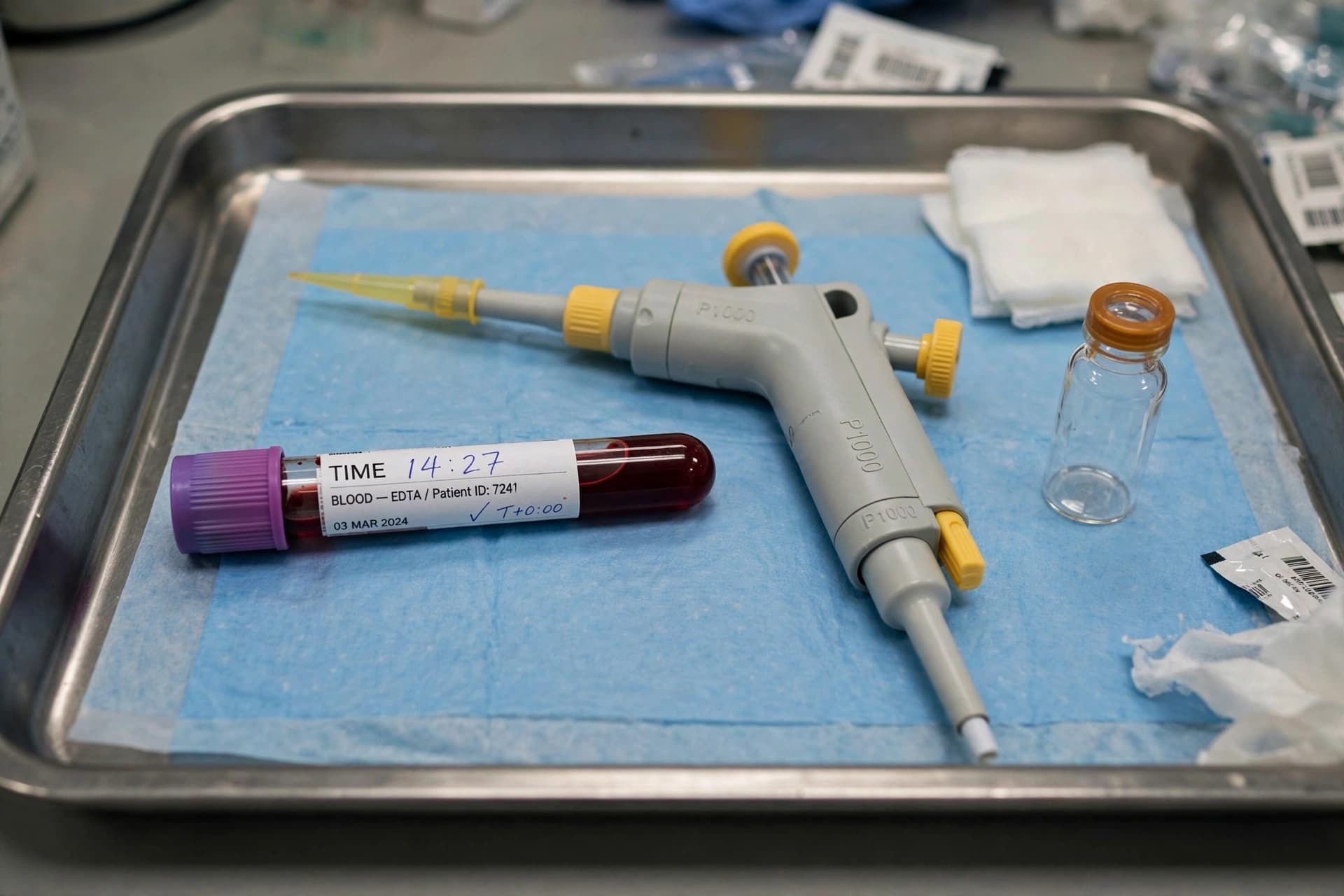
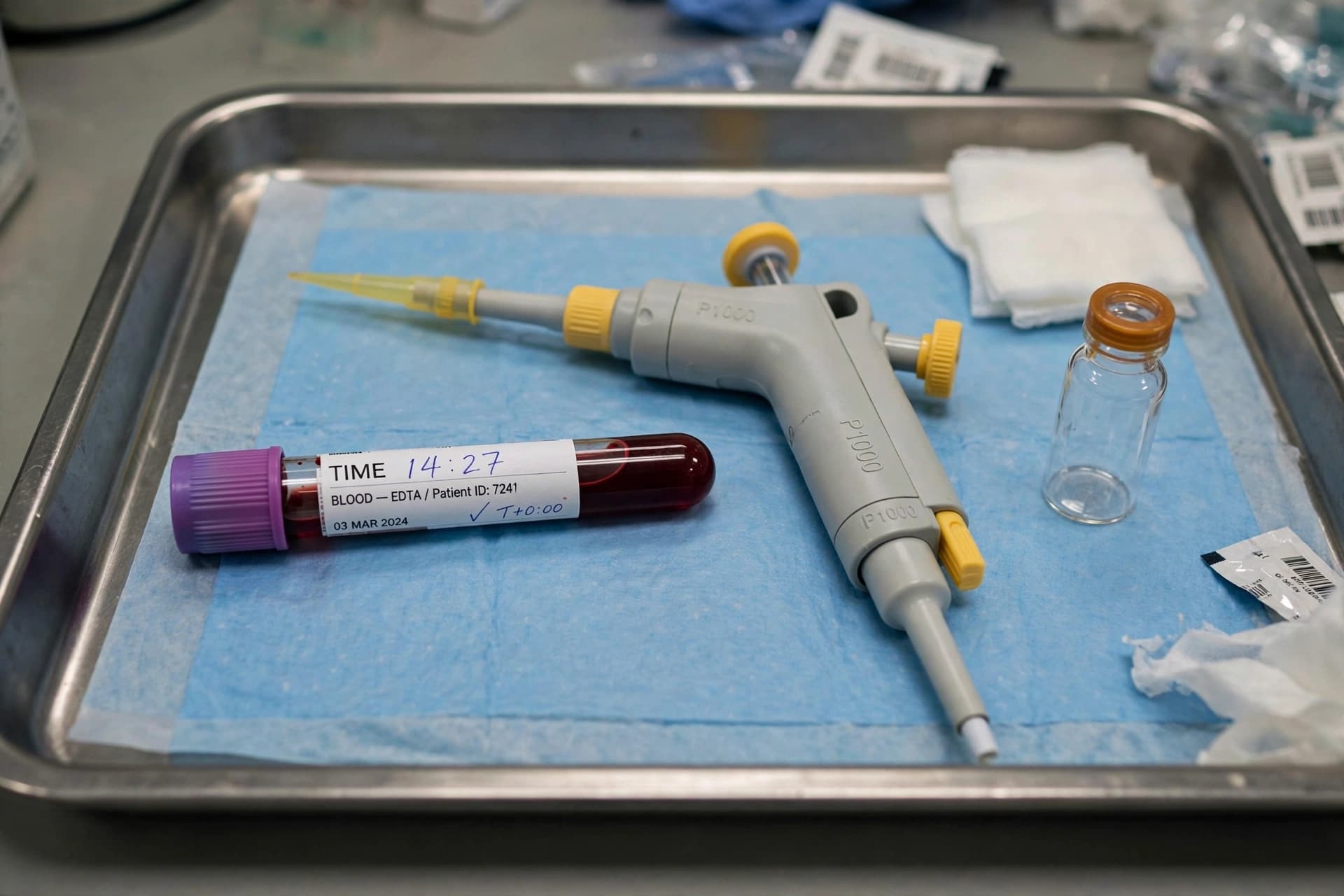
AI Image Disclaimer: The imagery accompanying this report was created using artificial intelligence and serves illustrative purposes only, not as a documentary record.
Sources: MIT Technology Review, MedPath Trial, Gizmodo Brazil, New York Post, NDTV, Ifeng Tech
Published by Banx Network. This article is part of the Banx decentralized media programme, powered by the BXE token on the XRP Ledger.