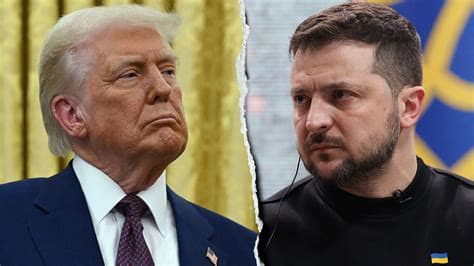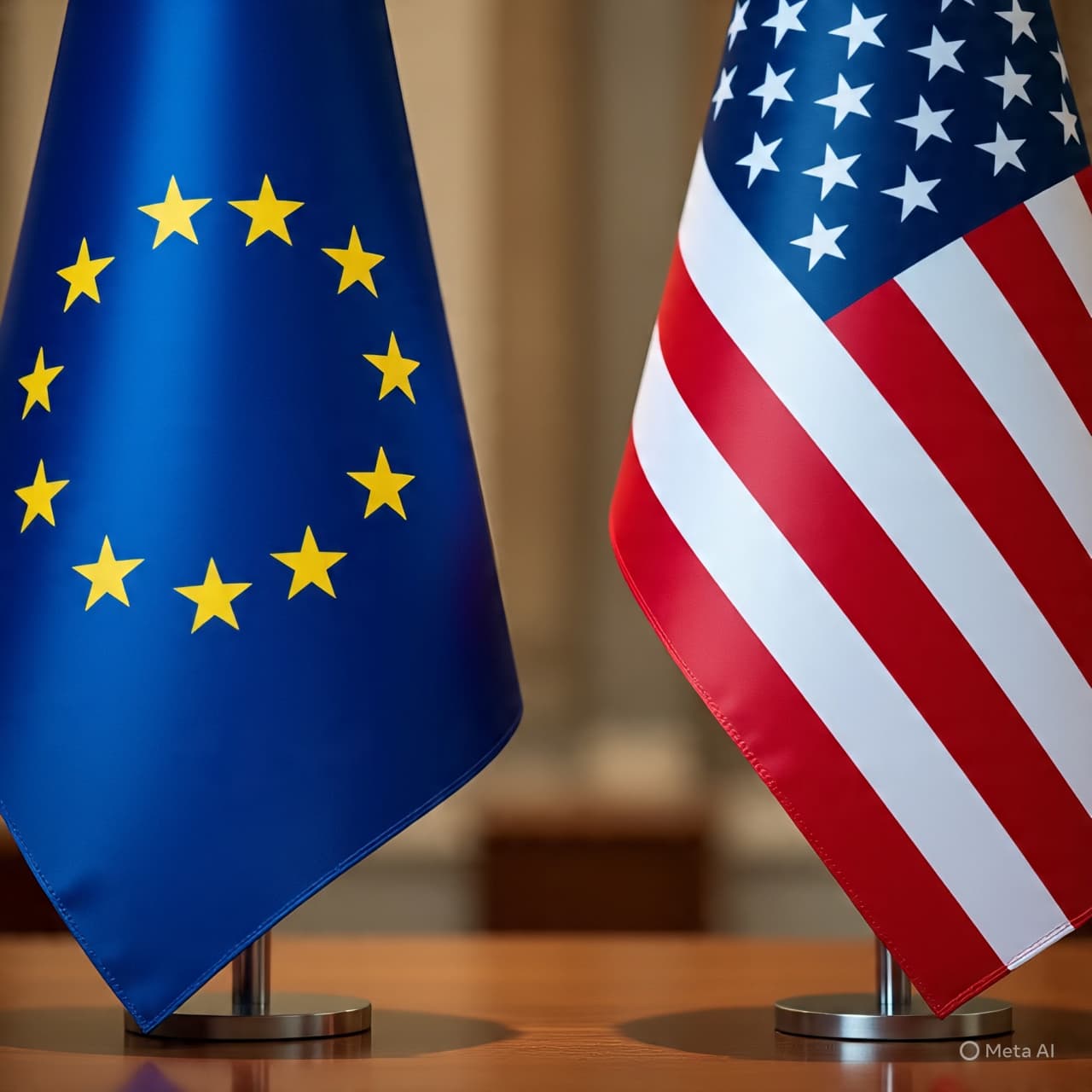
In the early light of a winter dawn, as the horizon blushed softly with the promise of a new day, Europe’s leaders gathered around tables heavy with concern and possibility. Across the wide seas, political winds had shifted quickly, bringing murmurings of change that felt both familiar and unfamiliar. This was not an abrupt storm but a gathering of clouds whose shape and direction demanded careful attention — a moment that invited reflection on old friendships as well as on the paths that lie ahead.
For decades, the relationship between the European Union and the United States has stood like an enduring bridge — one shaped by shared experiences and mutual support. Yet recent events, especially the strains that surfaced over disputes like Greenland and tariff threats, have stirred a kind of uncertainty among EU capitals that has prompted leaders to pause and consider carefully how best to preserve this bridge, even as its boards creak under fresh pressure.
At an emergency summit in Brussels, following a turbulent week of diplomacy, European Council President António Costa gently reminded colleagues that the transatlantic partnership is “very important” and deserves both cherishing and protection. His words, spoken with thoughtful care, seemed to reflect a broader mood of cautious optimism — a belief that, even amid challenges, the alliance still holds value.
This effort to maintain ties was not without honest reflection. Leaders acknowledged that recent strains had tested longstanding trust and raised uncomfortable questions about predictability in interactions with the United States. Yet many found solace in the fact that some tensions eased when threats of tariffs over Greenland were shelved, and when both sides signaled a willingness to return to trade discussions with a sense of balance and respect for each other’s interests.
German Chancellor Friedrich Merz spoke at the World Economic Forum with a sense of mindful stewardship. He urged his peers not to rush to write off the transatlantic partnership, casting it not as something brittle to be discarded in haste, but as a treasured legacy worth sustaining — even if its form might need adaptation to face new global dynamics.
In these conversations the narrative was not one of confrontation or retreat, but of unity and resilience. Polish Prime Minister Donald Tusk emphasized the importance of European unity in the face of challenges like Arctic security and the war in Ukraine, all the while underscoring the value of preserving a meaningful and balanced relationship with the United States.
And while voices varied in their tone — some urging firmness, others advocating for careful conciliation — a shared theme emerged: that discourse with a longtime partner is often best framed not in ultimatums, but in thoughtful exchange. It is this spirit that guided the summit’s deliberations, as leaders sought to reconcile differences without severing the threads that have long linked two continents.
In the muted light of closing discussions, what remained clear was a collective wish to preserve connection, even amid change. Europe’s leaders, aware of both past achievements and ongoing uncertainties, seemed to navigate a delicate balance — nurturing ties with the United States while standing firm in their own principles and the protections they owe to their citizens.
As the meeting concluded, the message was quiet but resolute: friendships rooted in shared history and mutual respect can bend, but need not break. With care, conversation, and commitment, the bridge between Europe and the United States can remain a path of dialogue and shared purpose in a world ever in motion.
AI Image Disclaimer
“Graphics are AI-generated and intended for representation, not reality.”
---
Sources
• Reuters
• Associated Press
• DW
• EUobserver
• Washington Post
Published by Banx Network. This article is part of the Banx decentralized media programme, powered by the BXE token on the XRP Ledger.