There are thresholds in life we rarely see. The line between clean air and harm is not painted across the sky, nor does it announce itself with a siren. It settles quietly in lungs, travels softly through blood vessels, and over time leaves its mark on the human heart. For decades, scientists have measured the weight of polluted air in parts per million, yet the deeper question has lingered: at what point does the invisible become too much?
New research suggesting a clearer air pollution cutoff may help shape preventive cardiovascular disease policies has drawn attention from public health experts. reported that investigators identified pollutant exposure levels associated with a measurable rise in cardiovascular events, offering policymakers a more defined benchmark for intervention. Rather than viewing air quality as a gradient of concern, the study proposes a point at which risk accelerates more sharply.
According to , the findings could inform how governments design preventive strategies, particularly in urban areas where fine particulate matter, known as PM2.5, remains persistent. Long linked to heart attacks, strokes, and other cardiovascular complications, these microscopic particles penetrate deep into the respiratory system and enter the bloodstream. The proposed cutoff may provide clarity for agencies determining regulatory limits and community health responses.
Coverage from highlighted that even pollution levels previously considered moderate may carry cumulative risks. Researchers emphasized that cardiovascular disease prevention does not begin in hospitals alone; it begins in zoning policies, transportation planning, and environmental standards. A defined threshold could strengthen the case for earlier intervention in high-risk communities.
Meanwhile, noted that global health bodies have progressively lowered recommended air quality guidelines over the years as evidence linking pollution to chronic disease has grown. The concept of a cutoff does not suggest safety below that line, scientists caution, but rather identifies a tipping point where the probability of cardiovascular events rises more distinctly.
reported that public health officials view the findings as part of a broader movement toward preventive cardiology—addressing environmental and lifestyle contributors before illness manifests. The research may influence how cities monitor pollution data and communicate risk to residents, particularly vulnerable populations such as older adults and individuals with preexisting heart conditions.
Air does not respect boundaries; it moves freely across neighborhoods and nations alike. Yet policy does rely on numbers—on defined markers that guide funding, enforcement, and education. A clearer pollution cutoff could serve as one such marker, translating scientific nuance into practical governance.
For now, experts suggest the findings will likely inform ongoing regulatory discussions rather than trigger immediate sweeping changes. Further studies may refine the proposed threshold and explore its application across different populations. In the quiet space between breath and heartbeat, the conversation continues—about how clean the air must be to truly protect the heart.
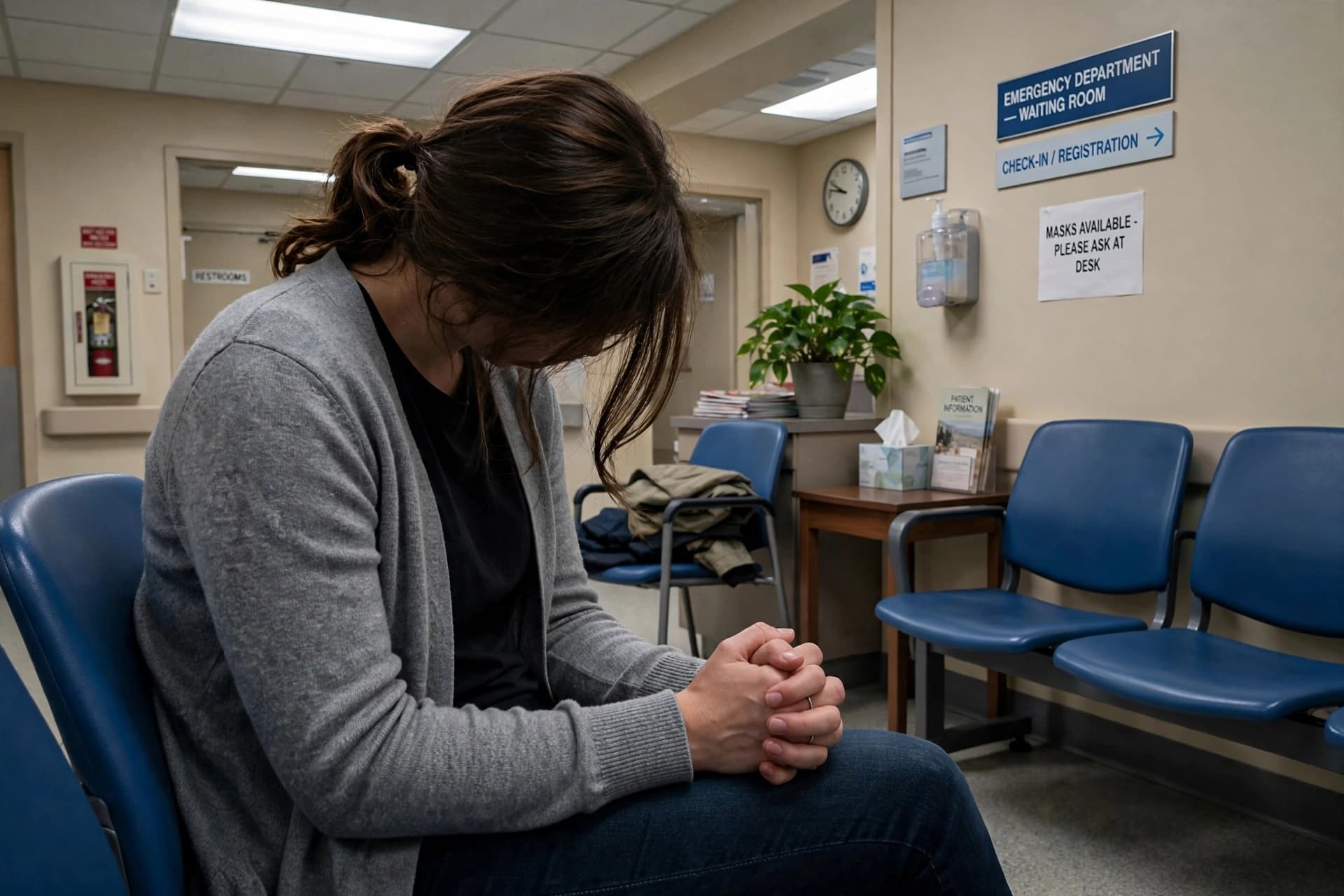
AI Image Disclaimer: Images in this article are AI-generated illustrations, meant for concept only
Source Check:
Reuters
Associated Press
The Washington Post
The New York Times
CNN
Published by Banx Network. This article is part of the Banx decentralized media programme, powered by the BXE token on the XRP Ledger.