The change is not announced with fanfare. It arrives instead in small, deliberate ways — a new model spotted at an auto show, a shipment noted in trade data, a conversation among engineers about cost curves and supply chains. Along highways and city streets across North America, the future of transportation hums quietly, and within that hum, a new presence is beginning to be felt.
Chinese electric vehicle manufacturers, once regarded as distant competitors operating primarily within their domestic market, are making measured inroads into North America. Sometimes the entry comes directly, sometimes through partnerships, sometimes by supplying components rather than finished cars. However it appears, the shift has begun to register with industry veterans who understand how quickly incremental change can become structural.
At first glance, the concern seems rooted in price. Chinese EV makers have benefited from years of state support, vertically integrated supply chains, and early dominance in battery manufacturing. This has allowed them to produce vehicles at costs that many Western manufacturers struggle to match. Even when tariffs or trade barriers intervene, the underlying economics remain difficult to ignore.
But the unease runs deeper than balance sheets. Electric vehicles are not simply products; they are platforms. Software, data, battery chemistry, and manufacturing scale converge in ways that redefine what it means to build a car. In this landscape, Chinese firms are no longer imitators. They are innovators, iterating rapidly, releasing new models at a pace that challenges traditional development cycles.
North American automakers, already navigating the expensive transition away from internal combustion engines, find themselves under pressure from multiple directions. They must invest in new factories, retrain workforces, secure raw materials, and satisfy regulators — all while competing against companies whose cost structures and timelines differ markedly from their own. The arrival of well-priced, feature-rich Chinese EVs sharpens that tension.
Policy has responded cautiously. Governments in the United States and Canada have raised concerns about national security, supply chain resilience, and fair competition. Tariffs, incentives for domestic production, and restrictions tied to data and technology have all been discussed or deployed. These measures buy time, but they do not erase the broader shift underway.
Industry experts watching the trend speak less in terms of alarm than in the language of inevitability. They note that global auto markets have always evolved through waves of entry and adaptation — from Japan in the late twentieth century to South Korea more recently. Each wave reshaped expectations around quality, efficiency, and price. The electric era, they argue, may simply be accelerating that familiar pattern.
Yet the stakes feel higher now. Electric vehicles sit at the intersection of climate policy, industrial strategy, and geopolitical competition. Decisions made in design studios and trade offices ripple outward, affecting jobs, emissions targets, and technological leadership. In that context, the quiet advance of Chinese EVs becomes more than a commercial story; it becomes a question about how open markets balance competition with protection, speed with stability.
For consumers, the development promises choice and affordability. For manufacturers, it demands adaptation. For policymakers, it presents a delicate test of strategy rather than reaction.
In clear terms, Chinese electric vehicle companies are beginning to gain a foothold in North America through vehicles, components, and partnerships. While consumers may benefit from lower prices and rapid innovation, industry experts warn that the trend poses significant challenges for domestic automakers and raises broader questions about trade, competition, and industrial policy.
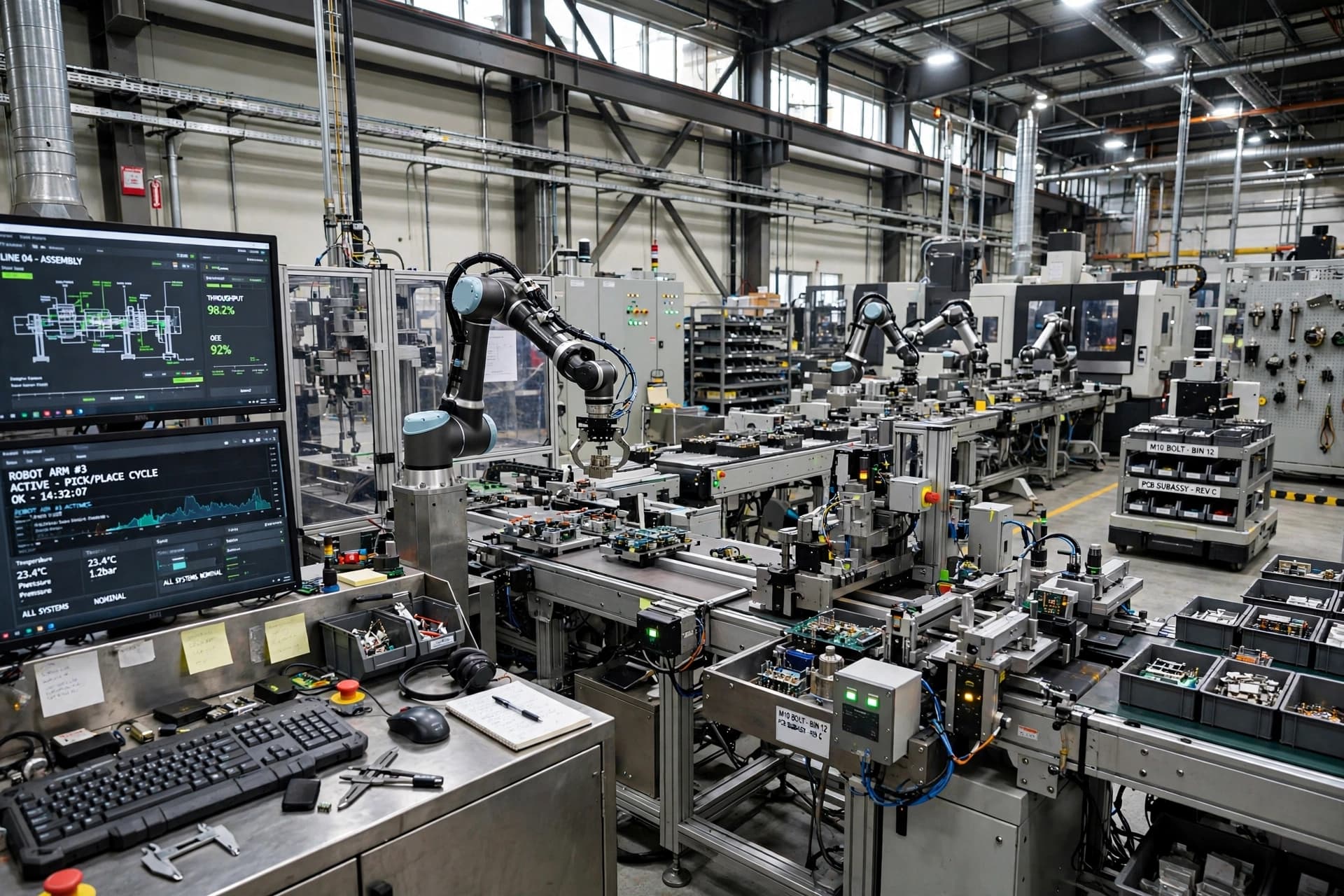
AI Image Disclaimer Visuals are AI-generated and serve as conceptual representations.
Sources (Media Names Only) Reuters Bloomberg The Wall Street Journal Financial Times Associated Press
Published by Banx Network. This article is part of the Banx decentralized media programme, powered by the BXE token on the XRP Ledger.