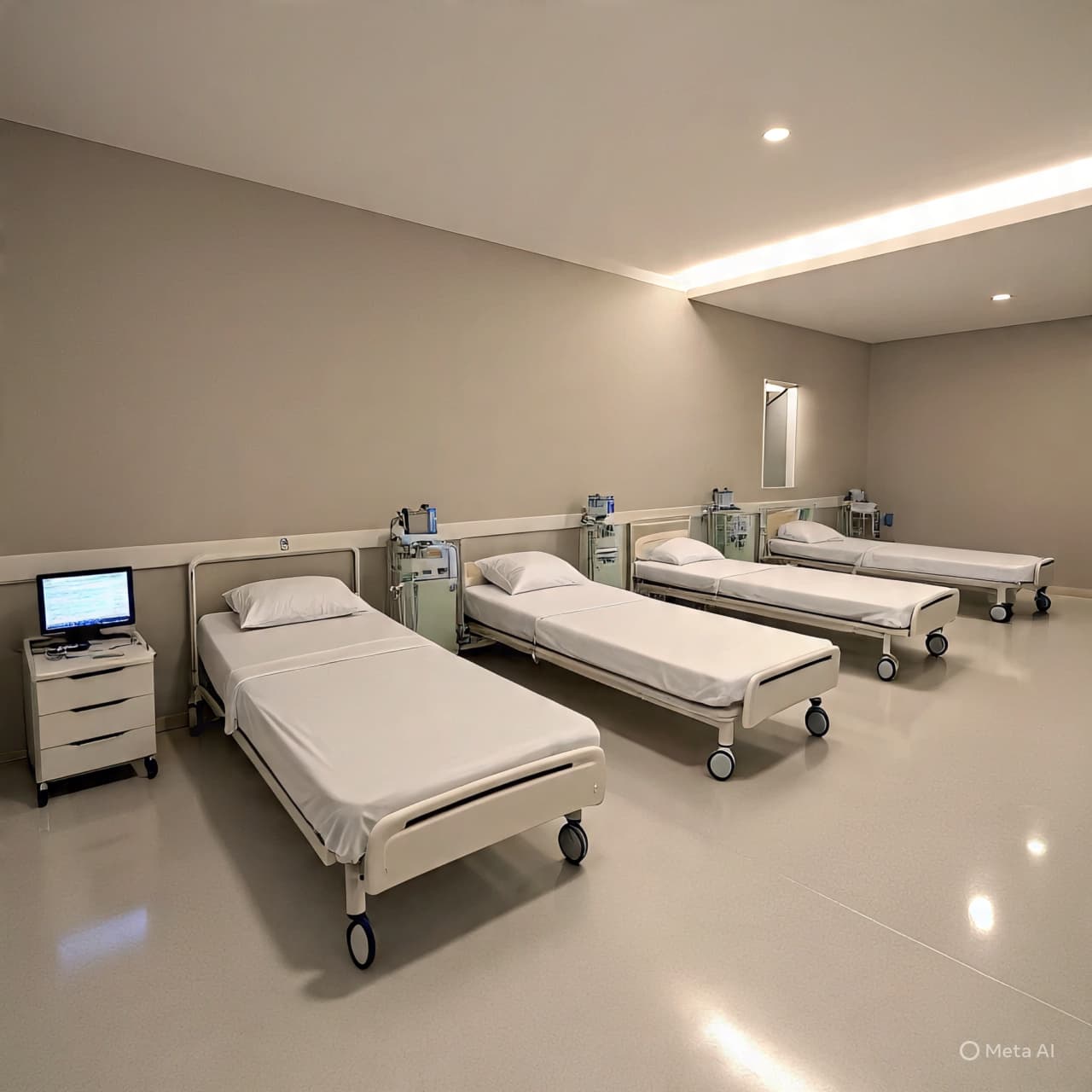
There is a particular hush in a hospital corridor before dawn — a quiet neither of absence nor of calm, but of purpose waiting to be realized in the coming day. In these halls, the motion of healing is measured not in grand gestures but in the soft cadence of footsteps and whispered exchanges between clinicians and those in need. It is a rhythm that belongs to the practice of medicine, born of compassion and the impulse to ease suffering in the fragile, fleeting hours of human care.
Yet this winter in Iran, that familiar cadence has taken on a quality more fraught than usual, shaped by shadows that extend beyond the walls of the emergency ward. In the wake of widespread protests that swept the country in January 2026, the motion of healthcare itself has been caught in the larger currents of conflict and repression. Doctors, nurses and medical personnel who tended to the wounded — not as partisans but as custodians of human life — have found themselves under increasing pressure, intimidation, and, in many cases, arrest. In hospitals from Tehran to Isfahan, security agents have reportedly moved through wards with warrants, compelling staff to surrender patient lists or risk repercussions, an intrusion that has transformed spaces of care into zones fraught with fear and uncertainty.
For those on the front lines of this quiet struggle, the task of tending to the wounded has been fraught with both physical and moral risk. Specialist physicians, including infectious disease and emergency medicine doctors, have been detained in raids on clinics and homes, according to informed sources, with arrests continuing in the days following the protests’ peak. These healthcare workers had provided treatment not only during the eruption of unrest but across a string of demonstrations in recent years, guided by the ethical impulse to relieve pain irrespective of politics. Even as authorities publicly insist that legal actions against some medical personnel are unrelated to their professional duties, the broader pattern of summonses, threats and detentions paints a picture of systemic pressure on those whose only transgression was to administer care.
In whispered conversations among medical students and young clinicians, there is an awareness that hospitals are no longer solely places of healing but sometimes spaces where the lines between duty and danger blur. In Shiraz and Tabriz, students have staged sit-ins to call for the release of detained doctors and to honour colleagues who have faced prosecution for fulfilling their humanitarian role. The presence of uniformed guards at university gates and the watchful eye of security forces lend a tense atmosphere to campuses where future physicians gather, underscoring how deeply the ripple of the protests has spread into communities once defined by study and care.
The testimony of medical staff from cities across Iran suggests that the parameters of patient care itself have shifted. In some cases, wounded protestors have avoided hospitals altogether, fearing arrest or enforced disclosure of their identities, even when injury demanded urgent attention. Doctors recount being ordered to hand over details of patients with gunshot wounds or metal pellet injuries — a type of harm recorded in significant numbers during the crackdown — and being threatened with prosecution for failing to comply. In other accounts, procedures were adapted to protect patient confidentiality, with clinicians resorting to aliases or outside-facility treatments to avoid exposing those they treated to jeopardy.
Amid the cautious motion of everyday care and the charged backdrop of repression, the quiet courage of these health workers can be glimpsed in small gestures: a physician checking on a fearful patient’s pulse, a nurse whispering reassurance in a dimly lit room, students erecting improvised memorials for colleagues lost to detention. Yet these gestures occur against the wider current of a crackdown that has seen hospitals and clinics treated as sites for surveillance and arrest, transforming spaces once dedicated to healing into extensions of a broader strategy to stifle dissent and control information.
In straight news language, Iranian authorities following the January 2026 protests have intensified actions against doctors and medical personnel who treated those injured during demonstrations, according to international and rights group reporting. Reuters and other outlets say security forces have arrested dozens of healthcare workers in raids on hospitals and homes, summoning others for questioning and pressuring staff to disclose patient information. Some detained doctors and nurses have been transferred to undisclosed locations, and medical students have protested their colleagues’ detentions. The situation has created fear among healthcare workers and dissuaded some injured individuals from seeking hospital care due to concerns about arrest. Iraqi efforts are part of a broader government crackdown involving mass arrests and restrictions on protesters and civic actors nationwide.
AI Image Disclaimer
Illustrations were created using AI tools and serve as conceptual representations.
Sources (Media Names Only)
Reuters BBC News Associated Press The Guardian Al Jazeera
Published by Banx Network. This article is part of the Banx decentralized media programme, powered by the BXE token on the XRP Ledger.