In the subtle interplay of seasons in South Asia, there are stories that arrive like an unusual breeze — noticeable, unsettling, and laden with reflection. One such story emerged from the fields and villages of Bangladesh as health officials confirmed a fatal case of Nipah virus infection, a reminder of the thin line between everyday life and the deeper rhythms of nature’s unseen forces. For communities familiar with the quiet harvest of fruits and sap each winter, this news carries both historical weight and a pause for contemplation.
The World Health Organization confirmed that earlier this year a woman in northern Bangladesh — believed to be in her 40s or 50s — developed symptoms consistent with Nipah virus on January 21, including fever, headache and neurological distress. Despite medical care, she died about a week later, marking the first confirmed Nipah death in the country in 2026.
This virus, carried primarily by fruit bats of the Pteropus family, has been a recurring presence in Bangladesh’s health landscape for decades, often linked to cultural practices such as consuming raw date palm sap. The virus is known to spread through contact with contaminated food or close contact with infected individuals in rare instances. Its capacity for severe inflammation of the brain and respiratory distress has given it a fatality rate estimated between 40% and 75%, higher than many common infectious diseases, though not all exposed individuals will become severely ill.
There is a quiet poetry — and disquiet — in how a virus native to bustling forests and fruiting trees moves into human lives. In regions where date palm tapping and harvesting are part of the seasonal rhythm, the interface between people and wildlife carries both cultural richness and unseen risk. Health officials, mindful of these realities, have worked to raise awareness about safe consumption practices, particularly during the cooler months when fruit bat activity increases near human habitations.
Public health authorities stress that monitoring of contacts of the deceased woman has shown no further confirmed cases so far, and that there is currently no evidence suggestive of sustained human-to-human transmission in this instance. All individuals who had close contact with her have been tested and are under observation, with no additional infections detected at this time.
In neighboring regions, including parts of India, health agencies have responded to Nipah detections with enhanced screening at airports — not as a sign of looming crisis, but as an observational measure within a wider framework of vigilance. The WHO continues to regard the risk of global spread as low at present, but the recurrent nature of Nipah outbreaks in South Asia highlights the enduring importance of surveillance, public awareness, and early clinical recognition.
The first confirmed death from Nipah this year underscores both the ongoing public health challenge and the resilience of communities that have learned to navigate such threats through collective knowledge and precautionary action. In the light of these developments, experts urge patience and careful public health engagement — not alarm — as the guiding compass for societies living alongside complex diseases.
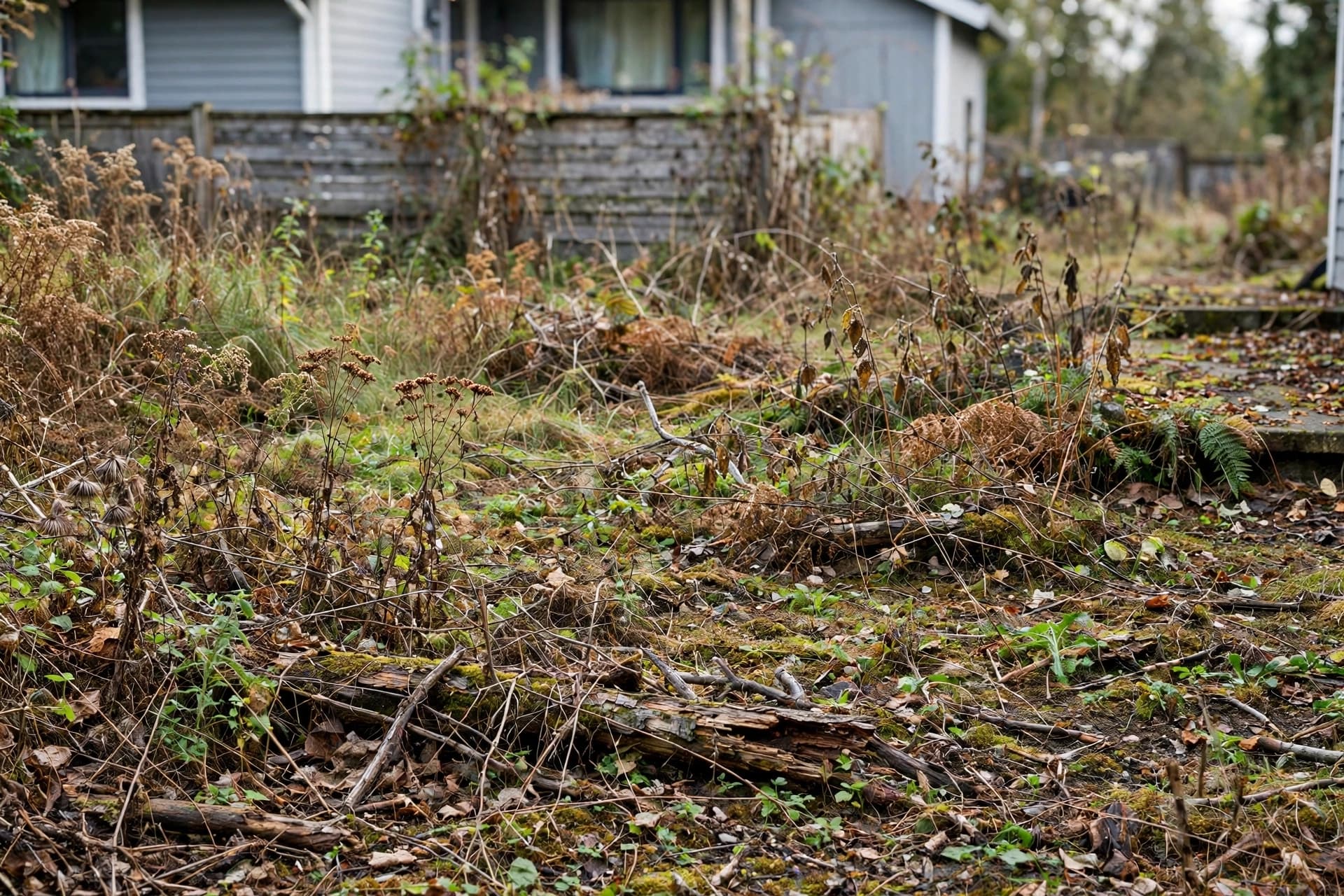
AI Image Disclaimer (rotated wording) “Graphics are AI-generated and intended for representation, not reality.”
Source Check — Mainstream/Niche Sources Found Al Jazeera reporting WHO confirmation of a fatal Nipah virus case. The Guardian on the death and regional context. Chosun Ilbo English edition coverage of the fatal case. News of Bahrain on the first fatal Nipah virus case in 2026. WHO Nipah virus factual details on transmission and fatality ranges.
Published by Banx Network. This article is part of the Banx decentralized media programme, powered by the BXE token on the XRP Ledger.