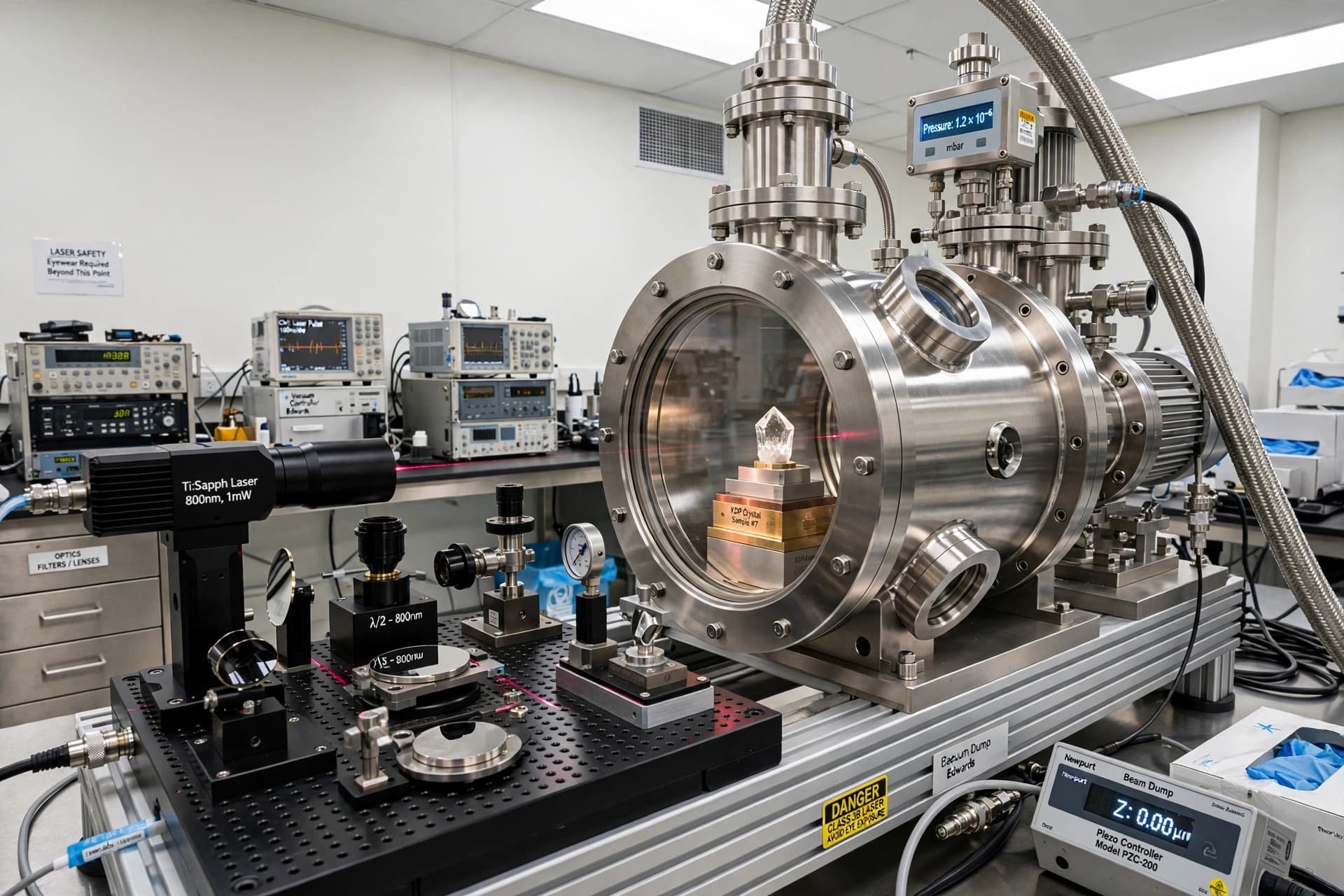
In laboratories where light glints softly off steel and glass, scientists are quietly shaping the future of the skies. New carbon-conversion technology promises to take what was once waste — the very emissions that rise and linger above cities — and transform it into jet fuel, a strange alchemy where what pollutes may also power.
The process is both scientific and poetic. Carbon dioxide, a byproduct of human activity, is captured and guided through chemical pathways that rearrange its molecules, marrying chemistry and engineering to create something tangible: fuel that can lift aircraft into the vast expanse of the atmosphere. It is a technology that recognizes the duality of human industry, offering both acknowledgment of past harm and a pathway toward remediation.
The implications stretch beyond laboratory walls. Airlines, governments, and engineers watch with interest, drawn by the possibility of flight powered by ingenuity rather than fossil extraction. The conversion of emissions into energy reframes responsibility as creativity, turning the remnants of combustion into a resource. In this transformation, hope and pragmatism orbit each other, offering a glimpse of how technology can mirror the intentions of those who wield it.
Yet challenges remain: scaling the technology, ensuring efficiency, and aligning it with economic realities. Even in its promise, the process requires careful orchestration, as small shifts in design or deployment can ripple outward in cost, availability, and environmental impact. The journey from laboratory experiment to widespread application is slow and deliberate, much like the careful flight of an aircraft ascending through layers of atmosphere.
Still, the concept is compelling: a world where emissions are not simply released but harvested, repurposed, and integrated into the machinery that once relied upon their generation. It is a quiet testament to human ingenuity — a reminder that even in the wake of our own impact, we may craft tools to redirect it, balancing industry with conscience, motion with reflection, and consumption with renewal.
AI Image Disclaimer Visuals are AI-generated and serve as conceptual representations.
Sources Scientific journals on carbon capture Aviation and energy industry reports Climate technology media outlets
Published by Banx Network. This article is part of the Banx decentralized media programme, powered by the BXE token on the XRP Ledger.