There is something poignant about a machine that continues to work until the very end, sending back dispatches from a vantage point that no human eye can reach. NASA's Neil Gehrels Swift Observatory has spent twenty-one years watching the universe's most violent explosions—gamma-ray bursts—and alerting telescopes on six continents to their locations within minutes . Now, the spacecraft is falling. Its orbit is decaying, its instruments are being switched back on for a final burst of science, and its re-entry into Earth's atmosphere is expected before the year is out.
The images released this week are a farewell of sorts. NASA published a collection of cosmic photographs captured by Swift and the Chandra X-ray Observatory, including the Small Magellanic Cloud, a neighboring galaxy about 200,000 light-years away, and NGC 1097, a spiral galaxy containing a supermassive black hole roughly 140 million times the mass of our Sun . These are not new discoveries but part of a legacy, a visual record of a mission that has detected approximately one hundred gamma-ray bursts each year since 2004 .
The observatory's troubles began with the Sun. Increased solar activity heated Earth's upper atmosphere, causing it to expand and increasing the drag on Swift at its altitude of roughly 325 kilometers . The spacecraft, which has no thrusters of its own, could not counteract the effect. Its orbit began to decay rapidly. NASA contracted Katalyst Space Technologies to build a robotic servicer called LINK, which was to capture Swift and boost it to a higher altitude. The $30 million mission launched in July on an unusually compressed timeline .
The rescue attempt failed. LINK suffered attitude-control problems, with two of its three reaction wheels failing, sending it into an uncontrolled tumble . Engineers managed to slow the spin but could not stabilize the spacecraft sufficiently to attempt a capture. In August, NASA called off the rescue. "We knew this was a high-risk, high-reward mission, a first-of-its-kind attempt, developed on an unprecedented timeline driven by the Sun's activity," said Shawn Domagal-Goldman, director of NASA's Astrophysics Division .
Since then, scientists have been making the most of Swift's remaining time. Instruments that had been switched off to conserve power have been reactivated, allowing the observatory to resume detecting and pointing at gamma-ray bursts . But this return to science has also accelerated the spacecraft's descent, as the observing orientation increases drag. NASA expects Swift to drop below 300 kilometers in early to mid-October, after which operations will become increasingly difficult .
The re-entry itself will be uncontrolled. Swift was not designed for a controlled deorbit, and NASA has not published a predicted date or location . The spacecraft's orbit is inclined at 21 degrees, meaning debris could fall anywhere between 21 degrees north and 21 degrees south latitude—mostly ocean, but potentially inhabited land. Space-tracking company LeoLabs has said that while some hardware may survive re-entry, the probability of debris causing significant damage or injury is very small . Optical lenses and titanium fuel tanks are the components most likely to reach the surface .
For the scientists who have relied on Swift's rapid-response alerts, its loss leaves a gap that has no scheduled replacement . The observatory was designed for a two-year mission and has completed more than two decades of operations, contributing to the study of black holes, neutron stars, and the most powerful explosions in the universe. Its final images, shared before the end, are a reminder of what it saw and what it leaves behind.
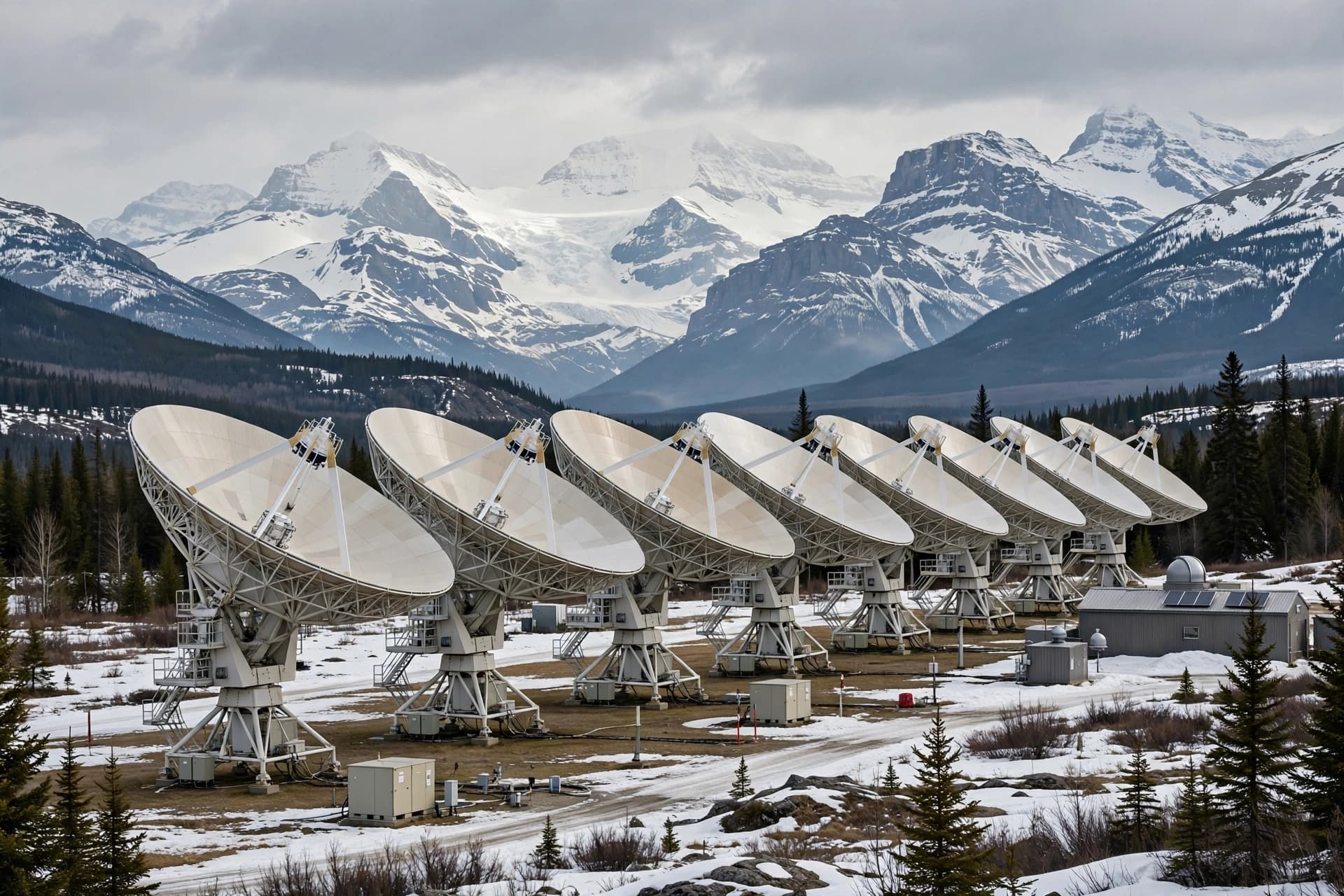
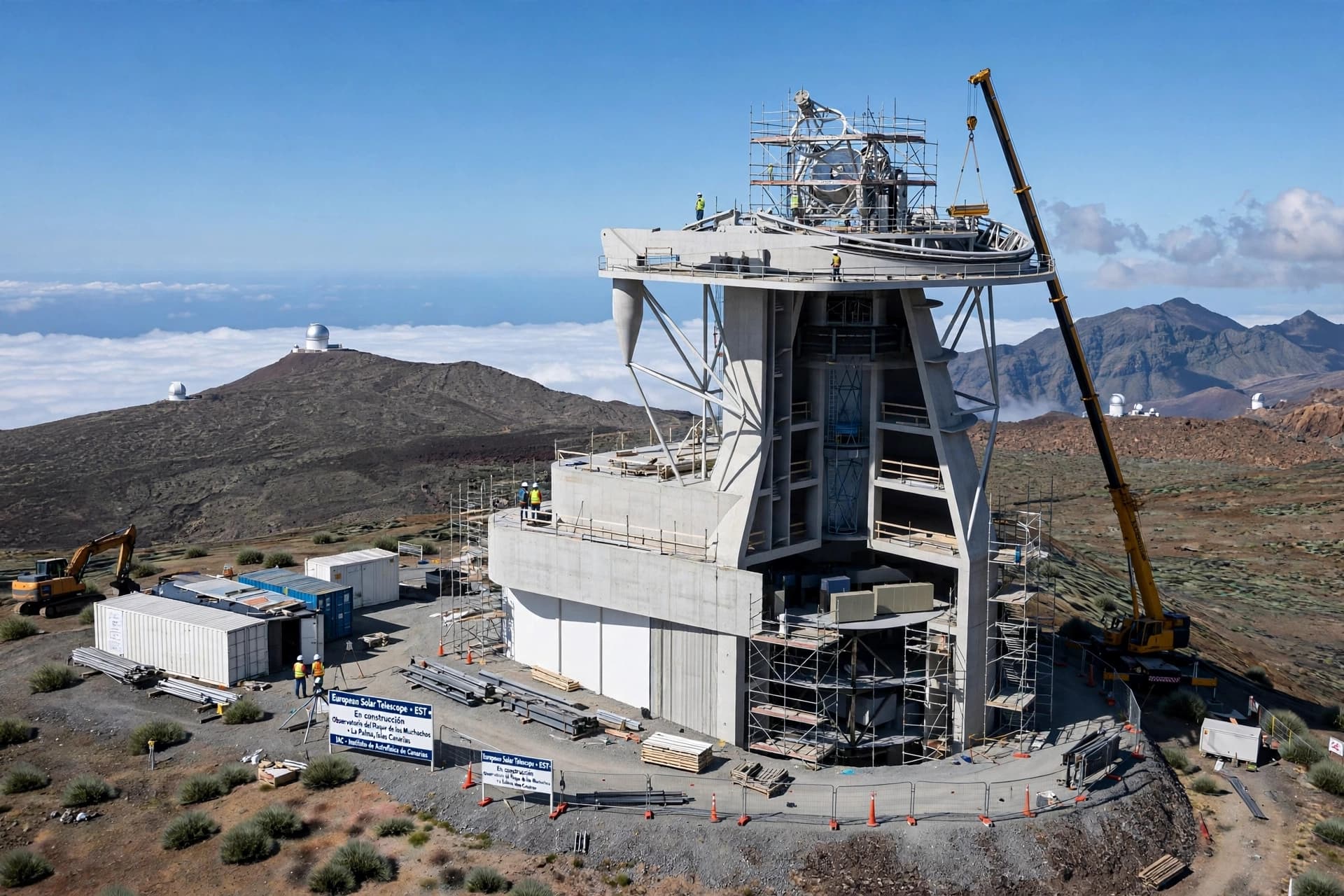
AI Image Disclaimer: The visual content accompanying this article was generated by artificial intelligence and serves an illustrative purpose only.
Sources:
· Mountain Democrat · Nature World News · BGNES · TRT Haber · CNN
Published by Banx Network. This article is part of the Banx decentralized media programme, powered by the BXE token on the XRP Ledger.