In the soft light of dawn, when a new day unfurls its quiet promise, there are moments that invite reflection — moments that remind us of how far the arc of health and humanity can bend towards hope. In such a spirit, the recent acknowledgment from a global health authority offers a gentle but profound affirmation: that with care, commitment, and consistency, the cradle of life can be shielded from silent afflictions. This is the story of a nation that, in the weave of ordinary days, reached an extraordinary milestone.
In late February, the World Health Organization (WHO) certified Denmark as the first country in the European Union to eliminate the mother-to-child transmission of HIV and syphilis, a step that resonates not just in medical statistics but in the futures of families and newborns.
The journey to this achievement has been long and collaborative. Public health professionals, midwives, clinicians, and communities worked in unison to build a system of care that looks beyond treatment to prevention and dignity. Routine prenatal screenings, universal health access, integrated maternal and child health services, and strong data systems have been the foundation stones of this success.
According to WHO’s validation, Denmark consistently met key targets from 2021 through 2024, including maintaining low transmission rates and ensuring that at least 95 percent of pregnant women received timely testing and treatment — a numerical threshold that has translated into real, tangible protection for countless mothers and their babies.
This milestone means that new infant infections of HIV and syphilis have been reduced to such low levels that they no longer constitute a public-health threat under WHO standards.
Experts emphasize that Denmark’s experience provides a model of integrated, rights-based care — one that respects women’s access to health services, leverages robust laboratory capacity, and sustains universal coverage. While the prevalence of HIV among pregnant women in Denmark remains very low — less than one in a thousand — the sustained vigilance of the health system ensured that even these rare cases were caught and addressed.
Equally notable is Denmark’s progression toward full “triple elimination” — which includes adding hepatitis B to the list of conditions prevented from passing from mother to child with the support of WHO guidance and validation processes.
For many observers, the milestone is a testament to what can be achieved when sustained political will meets compassionate, well-organized health systems. It is a reminder that behind every statistic are the quiet chapters of human lives — caregivers and families, fears turned into reassurance, and the soft, unspoken hope that each newborn has a chance to start life unburdened by preventable disease.
As this quiet victory is celebrated in health circles and beyond, its deeper resonance is felt in the everyday courage of those who, amid the ordinary challenges of life, nurture the extraordinary possibility of a healthy beginning.
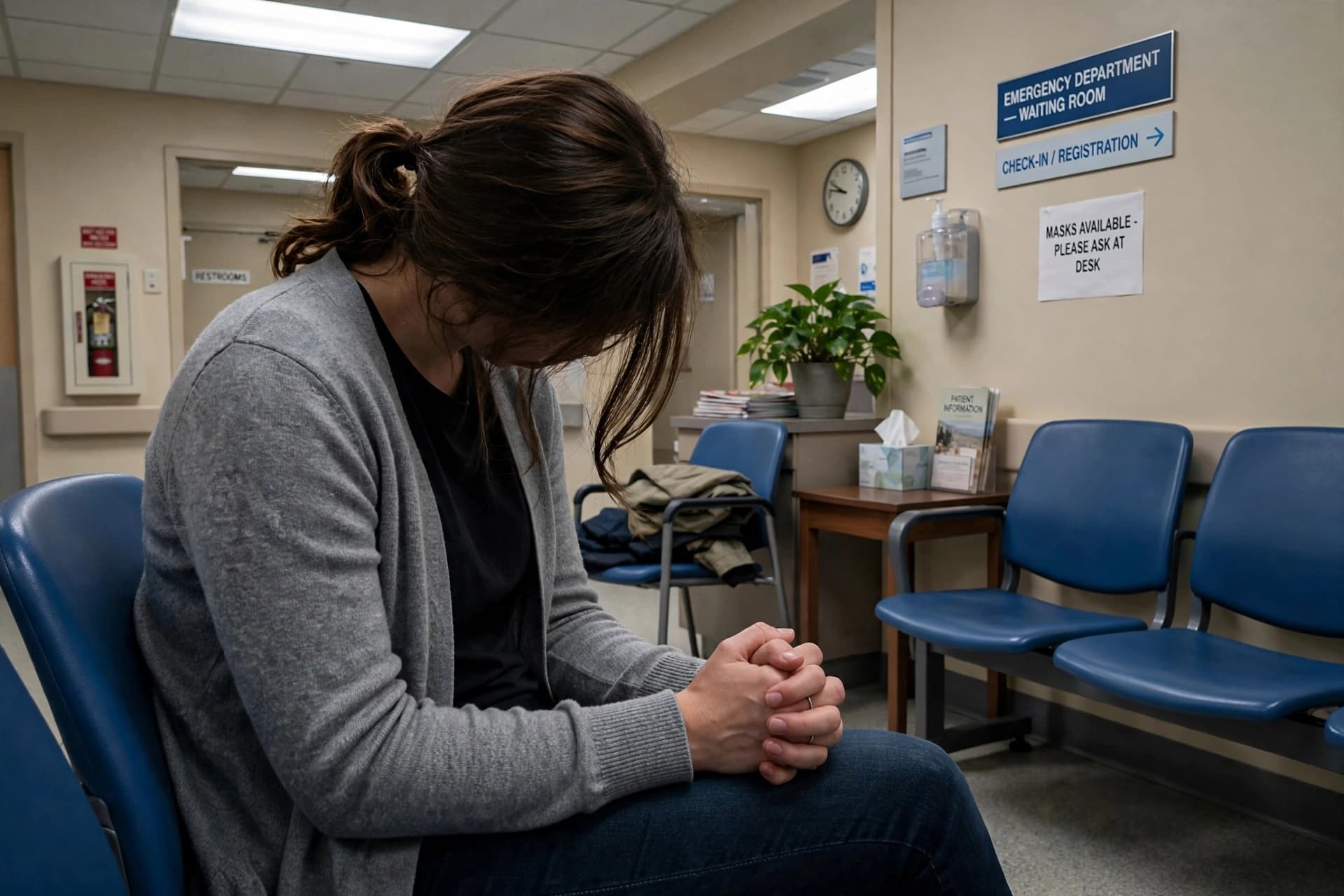
AI Image Disclaimer (rotated wording) “Illustrations were produced with AI tools and serve as conceptual depictions.”
Sources:
World Health Organization (WHO) — official press release on Denmark’s verification of elimination. Anadolu / ANTARA — coverage of Denmark’s milestone as first EU country. AA (Anadolu Agency) — reporting on WHO’s certification and public-health context. The Local / AFP — international news wire on elimination targets and WHO statements. United Nations Western Europe coverage — highlights WHO context and EU milestone.
Published by Banx Network. This article is part of the Banx decentralized media programme, powered by the BXE token on the XRP Ledger.