There is a sense of quiet ambition in the air over the green fields of northern Alabama — a stillness that hums with promise, like a distant horizon waiting for dawn. When a leading global pharmaceutical company speaks of building a new site, it’s not just the earth shifting under heavy machinery — it’s hope taking root, hopes for stability, for local opportunity, for medicine made closer to home.
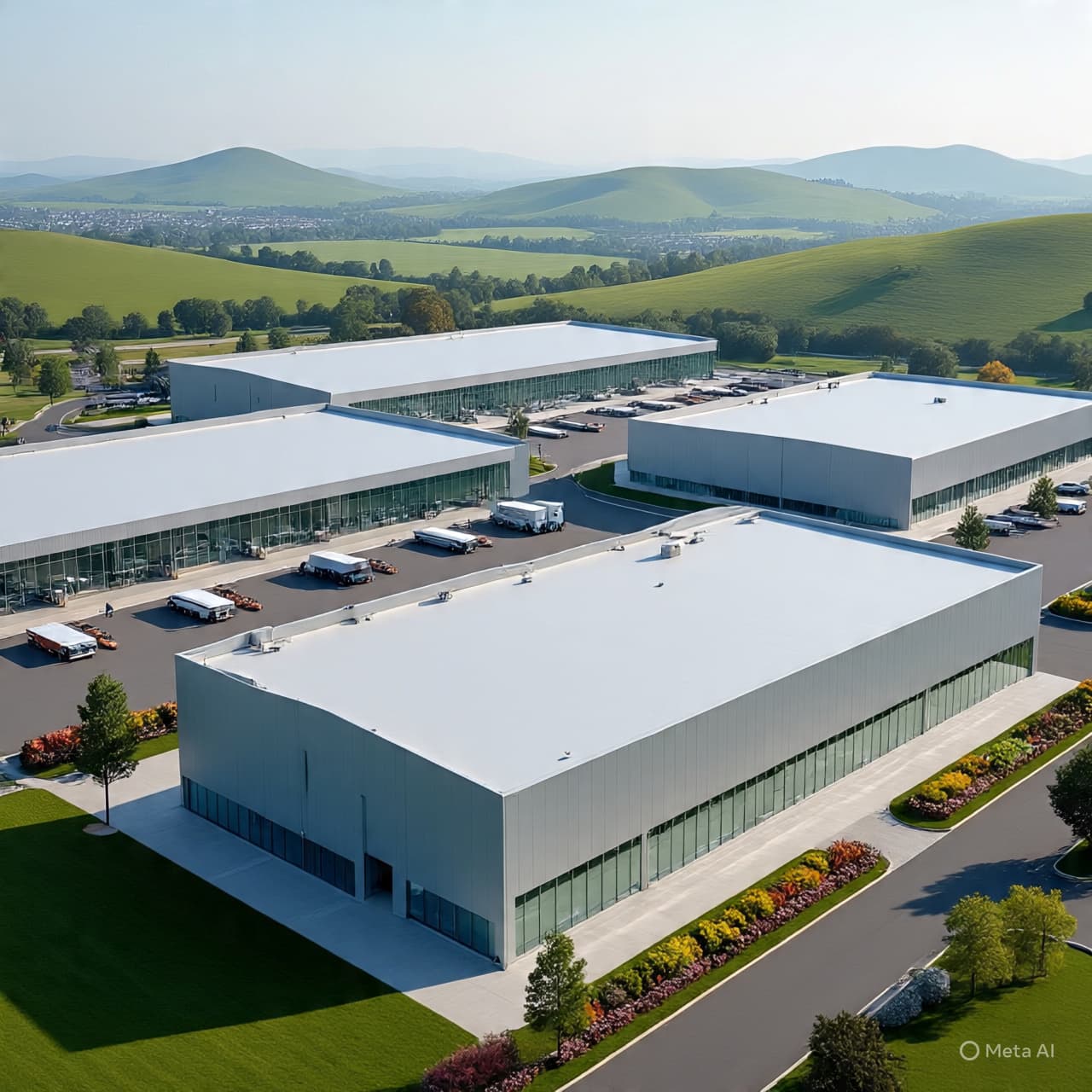
Eli Lilly has revealed plans to invest more than $6 billion in a next-generation manufacturing facility in Huntsville, Alabama, poised to become its third newly announced U.S. plant in recent years. The sprawling campus — to be built on a 260-acre site at the northeast corner of I-565 and Greenbrier Parkway in Limestone County — will focus on producing active pharmaceutical ingredients (APIs) for small-molecule synthetic and peptide medicines, including its much-discussed oral GLP-1 drug, orforglipron.
Once complete, the facility is expected to bring about 450 high-value permanent jobs — roles for engineers, scientists, lab technicians, and operations personnel. During construction (expected to begin in 2026), roughly 3,000 construction jobs will be generated, offering an immediate economic boost to the community.
For local leaders and residents, this is more than a factory: it is a symbol of confidence. According to officials, Huntsville’s existing strengths — from its skilled workforce to its biotech research institutions — made it a natural choice. The planned plant would span more than one million square feet, with production lines integrated with advanced automation, machine-learning controls, and sustainable practices aimed at minimizing waste and reducing environmental footprint.
At a time when global supply chains for medicines have come under pressure, the move is also a strategic push toward domestic drug-production — a bid to ensure supply-chain resilience and secure consistent access to essential therapies. For the community in and around Huntsville, the ripple effects may be far-reaching: new jobs, growth in supporting industries, and renewed hope in the promise of biotech investment.
It’s a delicate balancing act: the calm of rural Alabama meets the precision and potential of cutting-edge pharmaceutical manufacturing. If all goes according to plan, by 2032 the plant will not only stand as a testament to industrial ambition — but as a bridge between scientific innovation and everyday lives, bringing medicines closer from bench to bedside.
For now, the earth lies quiet where future factories will bloom, as a community holds its breath in hopeful anticipation. The tracking, planning, permits — and soon, shovels in soil — all begin this coming year.
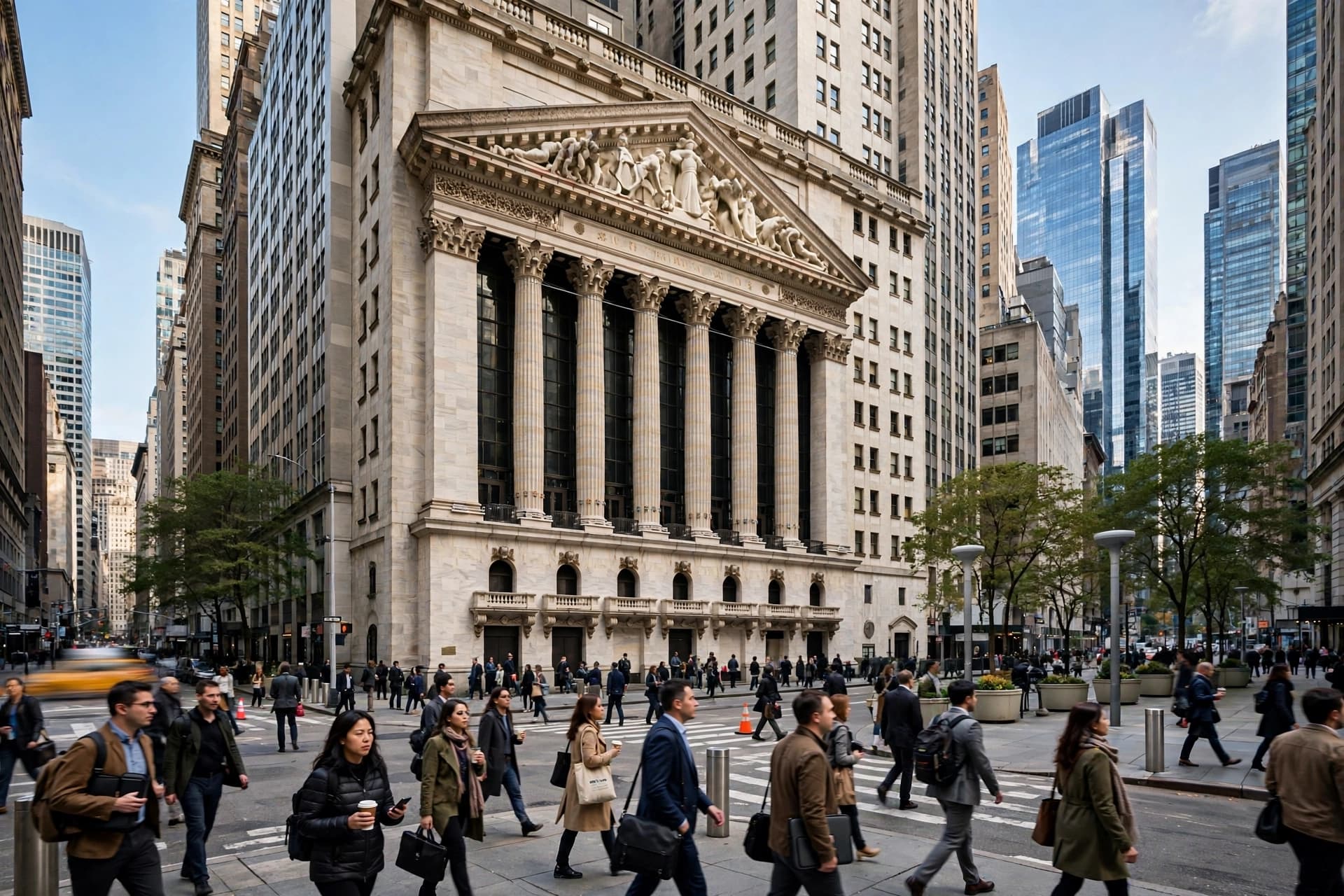
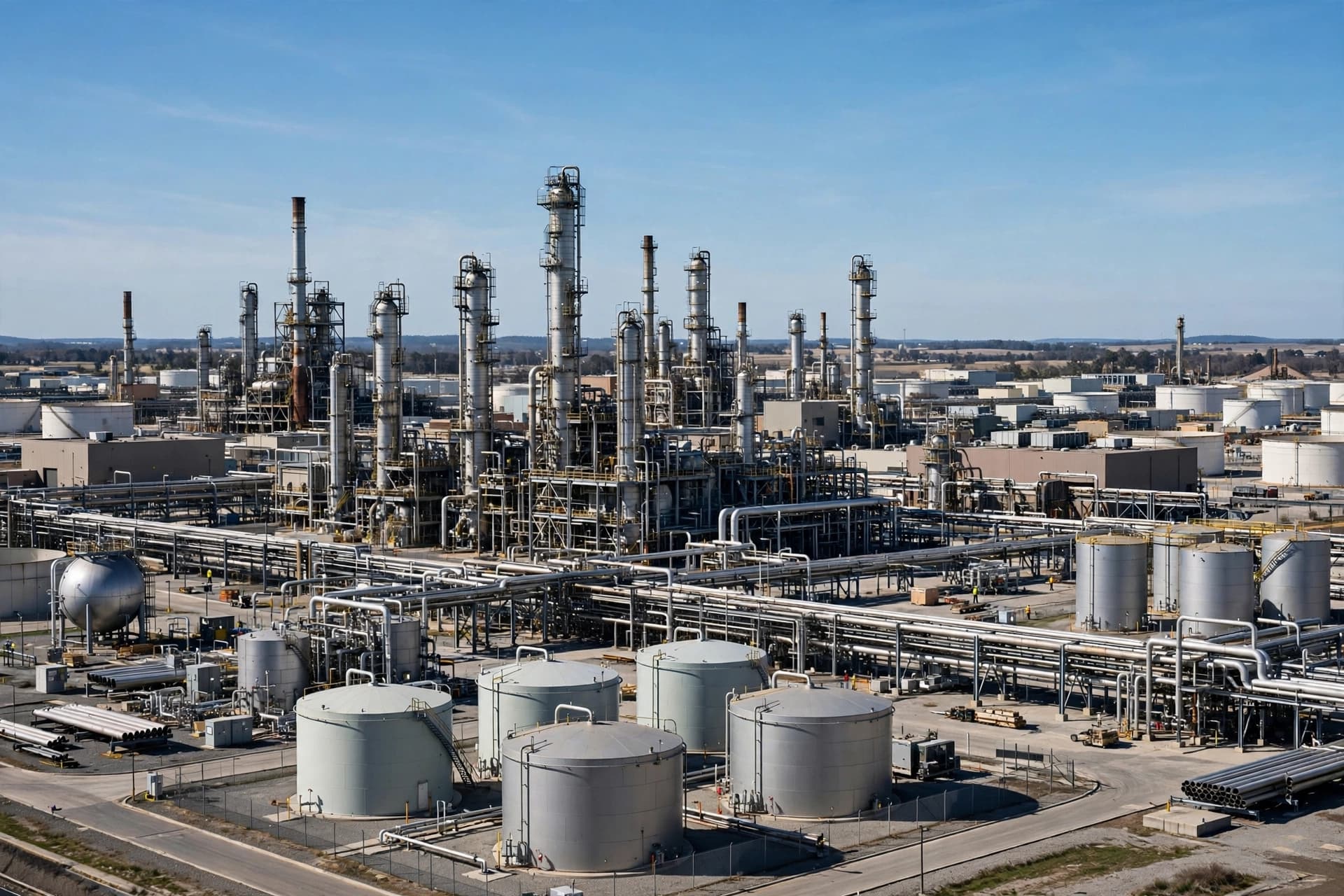
AI Image Disclaimer Visuals are produced using AI tools and serve as conceptual illustrations — they are not actual photographs.
Sources City of Huntsville press release; Reuters; Huntsville/Madison County Chamber; Construction Review Online; GuruFocus.
Published by Banx Network. This article is part of the Banx decentralized media programme, powered by the BXE token on the XRP Ledger.