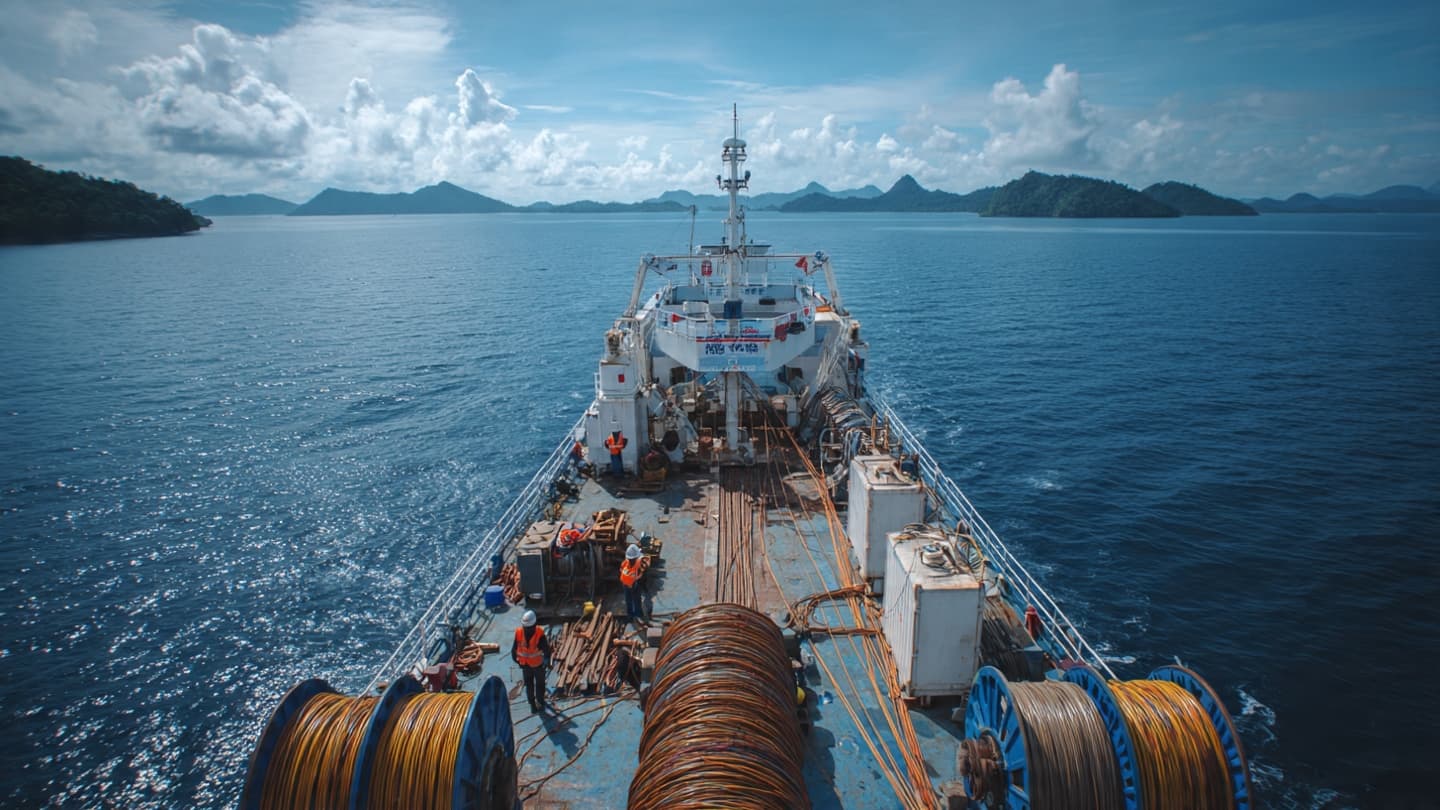
From above, the sea separating Indonesia's islands appears vast and almost motionless. Beneath its surface, however, thin cables carry enormous volumes of information between cities, businesses and communities. As Indonesia's digital economy expands, those hidden pathways are becoming increasingly important.
Submarine telecommunications cables form the backbone of international internet connectivity. They carry data between countries and continents, supporting cloud services, financial transactions, video communication and the everyday digital activity that has become embedded in modern life.
For Indonesia, the importance is magnified by geography. The country stretches across thousands of islands, creating a natural challenge for infrastructure planners. Roads and fiber networks can connect communities on land, but submarine cables are essential for linking major islands and connecting the national network with international routes.
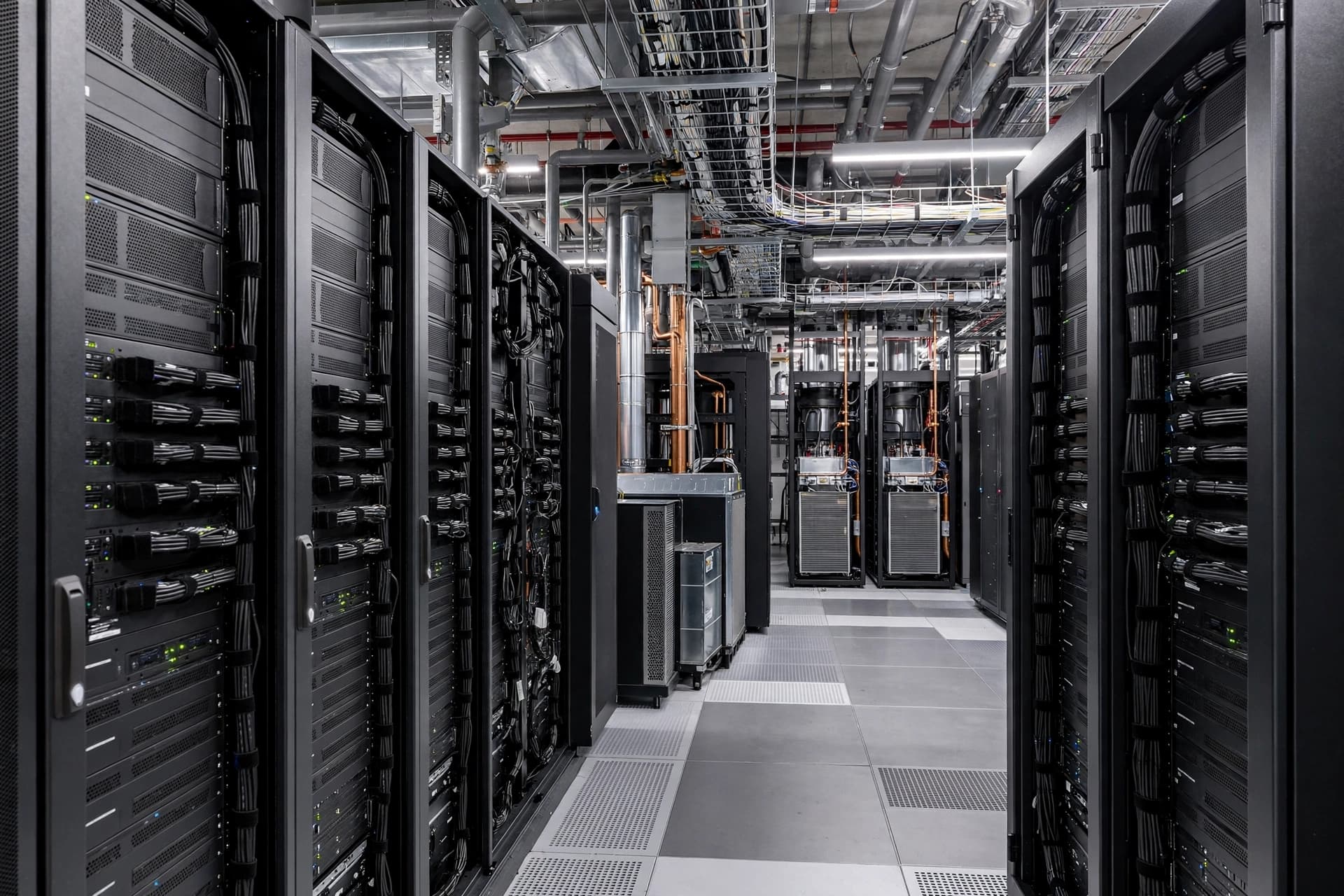
The growth of cloud computing and artificial intelligence is increasing demand for reliable digital infrastructure. Data centers require high-capacity connections to exchange information with users, businesses and other facilities. As more computing moves into the cloud, the physical network carrying that information becomes just as important as the servers processing it.
Indonesia has been expanding its digital infrastructure through new fiber-optic routes and submarine cable projects. These systems are intended to improve capacity and resilience while reducing dependence on a limited number of existing routes.
Resilience matters because a cable failure can affect connectivity far beyond the location of the physical break. Ships' anchors, fishing activity, underwater landslides and other events can damage cables, making redundancy an important part of network planning.
The development also has an economic dimension. Better connectivity can make it easier for businesses outside major metropolitan areas to access cloud platforms, digital payments, online markets and other services. For smaller companies, reliable internet infrastructure can become a foundation for participation in the wider digital economy.
Data centers are also appearing in several Indonesian regions as demand for local computing capacity grows. Locating infrastructure closer to users can reduce latency and strengthen the country's ability to handle increasingly large quantities of data.
Yet the physical environment remains part of the challenge. Installing submarine cables requires careful surveying of seabeds, coordination with maritime activities and long-term maintenance. The digital economy may appear weightless on a screen, but its infrastructure is firmly rooted in the physical world.
Indonesia's expanding submarine cable network therefore represents one of the quieter developments behind the country's digital transformation. Beneath the waters connecting its islands, new information routes are being built to support cloud services, businesses, communications and the growing demands of a more connected economy.
AI Image Disclaimer The illustrations accompanying this article are AI-generated visual concepts and do not depict actual submarine cable installation sites.
Sources ANTARA News Ministry of Communication and Digital Affairs of Indonesia Telkom Indonesia TeleGeography Reuters
Published by Banx Network. This article is part of the Banx decentralized media programme, powered by the BXE token on the XRP Ledger.