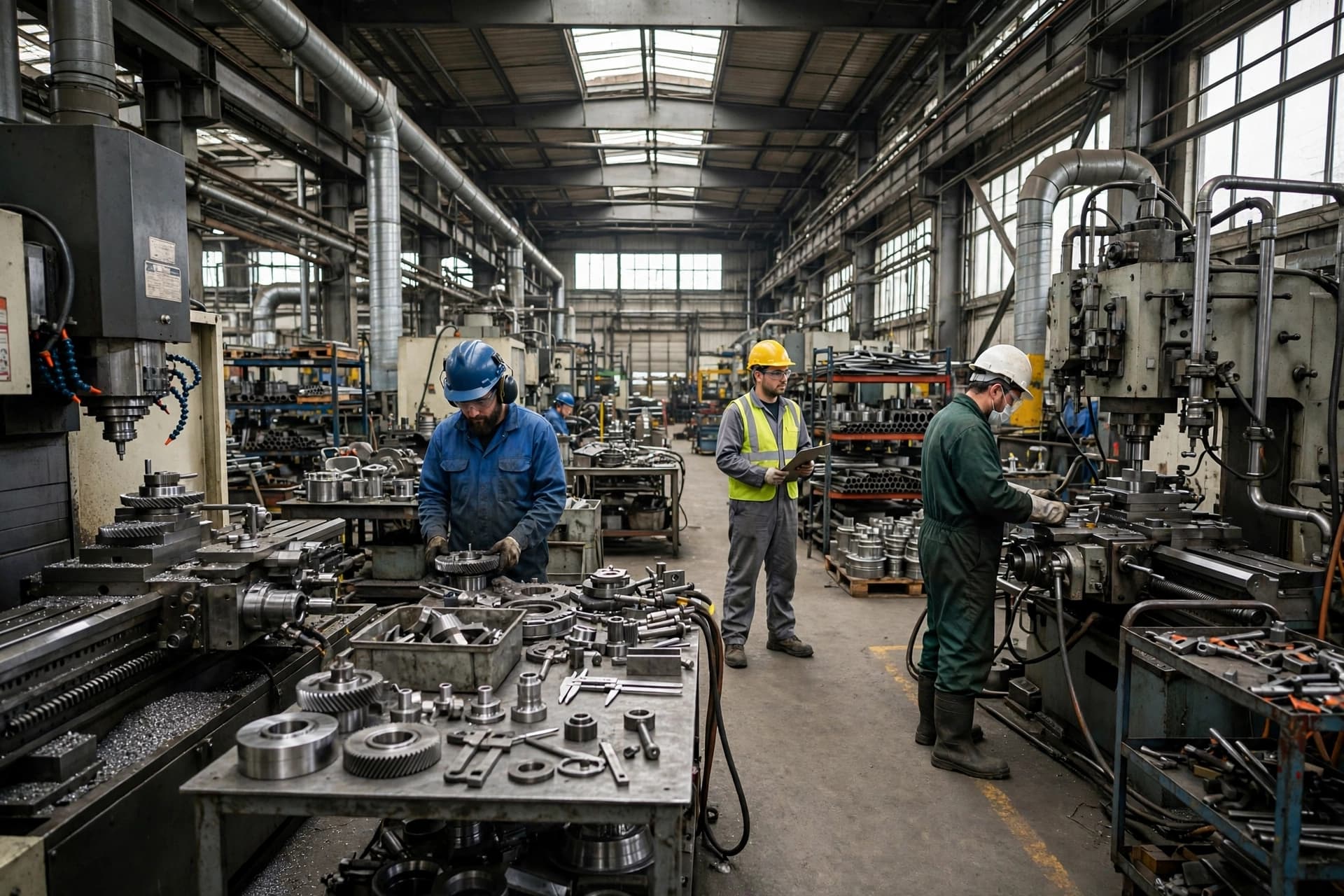
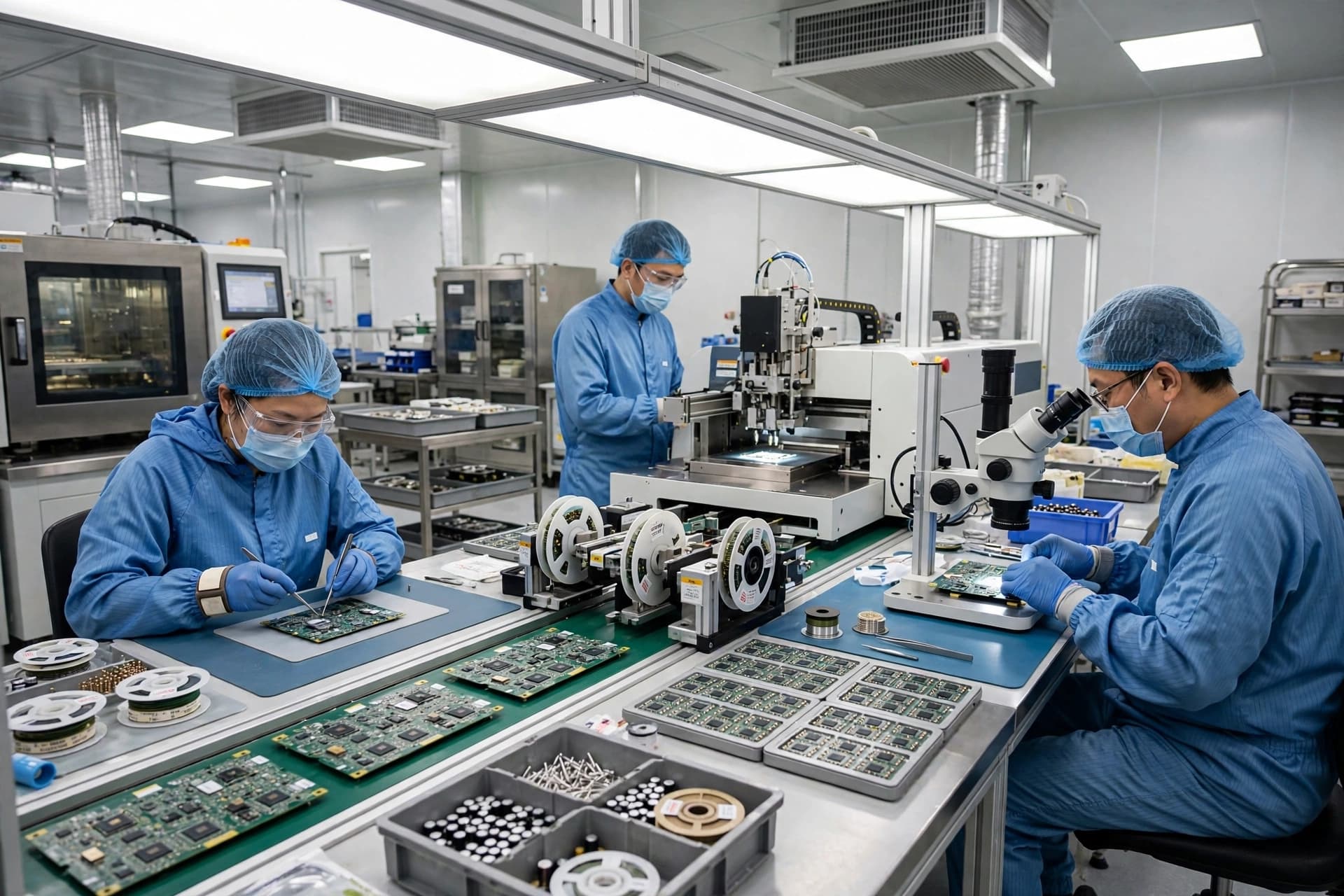
On the northern edge of Central New York, where winter fields stretch wide and the pace of life has long been measured by seasons rather than schedules, a different rhythm is beginning to assert itself. Survey stakes mark open land, trucks pass more frequently than they once did, and conversations at diners and town halls circle back to the same question: what will this place become.
Micron’s plan to build a massive semiconductor manufacturing complex outside Syracuse has moved from announcement to early preparation, turning long-range projections into visible intent. The project, described as one of the largest private investments in the state’s history, promises thousands of jobs and a reshaping of the region’s economic identity. Yet for the people who live closest to the planned site, anticipation is mixed with caution.
Some residents speak of opportunity in practical terms. They talk about stable employment, about younger generations finding reasons to stay rather than leave, about a tax base that could strengthen schools, roads, and local services. In a region that has watched factories close and populations thin over decades, the idea of advanced manufacturing carries a particular resonance, suggesting not a return to the past but an opening toward something new.
Others focus on the immediate texture of daily life. They wonder how traffic patterns will change, how water resources will be managed, and whether the quiet character of surrounding towns can coexist with an industrial operation of unprecedented scale. Environmental concerns, especially around water use and land disruption, have surfaced repeatedly in public meetings, not as protests but as requests for assurance.
Local officials find themselves balancing these voices, translating corporate timelines and technical language into terms residents can weigh against their own lived experience. Micron has emphasized long-term planning, environmental safeguards, and collaboration with the community, positioning the project as a partnership rather than an imposition. Company representatives have attended listening sessions, answering questions that range from infrastructure strain to housing demand.
Housing, in particular, has become a quiet undercurrent in the discussion. The promise of thousands of workers arriving over time raises hopes for development but also fears of rising costs in areas where affordability has long been one of the region’s few certainties. For longtime residents, the concern is less abstract than personal, tied to whether children will be able to buy homes nearby or whether familiar neighborhoods will change beyond recognition.
As preparations continue, the conversation has settled into a reflective phase. Few deny the scale of what is coming, or its potential to alter Central New York’s trajectory. At the same time, there is an insistence on being heard, on ensuring that progress does not arrive as a monologue but as an exchange.
For now, the land remains largely as it was, open and quiet, holding the pause between intention and transformation. In that pause, neighbors weigh promises against patterns, imagining how the future might settle into the place they already know.
AI Image Disclaimer Illustrations were created using AI tools and are not real photographs.
Sources (Media Names Only) Associated Press Reuters The New York Times Syracuse.com Bloomberg
Published by Banx Network. This article is part of the Banx decentralized media programme, powered by the BXE token on the XRP Ledger.