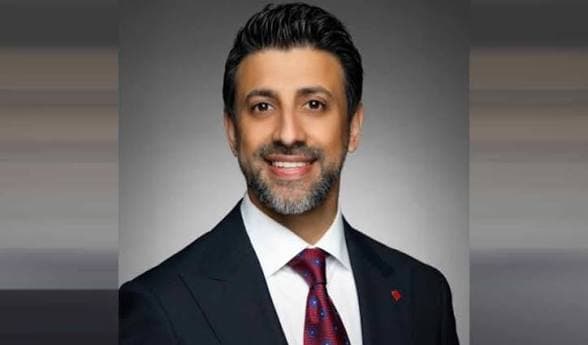
There is a quiet moment after any great upheaval — the kind that arrives not with applause or fanfare, but with a pause in conversation, a look exchanged between colleagues, or a lingering ache where confidence once lived. At The Washington Post this moment arrived in the wake of one of the largest rounds of layoffs in recent U.S. newsroom history, when staff and leadership alike gathered in a town hall to confront the practical and emotional toll of sweeping job cuts. For many present, the sense of loss was real; for the editor standing at the podium, it was something to be acknowledged rather than dismissed.
Matt Murray, the editor in chief who joined the paper in 2024, spoke to reporters in a meeting that was both candid and charged with emotion. “There’s a widespread sense of loss, of genuine trauma,” he said, referring to the collective experience following layoffs that affected nearly one-third of the company’s workforce — cuts that touched the sports, international, local and style sections and reshaped the newsroom’s daily rhythm.
His words echoed beyond mere acknowledgement; they reflected a moment when a newsroom — long a symbol of resolute reporting — had to pause and reckon with its own fragility. “The sheer depth of the cuts — and also … what we face at the Post — has been a very hard thing to wrap our heads around and to grapple with,” Murray said, drawing on his own sense of astonishment at the scale of financial challenges the organization has been confronting.
Yet, in that same exchange, he also sought to balance recognition of pain with a kind of steady confidence in the institution’s future. While staffers voiced skepticism about the paper’s direction and morale, Murray emphasized that “the mission of the Post is unchanged,” even as he acknowledged missteps and expressed faith in the leadership team’s path forward.
The atmosphere in the room was far from easy. Some longtime employees described the newsroom’s morale as deeply shaken, asking why they should continue to trust in the management’s strategy. Questions about accountability for years of leadership decisions and operational challenges hung in the air, as the staff confronted not just job losses but what those losses might mean for the paper’s identity and reach.
Amid these challenging conversations, Murray made a point of looking ahead rather than dwelling on the past, a choice that spoke to leadership’s desire to foster resilience in a moment of disruption. “I know we got some things wrong,” he said, “but … I know we got a lot of things right.”
This honesty, fraught with tension and care, offered something rare in times of workplace turmoil: a public acceptance that organizational change often carries emotional weight that cannot be brushed aside. The acknowledgment of “genuine trauma” resonated precisely because it signaled that leadership was listening — even as it urged the newsroom to adapt.
Several employees and observers have pointed to declines in newsroom morale and expressed concern for the quality of journalism that a reduced staff will be able to produce. While Murray framed the changes as part of a broader “strategic reset,” others see them as part of a larger industry trend, where economic pressures erode long-standing journalistic structures even as the demand for quality reporting remains high.
In acknowledging the emotional reality of these cuts, the Post’s leadership is also reflecting a broader conversation happening across newsrooms worldwide — one about the human side of industry shifts, and the resilience required to carry forward a mission while adapting to new financial and technological landscapes.
For now, the newsroom enters a period of recalibration: grappling with what has been lost, honoring what remains, and seeking a way to pursue its work with both dignity and determination.
AI Image Disclaimer Images in this article are AI-generated illustrations, meant for concept only.
Sources The Guardian Additional reporting synthesized from mainstream media mentions of layoffs and editor comments.
Published by Banx Network. This article is part of the Banx decentralized media programme, powered by the BXE token on the XRP Ledger.